
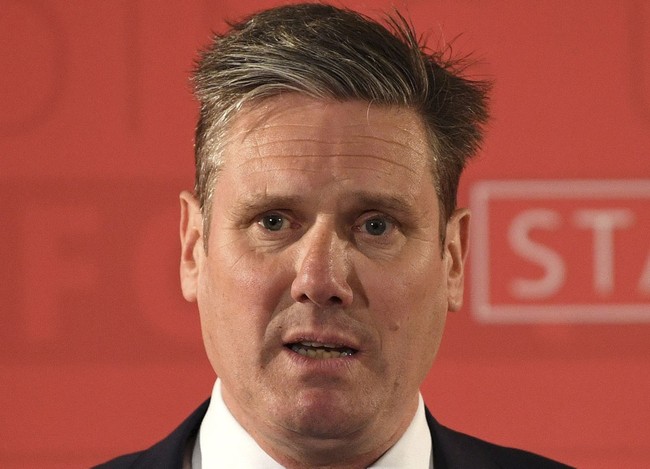
The last month has seen a string of high-profile exits from Britain’s Labour government, capped by two defence resignations on the same day that exposed a full-blown leadership crisis. Ministers left over a funding fight that, according to their letters and public remarks, risks leaving the armed forces under-resourced amid rising global threats. The departures have rippled through Parliament and thrust questions about Keir Starmer’s authority into the open. This report walks through the resignations, the key statements, and the political fallout unfolding in Westminster.
On Thursday morning, the Defence Secretary announced his resignation, saying ministers had failed to secure the money Britain needs to defend itself. Hours later, the Armed Forces Minister followed, turning a dispute over defence spending into an unmistakable sign of internal revolt. Two defence resignations in a single day signaled the crisis had reached a new level, with the department charged with national security suddenly at the center of the storm.
In a public resignation letter posted on social media, the outgoing Defence Secretary made his position clear. He blamed both the prime minister and the Treasury for refusing to commit resources while threats climb, arguing that forced cuts would harm readiness and put personnel at greater risk. His words set the tone for how the exits were framed: not as minor policy disagreements but as principled objections to choices that affect lives and national security.
“You have been unable, and the Treasury has been unwilling, to commit the resources that the nation needs to defend the country at this time of rising threats.”
“Without a DIP that meets the moment in this way, I am being forced to make decisions that would reduce the readiness of our Forces and increase the risk to personnel on operations, and could make the country less safe.”
https://x.com/JohnHealey_MP/status/2065028766540145140
The Conservative opposition seized on the resignations, arguing they exposed deeper weaknesses in Labour’s leadership. One senior Shadow figure praised the Defence Secretary for acting “honourably and in the national interest,” saying the resignations revealed a backroom battle and a prime minister too weak to make tough calls. That critique quickly shifted public attention from spending minutiae to the broader question of who controls direction inside Downing Street.
“John Healey has acted honourably and in the national interest. He has exposed the war that is going on behind the scenes. He has shown that our Prime Minister is too weak to make difficult decisions or to face down his backbenchers.”
The former shadow minister then targeted domestic spending priorities, arguing that defence had been deprived while welfare took precedence. The charge: the government is taxing and spending in a way that shortchanges security. That political framing helped turn a technical debate about the Defence Investment Plan into a broader political narrative about national priorities and leadership.
Earlier in the day, the Armed Forces Minister had signaled his unease in a televised interview, saying he would consider resignation if the forces were not given what they need. That interview, which the minister gave without top-level approval, became the tipping point. After further talks failed to resolve the dispute, he announced his departure later that afternoon.
When asked whether he was prepared to leave, the minister had said, “I need to do what is right by the armed forces, and if I don’t think that’s right, then I will absolutely consider my position.” That statement moved from warning to reality when he stepped down and posted a resignation message underscoring his decision to leave because Number 10 would not provide the support he believed necessary.
His resignation letter laid out the central complaint: Britain is being asked to confront modern threats on a budget fitted for a calmer era. He argued that political priorities had left the military without the tools to meet today’s challenges and that this imbalance compromises missions and risks. Those lines struck a chord because they framed the issue as one of national competence, not mere budgeting.
“We are asking our Armed Forces to operate in a more dangerous world on a budget written for a calmer one.”
The minister’s final line crystallized the moment and was repeated across Westminster and the media.
“A serious country funds its defence to meet the threat it actually faces, not the threat it wishes it faced.”
The resignations reverberated immediately inside Parliament, where other former ministers who had already left the government were seen reacting and sharing updates. Members of the Commons pressed for urgent statements, but the government struggled to reply as events unfolded and ministers scrambled to respond. The visible scramble underscored how sudden departures can upend day-to-day governance and complicate the usual flow of parliamentary business.
By day’s end, the government had replaced both top defence posts with officials inheriting a department in open dissent. Critics argued this pattern—seven ministerial departures in a month—shows more than routine turnover; it suggests a party grappling with internal dissent and a leadership that is losing control of its agenda. The exits included senior roles charged with national security, which only amplified the seriousness of the situation for voters and stakeholders watching from abroad.
As the political fallout continues, one phrase from the Armed Forces Minister’s resignation keeps appearing in commentary: “Number 10 will not listen.” It captured the core complaint driving these departures and painted a stark image of a government at odds with its own frontline managers. Whether this rupture will be contained or widen remains the defining question facing Labour in the coming weeks.
Editor’s Note: Do you enjoy RedState’s conservative reporting that takes on the radical left and woke media? Support our work so that we can continue to bring you the truth.



Add comment