
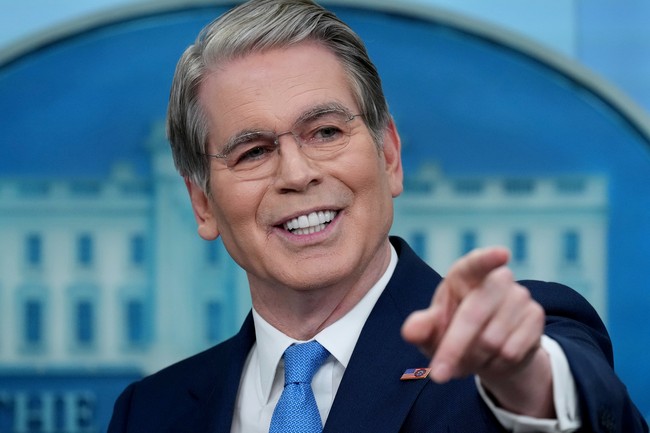
I’ll recap how Treasury Secretary Scott Bessent handled a Senate hearing with calm confidence, dismantled Ron Wyden’s accusations about Epstein files, and snapped back at Thom Tillis’ off-topic questions — all while staying focused on the budget and tax policy the committee was meant to address.
Scott Bessent walked into the Senate Finance Committee hearing composed and unflappable, and he stayed that way. He made clear he serves the American people and the President, not partisan theater, and he answered with a mix of clarity and precise force. That steady approach let him deflate political grandstanding without losing his cool or his authority.
The hearing was ostensibly about the president’s 2027 budget and tax policies, including the Working Families Tax Cuts. Chairman Mike Crapo opened proceedings, but ranking member Ron Wyden pivoted into a sweeping partisan attack that tried to tie Treasury actions to a range of conspiratorial claims. Wyden leveled accusations about the now-defunct Anti-Weaponization Fund and attempted to drag the department into a murky narrative about Epstein financial records.
Wyden demanded “an explanation” and then escalated into broader indictments about the department’s motives and conduct, creating a smokescreen far removed from fiscal policy. He claimed there was a “coverup of the massive file of Epstein financial records for a year and a half” and said the committee had been denied access, implying that Treasury was blocking investigators. Those are explosive allegations, but they did not belong in a hearing focused on budgetary priorities.
Secretary Bessent owes the committee an explanation of what the Treasury knows about the dirty settlement. That’s because his department was involved from beginning to end. Treasury was a defendant and a negotiator in the lawsuit, it was informed by IRS attorneys that Trump had no real case, and it sure looks to me like Treasury’s top lawyer quit his job in objection to the settlement.
This is an abuse of the IRS that goes way beyond anything that I have any familiarity with. My view is this committee needs to investigate this on a bipartisan basis. Blanche allegedly dropped the insurrection fund doesn’t change that.
Wyden then shifted into a broader political rant, accusing the administration of prioritizing Donald Trump over the American people and throwing around phrases meant to inflame rather than illuminate. He insisted the committee needed to “FOLLOW THE MONEY” in the Epstein matter and accused the administration of protecting criminals and slush funds at the expense of everyday Americans. That rhetoric read as opportunistic and melodramatic.
But that’s the kind of priority that apparently the Treasury Department is focusing on these days.
Even outside of economic matters the Treasury Secretary is simply out of step with the American people.
There’s no better example than the fact that there’s been a coverup of the massive file of Epstein financial records for a year and a half. This is part of the effort I’ve made, it’s the only one: To FOLLOW THE MONEY in the Epstein situation, and yet, there’s been a denial of access to the committee investigators, and lying in public about their significance. That subject alone deserves its own hearing. Senate investigators are trying to figure out who paid Epstein for girls, and unfortunately Secretary Bessent is involved in preventing that from happening.
The bottom line in this administration is the machinery of government works to the benefit of Donald Trump before all else. That’s the corrupt framework that produces insurrection slush funds, protects pedophiles, and dismisses the concerns of people who are worried about being able to make rent and feed their families.
When Wyden handed the floor back, Chairman Crapo tried to steer the session to substance, but Bessent refused to let sweeping slander go unanswered. He used his allotted time to address economic questions, then directly rebutted the personal attacks against him. His reply was sharp and personal, cutting through the theatrics with a single line that exposed the partisan motive behind the accusations.
I had hoped to keep this in terms of the economy, but Senator Wyden has mendaciously slandered the Treasury building, and in an attempt to cover up his son having an investment meeting with Jeffrey Epstein to ask for funding.
Thank you.
Wyden tried to double down with more raw rhetoric, dismissing critics and demanding facts, but Bessent kept pressing the point about accountability and personal responsibility. When Wyden called Bessent a mouthpiece for a corrupt regime and demanded answers about deals, the secretary didn’t back down. He pushed back in blunt, unmistakable terms that exposed the contradiction in Wyden’s posture.
Let’s be clear here. Nobody is interested in the ramblings of a capo in the most corrupt regime in American history. We want to get some facts about this deal. That’s what we’re here for.
Bessent then pivoted from policy to a direct accusation aimed at the heart of Wyden’s credibility, naming names and calling for answers about conversations that mattered more than the senator’s political speeches. He confronted the personal ties Wyden had raised and forced the hearing back toward concrete scrutiny instead of smear. It was an unvarnished rebuttal that landed hard.
And we would like to hear what Adam Wyden and Jeffrey Epstein talked about. Your son’s largest investment position was Rick’s Caberet. So, did your son and Jeffrey Epstein talk about pole dancing as he begged him for money using your limited credibility?
After that exchange, Chairman Crapo guided discussion back to budget topics, which is where the committee should have stayed. The session covered the Anti-Weaponization Fund and the Working Families Tax Cuts, the latter being squarely within Bessent’s remit as Treasury Secretary. Bessent answered those policy questions with the competence and focus you’d expect from someone who knows the files and the numbers inside out.
Senator Thom Tillis later offered another detour, asking whether Bessent had threatened a DNI nominee — a question untethered to the budget and plainly irrelevant to the hearing’s purpose. Tillis’ digression felt like a partisan fishing expedition, and Bessent corrected him and responded with a pointed, controlled answer. That exchange showed again how the secretary handles cheap theatrics: calmly, quickly, and with authority.
Bessent’s performance in the hearing was a study in steady leadership under pressure. He defended the Treasury’s work, rebuked baseless personal attacks, and returned the focus to fiscal policy where it belongs. In doing so he exposed how some senators prefer spectacle to substance, and he made sure the American people’s business didn’t get lost in the noise.
https://x.com/townhallcom/status/2062232018239328450?ref_src=twsrc%5Etfw



Add comment