
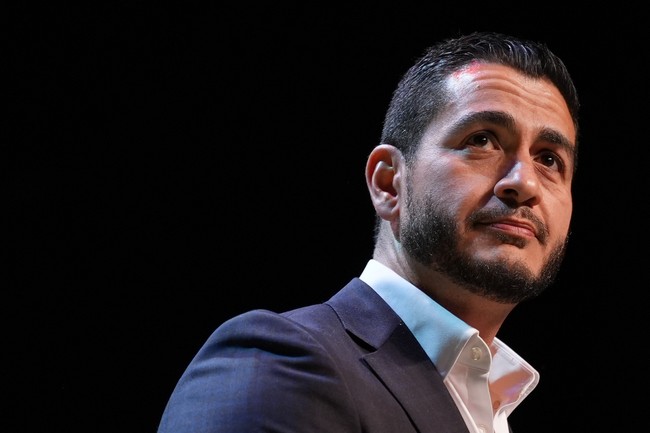
Michigan Democratic Senate nominee Abdul El-Sayed faces renewed scrutiny after federal campaign records show more than $115,000 from at least 41 donors linked to the Council on American-Islamic Relations, raising hard questions about his judgment, associations, and what those relationships mean for national security heading into a high-stakes general election matchup.
El-Sayed’s campaign filings list donations totaling more than $115,000 from people who currently work for, previously worked for, or held leadership roles at CAIR. Those contributions include names tied to CAIR leadership and a close family connection that now sits at the center of the controversy.
The donor roster reportedly includes senior CAIR figures and a key entry is Jukaku Tayeb, El-Sayed’s father-in-law, who serves in leadership roles with organizations critics say have troubling ties. Critics point out that Tayeb has also been a major financial backer of a super PAC supporting El-Sayed, which amplifies concerns about influence and access.
The campaign-finance disclosure itself does not claim any illegal activity by El-Sayed or CAIR, but it does sharpen political and national-security questions that Rogers’ campaign will likely use. From a Republican perspective, voters deserve clear answers on why senior officials and board members tied to CAIR helped bankroll the campaign and what influence that funding buys.
Federal prosecutors once named CAIR as an unindicted co-conspirator in the 2007 Holy Land Foundation terrorism-financing prosecution, and some foreign and state actors have designated the group as linked to extremist organizations. CAIR has repeatedly denied supporting terrorism and has issued statements condemning attacks on civilians and antisemitism, but the historical record keeps these connections politically relevant.
At a Senate Judiciary subcommittee hearing on the Muslim Brotherhood’s U.S. network, counterterrorism analyst Kyle Shideler was asked directly whether El-Sayed’s candidacy raised concerns. He pointed to familial and organizational ties and to specific roles held by Tayeb in groups that investigators and observers have flagged as part of broader ideological networks.
“Yes, sir, it does. To begin with, I look at the connections that his father-in-law has to Brotherhood-linked groups. This includes being the president one time of [CAIR-Michigan], also his presence on the Islamic Society of North America founders committee.”
Sen. Ted Cruz highlighted testimony that the Muslim Brotherhood partners with the Democratic Socialists of America, a claim Shideler echoed in his remarks. Shideler also testified that the Islamic Society of North America remains part of what he described as the Brotherhood’s U.S. network and cited old court documents as evidence of restored influence within that organization.
Shideler raised additional concerns about El-Sayed’s association with Emgage, describing the group as closely connected to CAIR and pointing to its leadership and origins as reasons for scrutiny. In the Republican view, those ties are not trivial when a Senate nominee could be making national-security decisions that affect Americans’ safety.
One donor named in the finance review was CAIR National Executive Director Nihad Awad, whose past statements drew widespread condemnation after October 7, 2023. Awad’s comments and subsequent clarifications remain part of the public record, and critics use that history to question judgment when those same figures support a major-party Senate candidate.
https://x.com/tedcruz/status/2085088877858189425
El-Sayed has appeared at CAIR events before and accepted paid speaking engagements where he criticized state-level measures, which further illustrate the overlap of advocacy, policy views, and his campaign activities. Those appearances, paired with the donor list, complicate any simple explanation of political alignment or voter outreach.
Leaked campaign audio amplified concerns about El-Sayed’s foreign-policy instincts and messaging, with commentators noting moments where he hesitated to take a clear stance, allegedly due to worries about offending parts of his base. Critics argue that such hesitation is exactly the kind of indecision voters should weigh when national-security issues are at stake.
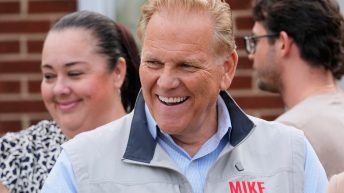
Former congressman Mike Rogers, the Republican nominee backed by national security credentials, has already signaled he will make these associations a central issue in November. Rogers contrasts his military and intelligence experience with El-Sayed’s donor relationships, arguing that voters deserve clarity on whom a senator will side with when interests collide.
As the general election approaches, the critical questions for El-Sayed are straightforward: why did senior CAIR officials and board members donate more than $115,000 to his campaign, how do his family ties intersect with organizations described by witnesses as linked to the Brotherhood, and what does that mean for his judgment on security matters?
Add comment