
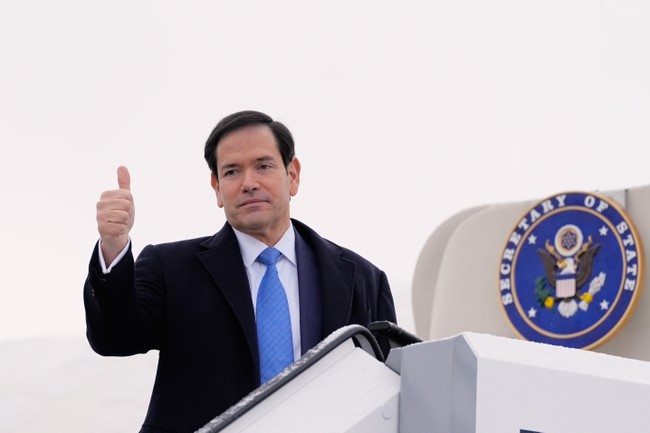
The State Department under Secretary of State Marco Rubio has cracked down on Uzbekistan-based visa facilitators who allegedly coordinated transportation for migrants bound for the United States, including minors, and officials are now using visa restrictions to disrupt those networks. The move follows investigations that traced coordinated travel through airports and Central America, and it represents a targeted foreign-policy effort to choke off human smuggling routes before they reach our border. This article outlines what happened, why the State Department acted, the findings from the investigations, and what these restrictions mean for future enforcement.
The story landed amid broader national debates, but the action itself is narrow and practical: impose visa restrictions on executives of companies found to be knowingly facilitating illegal migration. The State Department identified specific Uzbekistan-based businesses and individuals involved in arranging travel paths designed for people intending to enter the United States unlawfully. Those actions are meant to interrupt a transnational pipeline that moved people through airports and transit points in Central America.
Investigators documented coordination that reached beyond simple ticket sales, showing organized assistance that funneled migrants, including children, toward routes used by smugglers. The targets were senior executives at two Uzbekistan-based visa facilitation firms found to be operating travel services primarily for aliens intending to illegally immigrate to the United States. By focusing on company leaders, Washington hopes to break up the managerial networks that enable these schemes.
The State Department framed the response as a cooperative effort with Uzbekistan’s government to close down criminal networks that profit from human smuggling. That cooperation, officials say, is essential to protecting national security and curbing flows of illegal migration before those flows reach our soil. The measures are part of a larger posture that uses diplomatic tools, like visa restrictions, to impose consequences for complicit behavior abroad.
The Trump administration’s State Department is imposing a series of visa restrictions on “executives at Uzbekistan-based companies who knowingly facilitated illegal immigration to the United States by coordinating transportation for illegal immigrants, including minors, through Central America,” the Washington Reporter can exclusively confirm.
“The Government of Uzbekistan’s close cooperation in shutting down these criminal networks is vital to our shared commitment to combating human smuggling and protecting our national security,” a State Department official told the Reporter.
The move, a foreign policy expert told the Reporter, is part of the Trump administration’s moves to “Make Visa Restrictions Great Again,” and it specifically targets senior executives at two Uzbekistan-based visa facilitation companies who the State Department found to have “knowingly provided travel services designed primarily for aliens intending to illegally immigrate to the United States.”
These investigations found coordination that extended to routing people through airports and border crossings en route to transit hubs in Central America. At those transit points, many migrants were later encountered attempting illegal entry into the United States, according to the same findings. That pattern underlines how far these networks will reach to exploit gaps in enforcement and transit systems.
Critics will call the move symbolic, and enforcement often looks like chasing moles: shut one network down, another pops up. But targeting the executives who profit and manage these operations changes the calculus for organizers and raises the risks of continued activity. If leaders face visa bans and diplomatic isolation, the business model for large-scale smuggling becomes far less attractive.
These measures taken came following State Department investigations that found that Uzbekistani businesses and individuals “actively coordinated transportation for aliens, including minors, intending to illegally immigrate to the United States through airports and across borders to transit points in Central America, where many were later encountered attempting to enter the United States illegally.”
Uzbekistan is not the only country where smugglers and visa facilitators operate, but it was identified in this round of actions for a clear pattern of facilitation. The broader lesson is diplomatic: use targeted tools to disrupt criminal transit networks before migrants are put into the hands of smugglers closer to the U.S. border. That approach conserves enforcement resources and hits the supply side of illegal migration.
Political commentators will argue over tone and credit, but the operational fact is straightforward: visa restrictions are an effective diplomatic lever when applied to people who knowingly assist illegal migration. With firm follow-through and international cooperation, these kinds of measures can reduce the volume of orchestrated flows and make it harder for smugglers to operate with impunity.
There’s still work to do; this is not a single fix that ends every scheme. The State Department can now look for similar operations and apply the same pressure elsewhere, forcing traffickers and facilitators to choose between following the law or losing access to international travel and business. The endgame is to protect borders by stopping exploitation and punishing those who profit from it.



Add comment