
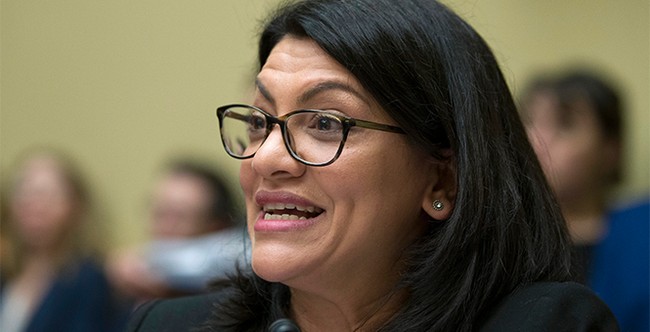
This article examines Rep. Rashida Tlaib’s recent social post about the 2014 Michael Brown shooting, contrasts it with the Obama Justice Department’s findings, and highlights how reality and X’s Community Notes pushed back against the claim while noting the wider media role in shaping narratives.
The 2014 shooting of Michael Brown in Ferguson reshaped national conversations about policing and protest, and the episode still reverberates in political messaging today. On the anniversary, Rep. Rashida Tlaib posted a strong statement calling the episode a murder and used it to underline broad claims about white supremacy and police violence. That post reopened old wounds and sparked a swift rebuttal from critics who point to official investigations. Conservatives see this as yet another example of political actors using tragedies to score points and stoke division.
Tlaib’s message was short, emotional, and aimed to mobilize. She wrote, “Mike Brown should still be with us today. But 12 years ago this week, he was murdered by a police officer in Ferguson. Our fight for justice and an end to white supremacy, police violence, and mass incarceration continues. Black lives matter.” That quote landed on social platforms where Community Notes and others pushed back with documentation. For Republicans, the important issue is whether elected officials base such claims on facts or on a narrative that furthers a political agenda.
https://x.com/RepRashida/status/2088419146883121568
Mike Brown should still be with us today.
But 12 years ago this week, he was murdered by a police officer in Ferguson. Our fight for justice and an end to white supremacy, police violence, and mass incarceration continues.
Black lives matter.
Analysts pointed to the Obama Justice Department’s review, which looked deeply into both criminal and civil aspects of the case. The DOJ concluded that evidence did not support the “hands up, don’t shoot” version that became a centerpiece of early outrage. That official finding matters because it came after an extensive investigation with access to forensic evidence, witness interviews, and legal analysis. From a conservative standpoint, citing those results matters when public officials keep repeating a contested narrative.
The DOJ’s summary was blunt and widely reported at the time. It said Michael Brown attacked Officer Wilson, struggled for his firearm, and charged at him, and that the physical evidence contradicted the “hands up, don’t shoot” account. Investigators found that self-defense justified the shooting and that no federal charges were warranted. Those findings undermined the most incendiary claims and altered how many people, including legal observers, viewed the incident.
Obama’s DOJ found Michael Brown attacked Officer Wilson, struggled over his gun, and charged at him. Physical evidence contradicted “hands up, don’t shoot.” Self-defense justified the shooting. It was not a murder, and there were no federal charges or indictment.
Community Notes on X highlighted those DOJ conclusions in response to Tlaib’s post, and the pushback spread quickly across conservative feeds. Many commenters framed the event as an example of how a narrative can take hold and fuel protests and riots long after evidence has been examined. Conservatives argue that political actors who perpetuate debunked claims contribute to mistrust and social tension rather than offering constructive solutions.
People also dug up archival coverage to show how media framing amplified the “hands up” story early on, and that amplification played a major role in shaping public perception. Critics on the right say media bias isn’t accidental; it’s part of a pattern where outlets select and promote narratives that fit a preferred political lens. That tactic, Republicans contend, turns legitimate concerns about policing into sustained political ammunition rather than avenues for reform based on facts.
The long-term effects of the Ferguson story include policy debates, activism, and political theater. When a member of Congress repeats a contested version of events, it reignites those debates and forces people to choose between emotional solidarity and adherence to documented findings. Conservatives insist that honest, evidence-based discussion is the only way to achieve reforms that protect both communities and law enforcement.
At stake is more than a single tweet or post; it’s the integrity of public discourse and how elected officials use history in service of present-day politics. Repeating a narrative that official investigations concluded was inaccurate undermines trust in institutions and in political leadership itself. For Republican commentators, the Ferguson aftermath should be a cautionary tale about mixing advocacy with selective facts.


Add comment