
This piece examines a new national poll showing Americans increasingly see a divide not primarily along race or gender but between those with wealth and those without, explores voices from across the political spectrum, and considers how left-wing rhetoric about billionaires and class has crept into mainstream politics as we head into a pivotal election year.
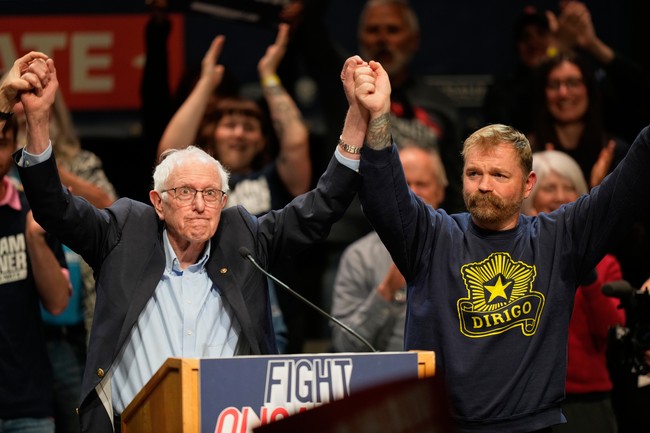
Bernie Sanders once stood out for labeling himself a Democratic Socialist, and that bluntness forced a national conversation about class and wealth. What once shocked is now one thread in a wider tapestry: the discussion about economic division has grown louder and more common. Many voters still point to race and gender as sources of tension, but an emerging fault line centers on the haves and have-nots and how Americans perceive fairness and opportunity.
https://x.com/thewriterme/status/2067963851757301884
Recent polling finds a surprising mix of views about national unity and values, with 54 percent saying most Americans share the same core values while 44 percent think Americans have inherently different values. Those numbers reflect a country that still sees common ground, yet notices deep strains. The debate about whether wealth creates separate worlds keeps bubbling up in conversations from kitchen tables to campus protests.
Voices across the political map voiced familiar themes: a 30-year-old Democrat observed, “We live in completely different worlds.” A 47-year-old independent argued the wealthy “don’t have empathy right now because they’re not suffering how other people are suffering.” At the same time, some respondents pushed back against a purely antagonistic reading of wealth, insisting shared rights and opportunities matter. A 56-year-old Republican put it plainly: “There is a huge divide. But you know, everybody’s still Americans. We all have the same rights. We all have the same opportunities.”
Another respondent cut through the rhetoric with a candid take on responsibility and opportunity: “I’m far from wealthy, but there’s no difference between me and the guy that owns the company that I work for. I have the same work ethic; he just had better opportunities, and he took them. When I had those opportunities, I didn’t take them.” That perspective captures a view common among conservative-leaning voters who believe culture, choices, and opportunity, not envy, should guide policy debates.
The poll also explored perceptions of power and justice. A clear majority, 82 percent, said ordinary Americans have more in common with each other than with those who wield significant power. Even stronger was the sense that wealth affects legal outcomes: 86 percent said wealthy people can often pay their way out of consequences. Those figures show deep skepticism about elite accountability and fuel populist appeals on both left and right.
When asked what should be done, answers ranged from calls for higher taxes on billionaires to proposals for better schools and stronger local institutions. One 30-year-old Democrat proposed, “Tax people, billionaires at the very least.” Some Republicans argued the answer lies in reforming public education, and others warned against expecting the government to solve everything, saying, “You just can’t expect the government to fix that.” These responses reflect long-standing partisan divides about fiscal policy and the role of government in leveling the playing field.
Meanwhile, left-wing politicians and activists have pressed a sustained narrative that vilifies the wealthy, arguing concentration of wealth signals systemic injustice. That drumbeat has been amplified by newer voices in Democratic primaries and by social media campaigns aimed at high-profile figures. The message lands differently depending on voters’ lived experiences and their views on personal responsibility versus systemic reform.
Political actors have noticed the traction of this theme and pushed it into campaign messaging. One recent post captured the tone perfectly: “Elon Musk just became the world’s first trillionaire. Let’s make sure he’s also the last.” That kind of language is meant to stoke outrage and drive mobilization, especially when families are feeling economic pressure and credit worries are rising. It also highlights a strategic choice by the left to lean into class-based appeals rather than older identity-based frames.
From a Republican standpoint, the challenge is twofold: acknowledge real frustrations about fairness and opportunity while offering policies that expand economic mobility without embracing punitive taxes or broad demonization. Voters who feel left behind want solutions that restore trust in institutions and reward hard work, not rhetoric that reduces complex problems to simple enemies. As the campaign season intensifies, messaging around wealth and fairness will be decisive for persuading undecided voters concerned about pocketbook issues.
Whether this class-focused argument reshapes elections depends on which messages voters find convincing: those promising more opportunity and accountability, or those promising retribution against successful people. The political fight over that answer is already underway and will play out in debates, ads, and local races across the country.

Add comment