
The U.S. has launched “Operation Economic Outcast,” a coordinated push by the State Department, Treasury, and Defense to choke off Iran’s financial lifelines, sanction those who help the regime, and even offer major rewards for information on key IRGC leaders. The effort focuses on procurement networks, cyber activities, petroleum and petrochemical trade, and the shadowy ship operators that move revenue to Tehran. Officials have already designated nearly 60 entities, individuals, and vessels for sanctions, and the State Department has listed a set of Iran-based organizations and people tied to targeting and procurement. This article lays out who was named, what they are accused of, and the big incentive now on the table for tips leading to key IRGC figures.
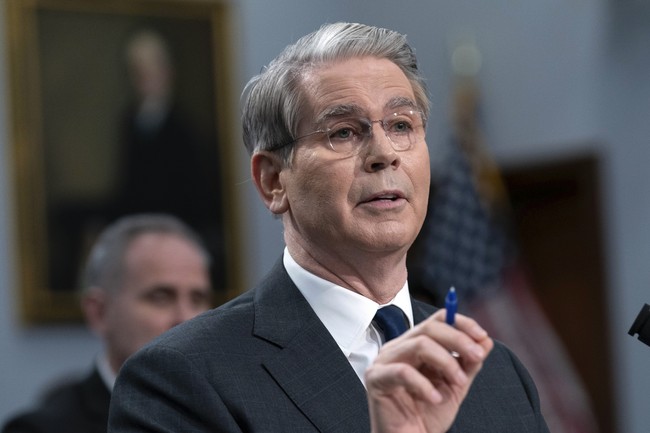
The new campaign grew out of a three-pronged approach led by Treasury Secretary Scott Bessent and his counterparts in State and Defense. The goal is blunt: deprive the regime of the means to fund its malign activities by disrupting procurement, cyber support, and the oil and petrochemical networks that prop up Tehran. From Washington’s point of view, squeezing those revenue streams is meant to reduce Iran’s ability to threaten U.S. forces and regional partners.
Officials say the initial round of sanctions targets nearly 60 actors who allegedly enabled Iran’s illicit procurement, cyber operations, or petroleum and petrochemical revenue generation. The designations are not just symbolic; they aim to cut off intermediaries, shell companies, and vessel managers who let Tehran sell product through opaque channels. The focus on the so-called “dark fleet” highlights how shipping deception and third-party intermediaries have let Iran keep cash flowing despite sanctions.
The State Department named two Iran-based entities accused of procuring sensitive imagery used to support targeting of U.S. service members and allied facilities. Those entities are described as having provided information that assisted Iran’s military targeting during a past operation. Public listings like these are intended to expose networks and warn international partners that doing business with these actors risks U.S. sanctions and reputational harm.
DADENEGAR STARTUP STUDIO (DADENEGAR) supported targeting of U.S. and partner facilities in the Middle East for the Iranian military during Operation Epic Fury. [….]
IRANIAN ISLAMIC REVOLUTIONARY GUARD CORPS CYBER-ELECTRONIC COMMAND (IRGC-CEC) obtained information related to U.S. military assets and facilities that supported Iran’s military targeting during Operation Epic Fury.
Beyond entities, the list includes seven individuals the U.S. says played roles in Iran’s military activity, procurement, and partnerships that undermine sanctions. The named people range from current and former officials to commanders tied to the IRGC’s conventional and aerospace forces. Naming them publicly increases pressure, isolates them internationally, and signals that Washington is willing to escalate beyond routine diplomatic warnings.
MOHAMMAD BAQER ZOLQADR (ZOLQADR) was the Secretary of the Supreme National Security Council [….]
ALI ABDOLLAHI (ABDOLLAHI) is the commander of Khatam ol Anbia Central Headquarters, a U.S.-sanctioned Iranian government entity responsible for joint and wartime operations. [….]
AHMAD VAHIDI (VAHIDI) is the Commander-in-Chief of the IRGC [….]
SAYYED HOSEIN MAJID MUSAVI EFTEKHARI (EFTEKHARI) is the Commander of the IRGC Aerospace Force, the entity responsible for the IRGC’s unmanned aerial vehicle (UAV) program. [….]
SEYYED MAHDI FARAHI (FARAHI) is the Deputy Defense Minister for Industrial and Research Affairs at MODAFL (Ministry of Defense and Support for Armed Forces and Logistics)
AMIR HATAMI (HATAMI) is the Commander of the Artesh, Iran’s conventional military.
REZA TALAEI-NIK (TALAEI-NIK) is the spokesperson for Iran’s Ministry of Defense and Armed Forces Logistics.
Those named are described as central players in procurement, targeting, and force structuring. The U.S. alleges some directed conventional strikes or coordinated procurement for weapons and targeting capabilities. By exposing leaders across military branches and support ministries, the operation aims to make it harder for Tehran to hide activity inside civil or commercial covers.
State officials also emphasized sanctions on multiple companies they say facilitate illicit trade in Iranian petroleum and petrochemical products. The goal is to disrupt the shell companies, brokers, and logistics chains that move product through third countries and onto the global market. Officials used stark language about the danger posed by deceptive shipping practices and the shadow fleet that has kept millions flowing to Tehran.
Iran’s exports of petroleum, petroleum products, and petrochemical products are facilitated by shell companies and intermediaries in third countries. These Iranian petroleum, petroleum products, and petrochemical cargos are frequently transported by shadow fleet operators, including vessel management companies that regularly engage in dark activity and other deceptive shipping practices, endangering other vessels and trade flows. Finally, import and logistics companies, such as customs brokers and port agents, facilitate the entry of Iranian- origin commodities through customs on behalf of buyers in third countries. Today’s action targets all the nodes of this illicit trade, and promotes accountability for the buyers, sellers, intermediaries, and service providers that help facilitate Iran’s destabilizing activities.
Sanctions are one lever. The U.S. is also offering a $10 million reward for information leading to key IRGC leaders, including Ahmed Vahidi and Ali Abdollahi. That kind of cash incentive is intended to pry loose human intelligence and tips from inside networks or from people who have contacts with sanctioned actors. For policymakers who want consequences, pairing financial penalties with rewards is a hard-nosed way to raise the cost of supporting Tehran’s destabilizing behavior.
Operation Economic Outcast is a clear attempt to tackle Iran’s finances and procurement chains in a comprehensive way. From targeting cyber and procurement units to tracing the shadow fleet and exposing senior figures, the administration is signaling it will take multiple steps to limit Tehran’s reach. The coming weeks and months should show whether these designations and incentives actually fracture the networks that have sustained the regime’s regional operations.


Add comment