
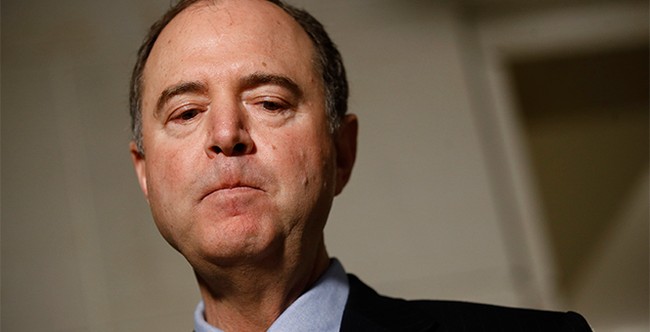
This piece recounts how Sen. Adam Schiff criticized a presidential appearance at an IndyCar event in Washington, D.C., and was corrected by driver Graham Rahal, who said the race was privately funded, while the White House and online commenters piled on Schiff for getting facts wrong.
Senator Adam Schiff took to social media to complain about President Trump’s presence at the Freedom 250 IndyCar race in Washington, D.C., casting the event as an inappropriate use of public spectacle. The senator’s post framed the president’s participation as tone-deaf and costly, and it quickly grabbed attention from both critics and supporters. That was the setup for a swift public rebuttal from someone who actually knows the sport and the logistics. The response that followed made clear this wasn’t just partisan sniping; it was a factual correction aimed squarely at the senator’s claim.
Graham Rahal, an IndyCar driver and son of motorsports figure Bobby Rahal, jumped into the conversation with blunt facts that undercut Schiff’s complaint. Rahal explained that the Penske Corporation covered nearly all the costs for the event, leaving only security expenses to be handled publicly. In short, the major expense came from private sponsors, not taxpayers, which directly contradicted the senator’s implication. That detail shifted the argument from a moral critique of a presidential appearance to a simple matter of who paid what.
The reaction from fans and observers was immediate and unmistakable, with social accounts pointing out the gap between Schiff’s criticism and the real funding behind the event. Many noted that the race drew thousands of visitors into the city, producing economic activity for museums, restaurants, and local attractions. Supporters argued the event showcased American history and patriotism while introducing new visitors to Washington’s landmarks. That narrative emphasized positive outcomes rather than the supposed impropriety Schiff described.
Rahal’s fuller response spelled out the benefits he saw: the event was an opportunity for fans to celebrate and learn while bringing money into the local economy. He highlighted that people from across the political spectrum attended and enjoyed the pageantry and racing, and that many experienced the nation’s capital for the first time. That point about economic impact resonated with those who favor private investment and public benefit working together. For critics of Washington elites, it was a satisfying rebuke to a predictable political attack.
https://x.com/SenAdamSchiff/status/2091607145892495491
The White House also responded sharply, framing Schiff’s comments as part of a pattern of attacks and misstatements. A spokesman called the senator out by name and accused him of needlessly trashing a national celebration. The tone from the administration was pointed and unapologetic, reflecting a broader divide over how patriotic events are portrayed by different sides. Political disputes like this one tend to amplify quickly, and both supporters and detractors used the opportunity to press their cases online.
Internet reaction ranged from amusement to scorn, with many users criticizing Schiff for not checking the facts before posting. Threads and replies piled up showing how fast a single post from a senator can be corrected by someone directly involved. That dynamic underscored a new reality of modern politics: subject-matter experts and participants can publicly fact-check lawmakers in real time. For many observers, that was the most interesting element of the whole exchange.
On the track itself, Rahal put in a solid performance, at one point running near the front before finishing in 13th place. Watching skilled drivers race through a city course gave fans a memorable spectacle that combined speed, skill, and national pageantry. Race organizers and participants touted the crowd’s enthusiasm and the event’s broad appeal, pointing to merchandise sales, concessions, and stadium activity as signs of success. That practical evidence of impact helped drive home Rahal’s main point about private funding and public benefit.
A quoted statement in the discussion captured the tenor of Rahal’s stance and the event’s defenders: “No, no, Adam. He wanted you to notice and bask in the pride of being AMERICAN, watch great racing and patriotism on display. Not only that, this was privately funded, not government although it drove thousands of folks to the DC area that have never been (that’s economic impact for you). It allowed folks who have never been to see museums, monuments, the White House and AMERICAN history for the first time as well. And guess what, hundreds of thousands of AMERICANS, blue & red, as well as fans from all over the world loved the #Freedom250! 🇺🇸” That message spoke both to the event’s logistical reality and its patriotic framing.
For those watching from a distance, the episode was another example of how public figures can be checked by people with direct knowledge. When a senator makes a claim about costs or public spending, it matters to voters whether those claims hold up to scrutiny. This incident highlights the importance of getting basic facts right before sounding the alarm, especially on matters that touch on national celebration and private enterprise. The exchange left many asking why a simple verification step wasn’t taken before a public rebuke.
In the end, the back-and-forth between a senator and a driver showcased the clash between political posturing and on-the-ground reality. It also demonstrated how fast corrective information can spread in today’s media environment, particularly when experts and participants speak up. The debate didn’t change everyone’s mind, but it did refocus attention on funding, economic impact, and the value of verifying claims before slamming an event that clearly excited and entertained many Americans.

Add comment