
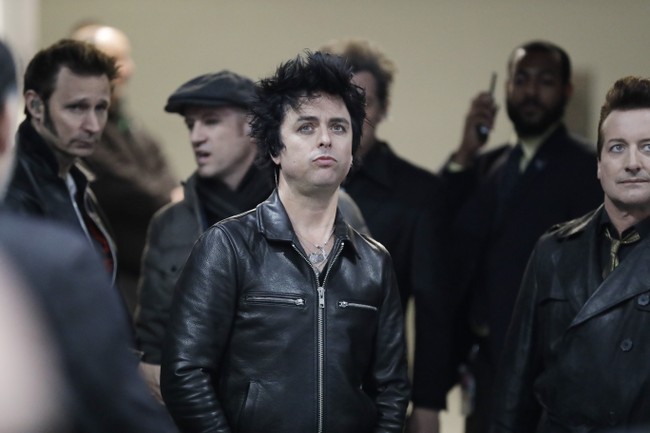
This piece argues the NFL misstepped by turning the Super Bowl’s opening and halftime moments into political theater instead of sticking to the game, criticizing recent performer choices and warning that alienating fans over politics undermines the shared experience millions look forward to each year.
Americans have cheered, groaned, and debated Super Bowl musical acts for nearly 60 years, from controversial moments like Janet Jackson and Justin Timberlake to classics such as Prince’s iconic set. The halftime stage is one of the few national traditions that brings people together for football, food, and a spectacle, but when organizers pick performers steeped in political signaling, it changes the tone. Many fans tune in for the sport and company, not a lecture from the stage.
The NFL has drifted into political messaging before, adopting slogans that followed major national events and plastering mottos on helmets during playoff games. Those moves turned a sports product into a platform for social statements, and not all fans appreciated the pivot. Sports leagues can make money and reach culture, but there’s a growing sense among viewers that the field should focus on the competition rather than sermonizing.
Recent performer selections have inflamed that sentiment. A halftime hosting choice drew backlash, and the league compounded the controversy by adding Green Day to the game-time opening festivities. That band’s political history and vocal opposition to certain political figures make them a flashpoint for fans who want entertainment, not agitprop. People who already feel the league has lost its way saw this as another sign the NFL prioritizes messaging over unity.
I’ll admit some Green Day songs are energetic and catchy — tunes like “When I Come Around” and “Holiday” deliver power chords and sing-along hooks that work in a stadium setting. Musically, those tracks can engage a crowd that enjoys that brand of rock. But song quality alone doesn’t erase the larger context of an artist repeatedly using major stages to promote a political agenda.
Their track record of pointed social commentary is extensive and well known, and that style of activism is precisely what many viewers say they do not want at a family-focused national event. The concern is not about censoring artists but about preserving a space where people with different beliefs can come together without being targeted by partisan performance. When entertainers repeatedly use such platforms to attack political figures and voters, it becomes a deliberate choice by organizers that carries consequences.
[Lead singer] Billie Joe Armstrong, though, has spent a lot of time attacking Trump and his voters — many of whom are NFL fans.
To name just a few examples of activism by Green Day and Armstrong, in April, Armstrong changed the lyrics of the band’s hit “Jesus of Suburbia” sung at Coachella to support the Palestinians and the terror group Hamas.
Before that, the rocker compared Trump to Adolf Hitler in the run-up to the 2016 presidential election. Then he called for Trump’s impeachment in 2018 in response to a Trump tweet attacking Kim Jong Un.
In November 2016, during a performance at the American Music Awards, Green Day chanted “No Trump, no KKK, no fascist USA!” from the stage.
Armstrong also stirred controversy last year by exclaiming “f*** America” before adding he was “renouncing his citizenship” in the aftermath of the Supreme Court’s reversal of Roe v. Wade. That incident led to his music being banned by several radio stations.
Critics argue the NFL’s choices send a message to a broad swath of its audience: your beliefs are secondary. Even if the league remains financially solid and ratings stay high, alienation has a cultural cost that isn’t measured solely in dollars. A portion of fans may opt out of watching the musical segments or seek alternative programming that aligns with their tastes, and that shift matters to the brand’s relationship with its core audience.
There’s also a practical worry: what happens if performers go further off-script? If a headliner uses the live Super Bowl platform to deliver extended political attacks, it could overshadow the game itself and generate fallout that affects the league’s reputation. Fans tuning in for the athletic showcase will resent having the spectacle turned into a political rally on national television.
Some will dismiss these concerns as overblown and say artists should be free to speak, and that’s a fair point in its place. The counterpoint is that event producers make choices about who represents their brand at a unifying national moment, and those choices reflect priorities. When the priority shifts toward guests known for antagonistic rhetoric, it’s understandable that many fans will feel dealt with disrespectfully.
Ultimately, the decision landed with league leadership, and those leaders will have to live with the fallout if viewers respond by tuning out or by voicing their displeasure loudly. The Super Bowl remains a huge cultural draw, but every high-profile choice nudges its identity one way or the other. It’s on the NFL to decide whether it wants to be remembered for football first or for turning its largest stage into another battleground for cultural fights.

I just came across this amazing way to earn $6,000-$8,000 a m0nth 0nline! No selling, no struggle—just a simple system that anyone can follow. Kelly Richards did it, and so can you! Don’t miss out on this life-changing 0pportunity. check it out by Limited time only – grab it before it’s gone!” .
Here is I started_______ PayAtHome1.Com