
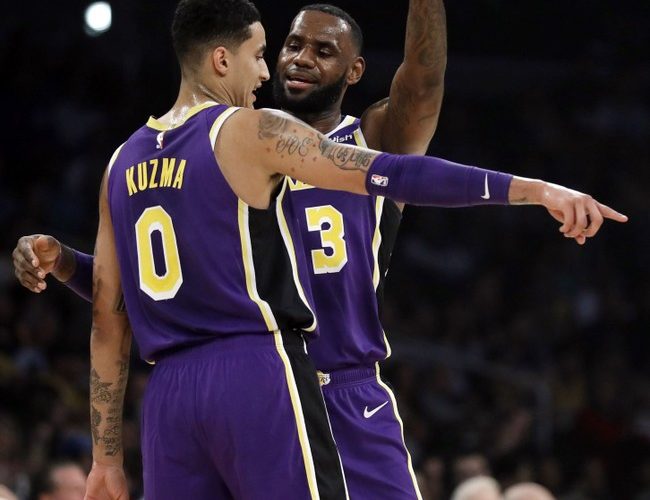
This piece looks at Kyle Kuzma’s public response to New York City Mayor Zohran Mamdani, the backlash he faced from the left, and the hypocrisy exposed when politicians and activists selectively tell athletes when to speak up.
Kyle Kuzma, a former NBA champion, drew attention by quote-tweeting a performance by New York City Mayor Zohran Mamdani that branded Israeli Prime Minister Benjamin Netanyahu a “war criminal.” Kuzma didn’t launch into a policy takedown or a moral sermon; he called Mamdani out as someone performing beyond his authority and sensibility. The exchange quickly became a flashpoint, with reactions revealing who gets to speak and when.
Kuzma called the mayor “cosplaying” as a leader and mocked the theatrical quality of the mayor’s stunt. “People cosplaying as things they don’t have the authority, the talent, or the track record to actually be. Just for content,” he said. “A mayor playing president.”
He expanded the critique to the social media era’s obsession with appearances over substance, warning that many chase the illusion of having done something rather than the actual work. “We’re raising a generation that (learns) the reward isn’t in doing the thing, it’s in looking like you did the thing. The clip is the career. The pose is the product. The soundbite is the substitute for a life’s work,” he concluded. “Don’t fall for distractions.”
The reaction from parts of the left was immediate and harsh, and it revealed a double standard. People who once defended protest and athlete speech suddenly insisted Kuzma should “shut up and dribble” because his words didn’t align with their preferred narrative. That flip from supporting athlete voices to silencing one when they disagree is telling.
Some replies aimed to humiliate Kuzma rather than engage with his argument, attacking his intelligence or basketball skills. One critic sneered, “You cosplaying as an intellectual. I would tell you to shut up and dribble, but we know you can barely do that,” while another shot back, “And you’re cosplaying as a basketball player,” adding layers of insult about identity and fandom in the mix.
Kuzma didn’t just take the hits silently; he fired back at critics and even told one detractor that if they disliked the administration they could “move to a different country.” He has a point about being authentic and honest in public discourse, especially when many public figures trade on performance rather than accountability.
https://x.com/kylekuzma/status/2081410969356419322
The episode also puts a spotlight on selective outrage around athletes speaking out. LeBron James once drew scorn and created the “shut up and dribble” counterculture when he criticized President Trump, yet similar voices on the left now weaponize the phrase against someone from within their broader camp. That inconsistency undermines claims of principled defense of free expression.
LeBron’s past political posturing and public alliances only reinforce the sense that athlete speech is judged by content, not by principle. The same players and outlets that cheered when statements fit their agenda are quick to turn on those who deviate. That kind of tribalism makes honest conversation impossible and rewards grandstanding over steady contribution.
Kuzma’s standing as a champion gives weight to his voice even if he isn’t the league’s loudest political commentator. Winning an NBA title means he has credibility on the court, and his broader point about authenticity and performance culture resonates beyond sports. Calling out political theater doesn’t require perfect political alignment; it requires basic common sense about accountability.
Meanwhile, the online mob’s reflex to shame, parody, and cancel anyone who steps out of line shows how fragile free speech has become in practice. Attacking a player for pointing out theatrical politics while celebrating other athletes who do the same when convenient is not debate; it is selective censorship. That trend corrodes public trust and reduces political life to performative moments.
That’s why Kuzma’s comments matter: they expose a truth many would rather ignore. Public figures and elected officials are increasingly judged by their ability to generate viral moments instead of actual achievements. Calling that out makes some people uncomfortable, and their immediate response is to shout down the messenger rather than address the message.


Add comment