
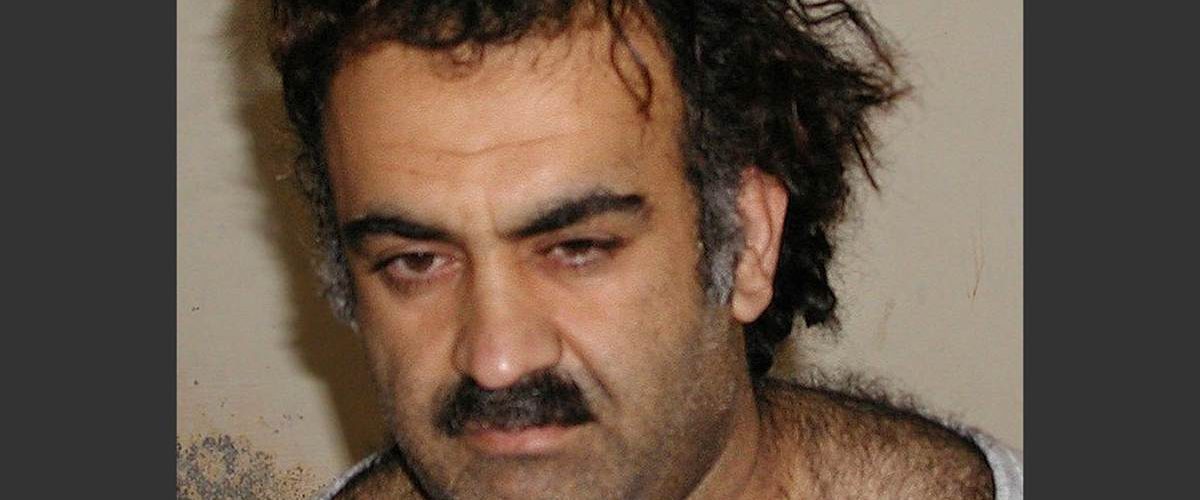
The military judge has set a trial date for Khalid Sheikh Mohammed and three co-defendants in the 9/11 case, a development that finally moves the long-delayed prosecution closer to courtroom resolution while underscoring how years of legal maneuvering, appeals and controversy have stretched justice beyond reason.
As we approach the 25th anniversary of the 9/11 attacks, a judge’s order scheduling a trial for the alleged masterminds is a notable milestone that many thought would never arrive. The case has been punctuated by repeated delays, changes of judges, and complex legal fights over evidence and detention conditions. Republicans have long argued that dragging the case out dishonors the victims and weakens deterrence, and this new timeline fuels both relief and impatience.
The judge’s order sets a provisional start date of June 5, 2028, contingent on a series of pretrial milestones being met. That schedule replaces a previously proposed early 2027 start that prosecutors themselves had acknowledged as unrealistic. Setting a firm date now forces both sides to confront deadlines and removes some of the fog that has long clouded the case.
Defense teams have used every procedural avenue available to them, challenging everything from the admissibility of statements to questions about treatment in detention. The litigation around confessions and alleged torture has been central, and higher courts will need to resolve those appeals before the trial on the merits can proceed. For families of the victims who waited decades for closure, each legal loop feels like another postponement of accountability.
Embedded in the judge’s timetable is the expectation that a military appeals court will decide on earlier rulings about suppressed confessions, particularly in the case of Ammar al-Baluchi. That outcome will shape what evidence can be used at trial and may determine how the government proceeds overall. A clear appellate resolution would remove one of the biggest obstacles to moving forward with a public, live trial.
The defendants named to face trial along with Khalid Sheikh Mohammed are Ammar al-Baluchi, Walid bin Attash, and Mustafa Ahmed al-Hawsawi. The court’s announcement follows a split federal appeals court decision last year that scuttled a plea deal which might have allowed Mohammed to plead guilty without risking the death penalty. That appeals ruling reset the legal landscape and prompted the new timetable.
“Prosecutors had asked the judge, Lt. Col. Michael Schrama, to start the trial at the U.S. Navy base at Guantánamo Bay, Cuba, on Jan. 11, 2027. But defense lawyers and, apparently, the judge deemed that date unrealistic.” The judge added that the provisional date was contingent on the sides meeting a series of deadlines, or “milestones leading to a trial on the merits starting on Monday, 5 June 2028.” The timeline means a military appeals court will have ruled on an earlier judge’s decision to suppress the confessions of one defendant, Ammar al-Baluchi, because he was tortured, and other related appeals.
There have been multiple judges assigned to the case over the years, and the rotating bench has compounded delays. One judge was replaced, and others followed, leaving a trail of administrative resets and renewed procedural fights. The churn in judicial assignment has fed frustration on all sides and reinforced the image of a system unable to close the books on a defining terrorist attack from two and a half decades ago.
Separately, “A fifth defendant, Ramzi bin al-Shibh, was found to be incompetent to face trial. His case was severed from the others and is being handled by a different judge.” That determination further fragments the proceedings and clarifies that not every accused conspirator will move forward on the same schedule. Competency rulings and separations like this are reminders of the human and legal complexities tangled with national security prosecutions.
Beyond the courtroom wrangling, policymakers should recognize the national-security implications of prolonged delay. Swift, decisive justice is not just a moral imperative for victims, it is a strategic message to adversaries. Republicans who favor a strong posture abroad will view a timely trial as part of sustaining credibility and deterrence.
Finally, the long timeline exposes the limits of a military commissions system that was tested and retested through administration changes and court scrutiny. The path to trial highlights how procedural protections, appellate review and evidentiary disputes can combine to create years of litigation. For citizens who expect government to act with resolve, the patience of victims and the public is being taxed by repeated pauses and legal stalls.


Add comment