
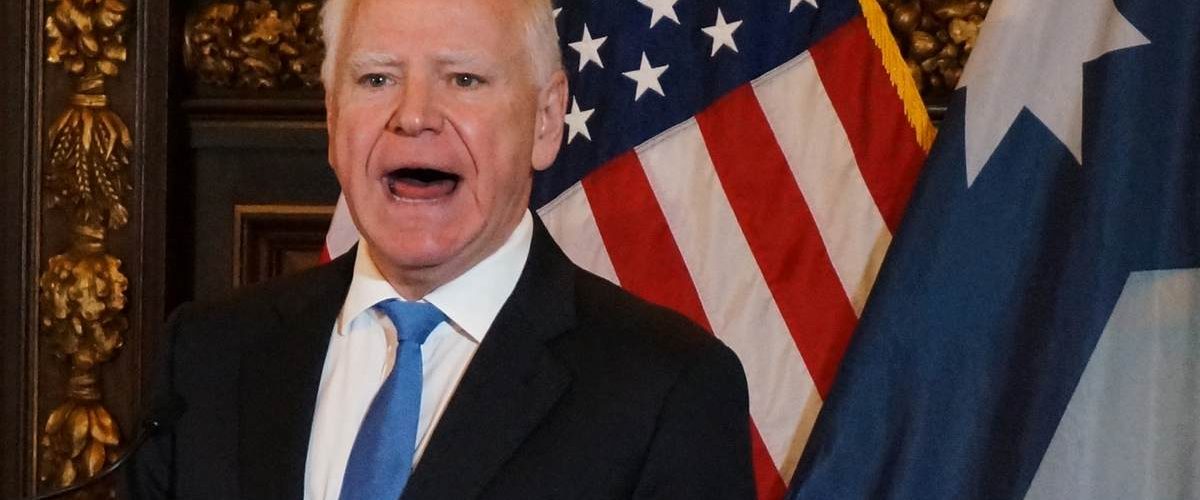
Minnesota sued Texas after Gov. Tim Walz sought to force the extradition of an ICE agent charged in Minnesota, and a federal judge denied a temporary restraining order because Texas had not yet declined the request. The ruling emphasized that the lawsuit was premature, noting Abbott was still investigating whether the agent qualified as a fugitive. The decision leaves the agent’s custody status tied to Texas procedures and the 90-day detention clock. Political tensions between the two governors and their attorneys have sharpened around the question of extradition and state authority.
Minnesota filed for a temporary restraining order to compel Texas Gov. Greg Abbott to sign an extradition warrant for ICE agent Christian Castro or to require Cameron County to keep him detained. U.S. District Judge Fernando Rodriguez Jr. denied that request, finding the case was not ripe for federal intervention. The judge pointed out that Abbott had not actually denied the rendition warrant request, so there was nothing for the federal court to enjoin. That procedural posture was central to the ruling.
Castro was charged in Minnesota after an enforcement operation on January 14 ended with a shot fired through a front door and a man wounded in the leg. Hennepin County filed felony and misdemeanor charges, and Castro returned to Texas the next day at ICE leadership’s direction. Texas authorities arrested him on a Minnesota warrant in Cameron County on May 29, and his custody status has been governed by extradition procedures since then. Minnesota formally requested extradition on June 2, which set the current dispute in motion.
Walz and Minnesota’s attorney general argued that Abbott had effectively refused to comply with the federal extradition request after months passed without a signed governor’s warrant. The state sued on August 18, asking a federal court to intervene and force action. Judge Rodriguez rejected that approach, explaining that Minnesota’s claims relied on speculation about what Abbott might do rather than proof of an existing violation. He wrote, “Minnesota cannot premise its causes of action on the allegation that Governor Abbott may violate those authorities in the future; it must prove that a violation has already occurred.”
The opinion made clear that Texas has been investigating whether Castro fits the statutory definition of a fugitive under the Uniform Criminal Extradition Act. Rodriguez observed, “The record before the Court, however, reveals that Governor Abbott has not denied the request for a rendition warrant,” and noted the Secretary of State’s inquiry is permitted under the Act. Because that investigation was ongoing, the court declined to treat delay as a constructive denial at this stage. The judge also said Minnesota identified no law forcing Abbott to finish his investigation within a set time frame.
The timing matters because Texas law caps certain detention pending extradition at 90 days, after which a person arrested on a governor’s warrant may be discharged if no warrant is presented. Local officials told the court that, absent an order or Abbott’s warrant, Castro would be released on August 27. Minnesota warned that release could allow Castro to flee to Mexico, pointing to evidence he had discussed property and plans with a partner across the border. Still, the court found the possibility of future flight did not create a live federal controversy the court could resolve now.
Rodriguez also flagged a legal wrinkle that cuts both ways: longstanding Supreme Court precedent suggests someone who committed an alleged crime in one state and later appears in another can be treated as a fugitive regardless of why they left. The judge expressed some doubt about Texas’ contention that Castro is not a fugitive because he did not voluntarily leave Minnesota. However, that substantive question was secondary to the court’s main holding that the dispute was premature for federal resolution.
In a footnote, the judge left open the possibility that an extended delay might eventually amount to a constructive denial of Minnesota’s request, but he found the present facts did not reach that threshold. Rodriguez concluded Minnesota had not shown a substantial likelihood of success on the merits and that Abbott’s investigation fell within his lawful prerogative. That gives Abbott a court-backed argument to defend his actions while Minnesota considers next steps.
The political fallout was swift. Minnesota’s attorney general criticized Abbott, saying the governor was “playing with constitutional fire,” and vowed to continue pressing the case. Abbott’s office responded that Texas was right to verify whether Castro qualifies as a fugitive before signing a rendition. Governor Abbott essentially told Tim Walz to “Come and Take It.” And Walz decided promptly to “mess with Texas.”
For now, Walz walked away without a court order compelling action, and the legal fight remains poised to continue if the detention period expires or if Texas’ investigation turns into a decision to deny the rendition. The ruling emphasizes the limits of federal courts in stepping into interstate extradition disputes before a state has taken a definitive action. It also underscores how procedural timing can determine the outcome of politically charged legal battles.


Add comment