
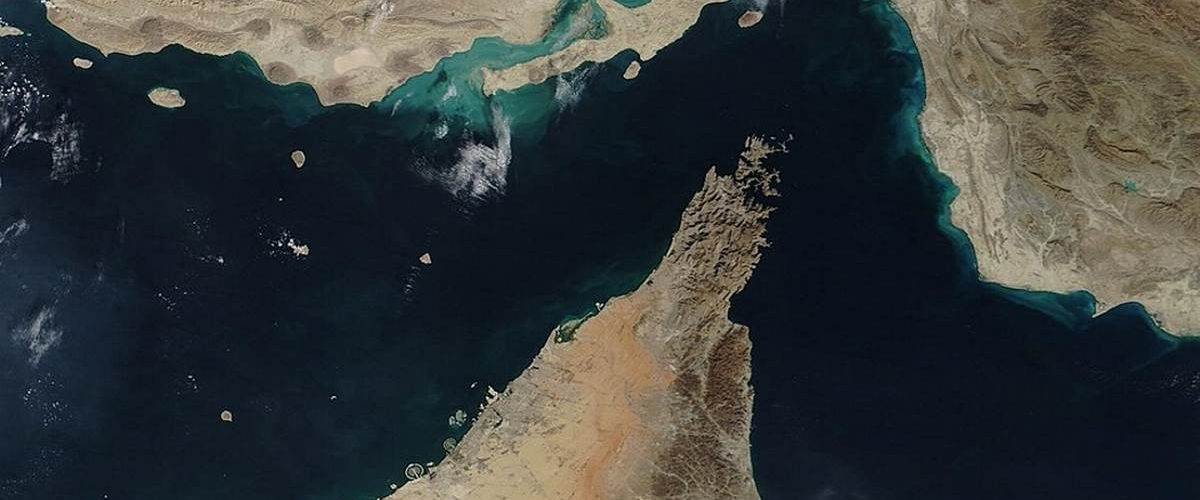
I’ll explain how U.S. pressure and a naval blockade have squeezed Iran’s fuel supplies, how top Iranian officials are sounding alarms, and what that means for daily life and political stability inside the country.
Iran’s economy is under intense strain as a result of stepped-up measures aimed at choking off the regime’s revenue streams. A naval blockade and a campaign to sever economic ties have reduced the flow of exports and imports that once kept state coffers and markets functioning. Currency weakness and surging inflation are already squeezing ordinary Iranians, and fuel shortages have added a new, urgent pressure point.
Sanctions and targeted actions designed to isolate Iran financially have intensified in recent weeks, limiting the government’s ability to move goods and money. One notable development is the cutoff of trade ties with key partners, which used to provide critical economic lifelines. Without those partners, Tehran faces mounting difficulty replacing lost domestic production with imports, particularly for refined fuels like gasoline.
Operation Economic Outcast and related efforts have focused on shutting down channels that the regime has long used to evade restrictions. The result is a more comprehensive squeeze that hits multiple sectors at once: shipping, banking, and trade routes have all been affected. That strategy aims to deprive the regime of hard currency and goods that sustain public services and the military alike.
Iranian leaders have acknowledged the growing toll. The parliamentary speaker warned that military strength alone cannot sustain a state where people face hunger and a breakdown in economic circulation. That blunt admission points to real political risk: scarcity and rising living costs create pressures that are hard for any government to manage without losing public trust.
Now a senior executive vice president has gone further, saying the gasoline situation “is not sustainable” and that domestic output cannot meet demand. He made a clear claim that importing fuel is no longer feasible under current naval restrictions, stressing that continuing on the present course is impossible. Those comments indicate shortages are not hypothetical but are already affecting daily life in major cities.
“Continuing on this path is impossible,” Ghaempanah declared, explaining that the domestic gasoline production was insufficient and that “with the US naval blockade, we cannot import gasoline.”
Reports of long lines at gas stations in Tehran and other urban centers are multiplying, and citizens in places like Mashhad are feeling the pinch. When people must wait for hours to fill a tank, the economic ripple effects are immediate: transportation costs rise, supply chains slow, and small businesses suffer. Those disruptions quickly feed into broader complaints about governance and the state’s ability to provide basic services.
To blunt the impact, Tehran has begun drawing down strategic fuel reserves at an accelerated pace, tapping emergency stockpiles that are meant to cushion shocks. Insiders describe the drawdown as reaching a critical level, with some officials warning reserves could be exhausted within weeks if the current rate continues. Using emergency stores is a short-term fix that cannot be maintained without restoring reliable imports or rapidly increasing domestic refining capacity.
https://x.com/IranIntl_En/status/2092728296156897567
That internal debate has reportedly widened divisions between government officials and security forces over how to respond. Some in the leadership urge austerity and rationing, while others worry that too-tight measures will spark unrest or weaken the state’s control. Those disagreements complicate any coordinated policy response to the shortage and reduce the regime’s flexibility.
From a practical standpoint, running low on gasoline affects more than just private drivers. Public transport, food distribution, and emergency services all rely on steady fuel supplies. If those systems falter, the pressure on urban populations can escalate quickly into humanitarian problems, making the political consequences more acute and immediate.
The combined picture points to a regime coping with a convergence of economic warfare, logistical bottlenecks, and political strain. Restrictions on imports and foreign trade remove a buffer that used to compensate for domestic production shortfalls, while tapping strategic reserves only delays the reckoning. In short, the fuel crunch is another front where the costs of isolation are manifesting across Iranian life.
How Tehran responds in the coming weeks—through rationing, diplomatic maneuvers, or attempts to reopen alternative supply channels—will shape both the country’s economic trajectory and its internal stability. For now, the warning from senior officials and the visible signs of scarcity make clear that the fuel situation is no longer a distant risk but an immediate challenge affecting millions.

Add comment