
Five years after the deadly suicide bombing at Abbey Gate in Kabul, this article revisits the attack’s human toll, critiques the decisions that led to the chaotic withdrawal, highlights President Trump’s public tribute to the victims, and examines how tactical choices like abandoning Bagram contributed to the catastrophe.
The Abbey Gate bombing killed 181 people and wounded more than 150, including 13 American service members and 168 Afghan civilians. That day became a stark symbol of failure for the administration then in charge and a rallying point for critics who argue the withdrawal was mishandled. Remembering the victims means looking clearly at the decisions that created the circumstances for the attack.
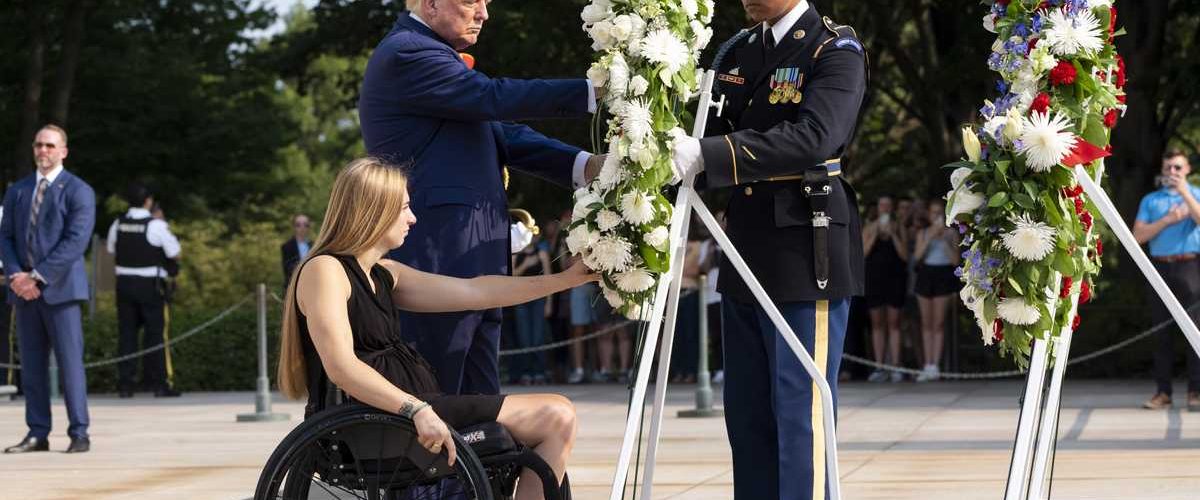
On Wednesday, President Trump took to his Truth Social account to .
The president writes:
https://x.com/RapidResponse47/status/2092690705973998041
Today, we honor the 13 brave American HEROES who were tragically killed five years ago by evil Jihadi terrorists in Kabul, Afghanistan. This catastrophe was a result of Sleepy Joe Biden’s totally botched Withdrawal from the Country, which left our wonderful Servicemen and women defenseless, and allowed the Taliban to free thousands of bloodthirsty terrorists and criminals held at Bagram Prison. This was one of the greatest atrocities in the History of our Nation, and we can never forget that it was the result of the sheer incompetence of Joe Biden and the Democrats who were in charge.
During my 2024 Campaign, I met with the Abbey Gate Gold Star Families, wonderful people and Great Patriots, who were totally ignored and disrespected by the Democrat Party. I promised them we would deliver Justice when I returned to the White House — and we have! We quickly apprehended the evil mastermind responsible for the deaths of our Service members, and it has been one of my Greatest Honors as Commander in Chief. May God Bless America, and may God Bless the Abbey Gate Gold Star Families. You will NEVER be forgotten! President DONALD J. TRUMP
Describing the withdrawal as merely botched understates the tactical and strategic missteps that unfolded. One pivotal error was leaving Bagram Air Base, a far more defensible airhead, and relying instead on Kabul’s airport, which sits amid dense urban areas and complicated the security perimeter. That choice increased vulnerability and made an orderly evacuation much harder to execute without risk to both Americans and Afghan civilians.
Bagram sat roughly 35 to 40 miles from Kabul and could have been reinforced to handle the evacuation more securely. Transporting forces and equipment between the two locations would have been a logistical task, but one well within the capabilities of the military when prioritized correctly. Choosing not to augment Bagram left troops in a position where the enemy could exploit gaps in protection.
In the immediate aftermath of the blast, American service members showed remarkable courage under fire, with Marines and other personnel running back through smoke and flames to pull wounded comrades and civilians to safety. Those acts of valor stood in sharp contrast to the planning failures that created the perilous conditions in the first place. The images and reports from that day remain painful proof of bravery amid chaos.
Beyond the human cost, the withdrawal left behind significant amounts of equipment and weapons that the Taliban later claimed, fueling further instability. Abandoned materiel and vehicles became a strategic windfall for a resurgent enemy and a lasting embarrassment for any administration that allowed it to happen. Critics argue that this loss of resources compounded the tragedy for both regional security and American credibility.
Families of the fallen at Abbey Gate felt ignored in the months and years that followed, and their public appeals for accountability grew louder. Those gold star families became a central moral argument for officials and voters who demanded answers and action. Acknowledging their pain and pledging justice became a political and personal priority for leaders who wanted to restore confidence in how our country treats its fallen.
The Abbey Gate attack will remain a cautionary lesson on the costs of rushed decisions and misplaced priorities during military operations. Presidents and commanders must balance speed with security, and they must never underestimate the consequences when they fail to do so. Remembering the dead is essential, but so is learning the lessons that prevent another similar tragedy.

Add comment