
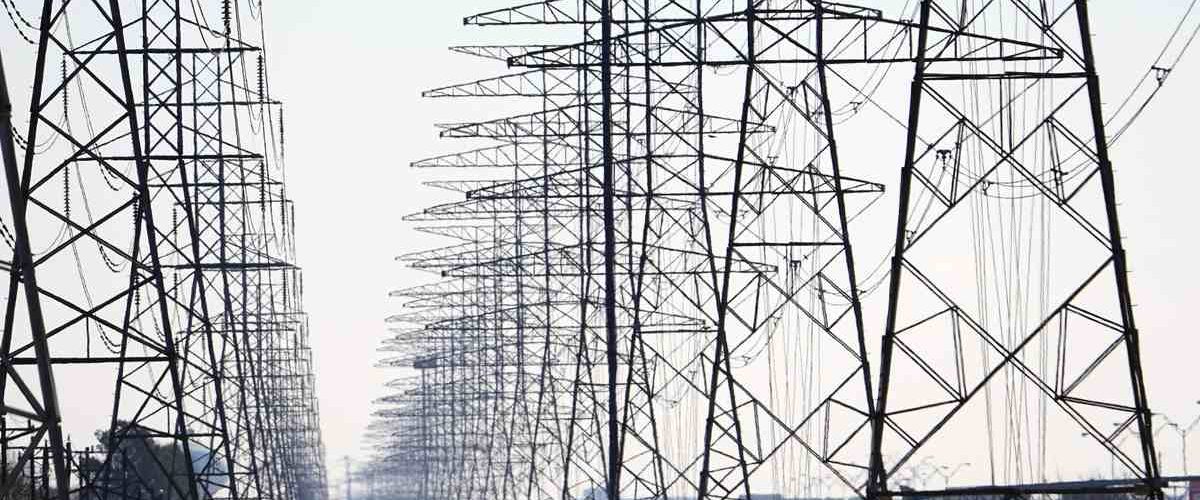
The president has declared a national emergency to protect the United States’ bulk-power systems from foreign vulnerabilities, focusing on the grid and critical equipment rather than local generation, and laying out prohibitions and conditions intended to reduce risks from foreign-made technology and long replacement lead times.
Electricity is the backbone of modern life, and a prolonged outage would be catastrophic for our country. This move frames the grid as a national security issue that demands federal action and swift implementation. The policy targets the systems that keep transmission networks stable, not the small local distribution centers people use every day.
- The Order declares a national emergency under the International Emergency Economic Powers Act and the National Emergencies Act with respect to the unusual and extraordinary foreign threat to the United States involving bulk-power systems produced abroad that may present national security vulnerabilities.
- To deal with the threat to the national security, foreign policy, and economy of the United States, the Order, among other things, generally prohibits certain foreign-produced bulk-power system electric equipment, including associated critical software and digital capabilities that could pose cybersecurity or operational risks, from being purchased or installed in the United States, or appropriately conditions such purchases and installations to address those risks.
The bulk-power system is defined in federal law as the facilities and control systems necessary to operate an interconnected electric energy transmission network and the generation needed to maintain that transmission reliability. That legal definition excludes local distribution and small generation facilities, so the order directs attention where vulnerabilities are biggest. Fixing weaknesses in transmission and large components matters because replacements are specialized, scarce, and take years to build and deliver.
Right now, the United States sources roughly 80 percent of large power transformers used in transmission from foreign suppliers, with more than half coming from China and much of the rest from Mexico and South Korea. Lead times for replacement transformers can be three to five years, leaving utilities and the country exposed if a supply chain is disrupted or a component is compromised. Buying such gear from a potentially hostile nation creates obvious security risks we should not ignore.
The new order zeroes in on transactions that could permit sabotage, unauthorized access, or other disruptions to critical infrastructure. It is designed to prevent catastrophic effects on the security and resiliency of U.S. systems and to stop unacceptable risks to national security. The measures allow the government to block purchases or impose strict conditions to keep essential systems safe and reliable.
- The Order focuses on transactions involving foreign nationals that pose an undue risk of sabotage, unauthorized access, or other disruption, an undue risk of catastrophic effects on the security or resiliency of U.S. critical infrastructure, or an unacceptable risk to the security of the U.S.
- The Order does not apply to facilities used for local distribution of electric energy.
- The Order further permits the Secretary of Energy, in consultation with other members of the Cabinet, to impose conditions on the continued use and operation of such equipment as needed to address the concerns identified in the Order, bearing in mind effects on reliability, safety, availability of replacements, and continuity of service.
Securing the grid at the bulk-power level is a massive task that requires coordination across federal agencies, industry, and states. It will involve replacing or conditioning existing equipment, setting procurement rules, and tightening cybersecurity around control software and digital capabilities. This is a long-term effort, but the alternative—leaving critical systems exposed to foreign manipulation—is unacceptable.
A practical national-security approach means prioritizing domestic manufacturing capacity, speeding up replacement options, and making clear which foreign technologies are off-limits. That also means ensuring reliability is not compromised during transition by carefully phasing changes and maintaining spare inventories. The goal is to reduce dependence on potentially hostile suppliers while keeping service uninterrupted for Americans.
This declaration also sends a political signal: protecting critical infrastructure is a central responsibility of government, and federal leadership is required. The grid is a shared national asset, and when its integrity is in doubt, the whole country is at risk. Faster action now reduces the chance of a future crisis that would be far more costly and dangerous.
Implementing this order will require tough choices, funding, and oversight, but those are the tools of effective governance when national security is on the line. Americans expect the federal government to shield essential systems from foreign threats, and this measure aims to do just that. Moving from policy to practice will be the next critical step.

Add comment