
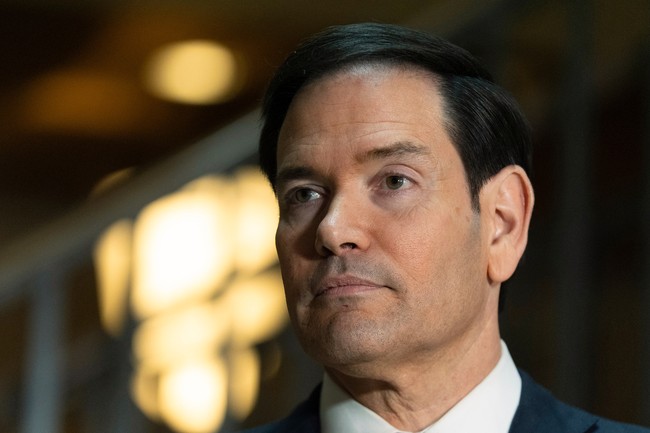
The House Foreign Affairs Committee session turned into a showdown over access to classified briefings, with Republican Chairman Brian Mast calling out Democrat Ranking Member Gregory Meeks for skipping intel sessions before Meeks demanded subpoenas for officials tied to the Iran strikes; the exchange underlined partisan theater versus practical oversight and exposed how absence from briefings weakens claims of being kept in the dark. This piece walks through the hearing moment, the defeated subpoena motion, the sharp back-and-forth, and why attendance at classified briefings matters for serious oversight.
The hearing was framed as a routine discussion on arms control and international security, but early fireworks made it clear it would not stay routine for long. Democrats pushed a motion to subpoena figures tied to the administration’s Iran actions, arguing Congress and the public were being left out of key details. The demand for subpoenas escalated tensions quickly and turned the hearing into a test of credibility for those making the accusations.
Ranking Member Gregory Meeks pressed for subpoenas, asserting the need for transparency and answers about U.S. policy toward Iran. That motion failed, but the lead-up exposed more than procedural disagreement; it highlighted whether those pushing the subpoenas had first exhausted available oversight tools. Committee Chair Brian Mast focused on that precise point, questioning whether Meeks had taken advantage of classified briefings designed to inform lawmakers.
Mast’s response was direct and personal. He pointed to missed opportunities where classified briefings could have answered the very questions Meeks raised, and he cited Meeks’ own absence and a late arrival at a recent briefing as evidence. That rebuke moved the exchange from abstract accusations to concrete examples of how elected officials gather critical information before making public demands.
Mast, while acknowledging the motion from Meeks, accused him of skipping fly-in day classified briefings on the conflict. The chair also said the New York Democrat “showed up 45 minutes late” to a classified briefing last week with the State Department’s Bureau of Intelligence and Research.
“Had you been on time, you might know a little bit more,” the Florida Republican told Meeks, seated directly to his left.
[…]
Mast responded, “Again, I’d encourage you [to] attend the hearings and the briefings that we have. You’d learn quite a bit, and even consider showing up on time. You’ll learn a lot.”
That quoted exchange landed hard because it shifted the narrative from alleged secrecy to the responsibility of lawmakers to seek out classified information. If a member of Congress claims they are being shut out, critics can now point to the record of briefings and attendance. Mast used the committee’s own process as a mirror, showing where the oversight system is supposed to work and where it can break down when participants opt out.
The motion to subpoena was voted down, but the substance of the hearing did not end with that procedural loss. Republicans emphasized that classified briefings exist so lawmakers can ask tough questions in a secure setting, learn sensitive details, and then press for accountability using informed evidence. Skipping those briefings weakens any public claim of being uninformed, and Republicans framed that absence as political posturing rather than a legitimate oversight tactic.
The optics of the moment were telling. Mast’s challenge was short and sharp, aiming to expose an inconsistency: demanding transparency while avoiding the standard mechanisms that deliver it. For committee members, attendance at classified sessions is how you separate theatrics from true oversight. The exchange suggested that, in this case, theatrics were winning the day.
Later commentary from the committee room noted that when officials have repeated chances to receive classified updates, ask detailed questions, and follow up, those who skip those opportunities undermine their own complaints. The argument was straightforward: if you want answers, show up where they’re offered and then raise the questions publicly if you still need more. That logic resonated with Republicans on the panel who were pushing the point.
Outside the hearing room, the episode fed into a larger narrative about political grandstanding around national security issues. Observers who favor clear, accountable oversight saw the exchange as validation of the need for consistent participation in classified briefings. Critics of the subpoena push viewed it as a partisan spectacle rather than a genuine effort to secure information for the American people.
For anyone following the committee’s work, the takeaways were practical: use the tools provided, attend the briefings, and build accountability on documented engagement. The hearing’s key flashpoint did not resolve broader disputes over policy toward Iran, but it did put a spotlight on how procedural choices—like attendance—shape credibility in national security debates. Watch:
Editor’s Note: For decades, former presidents have been all talk and no action. Now, Donald Trump is eliminating the threat from Iran once and for all.



Add comment