
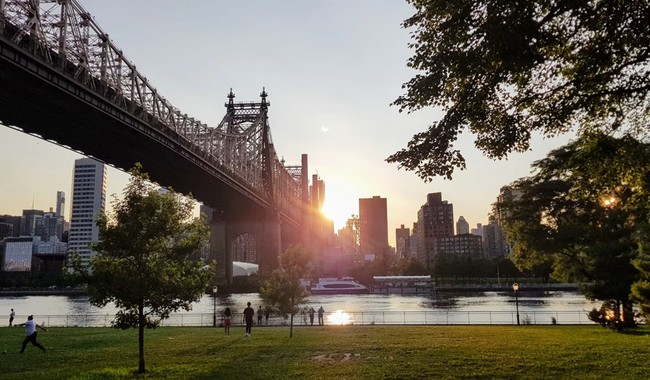
New York’s new mayor wants to remove Ed Koch’s name from the Queensboro Bridge, citing the handling of the AIDS crisis decades ago, and that move has set off a broader debate about history, political score-settling, and the limits of modern cancel culture.
Zohran Mamdani campaigned as a democratic socialist promising change and attention to everyday New Yorkers, but the push to erase a former mayor’s name feels more like retribution than reform. The proposal targets Ed Koch, a three-term mayor credited with steering the city through a brutal fiscal crisis and stabilizing New York in the late 1970s and 1980s. Critics argue that Koch’s record on the AIDS crisis is a legitimate point of criticism, but removing his name from a public landmark moves beyond accountability into symbolic punishment.
Removing names from public places is an old tactic of political movements that want to reshape public memory, and it rarely ends with a single target. Once we accept erasing a public figure for policy failings that happened long ago, the door opens to endless re-evaluations and scoreboard politics where context and nuance get tossed aside. The cost of that is not merely historical revisionism; it’s the erosion of civic norms that let people work through disagreements without trying to obliterate the past.
Ed Koch was more than a flashpoint. He was elected by large margins in 1981 and 1985, known for a brash, plainspoken style and for asking, “‘How’m I doin’?” He also served during a time when the city was financially crippled and crime and municipal collapse were real threats. For many New Yorkers who lived through that era, Koch’s leadership is tied to a revival of the city’s institutions and a sense of stability that followed years of decline.
There is a moral argument to be made about the response to AIDS in the 1980s and how public officials acted, or failed to act, in the face of a new and deadly epidemic. The anguish and losses of that era demand honest reckoning, and victims and families deserve recognition for their pain. But a city’s response to historic wrongdoing should include education, memorials, and policy change, not the simple erasure of names that also carry other accomplishments and complex legacies.
https://x.com/Bubblebathgirl/status/2061817051992215616
Beyond the policy debate, this proposal has an identity angle that can’t be ignored. Koch was the second Jewish mayor of New York City, and critics say removing his name carries the weight of diminishing Jewish contributions to a city that’s long been a mosaic of communities. When renaming efforts intersect with questions of cultural or religious recognition, the stakes shift from administrative to communal, and leaders should tread carefully to avoid alienating groups that feel targeted.
The political theater around renaming also exposes a mismatch between campaign promises and governing priorities. Mamdani vowed to address the everyday needs of New Yorkers, yet focusing energy and political capital on symbolic actions diverts attention from pressing problems like housing, transit, public safety, and the city’s fiscal health. Citizens weary of slogans want substance: policies that tangibly improve daily life, not headline-grabbing gestures that inflame partisan divisions.
Public memory is messy, and no one expects perfect leaders from the past. But the right response to problematic histories is not always to obliterate their traces. It can be more constructive to add context—plaques, exhibitions, and frank public discussions that explain both achievements and failures. That approach helps citizens learn rather than creating martyrs or villains for contemporary political battles.
The uproar over the bridge name is also a test of how New Yorkers assess leadership. Will the city opt for punitive symbolism or for a sober, contextualized treatment of history that acknowledges pain while preserving civic continuity? The answer will reveal whether modern politics in the city prefers scorched-earth purges or durable civic solutions that respect complexity.
Throwing out names from bridges and buildings might make for dramatic headlines, but it won’t fix housing shortages, subway delays, or the budget shortfalls that affect millions. If the goal is to serve the average resident, elected officials should prioritize policies with measurable impacts and reserve renaming fights for moments when consensus and clear moral purpose exist. Otherwise these moves risk looking like political theatre rather than responsible governance.
NYC Mayor Zohran Mamdani and other Democrats want to strip former Mayor Ed Koch’s name from the iconic 59th Street Bridge (Queensboro Bridge).
Koch — the second Jewish mayor in NYC history after Abraham Beame — led the city through the fiscal crisis, stabilized finances, and fought crime in the ’70s/’80s. He earned that renaming in 2011 for a reason.
Now they’re coming for it over decades-old grievances about the AIDS crisis.
This isn’t just renaming a bridge. It’s erasing history, especially Jewish leadership in NYC.
Hands off Koch’s bridge. Are you paying attention, New York City?
(Video: AI)


Add comment