
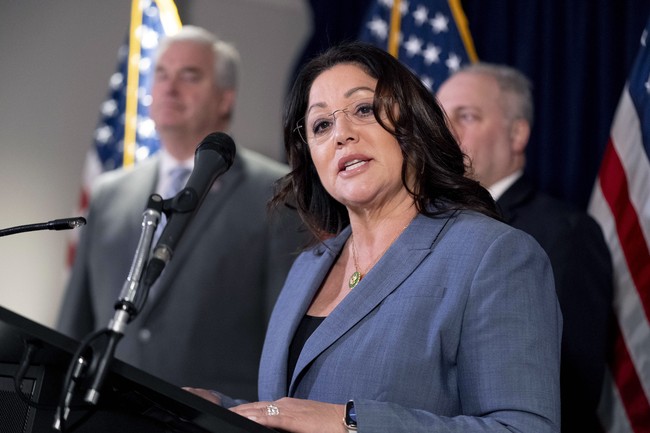
This article outlines the resignation of Labor Secretary Lori Chavez-DeRemer amid an Office of Inspector General probe and related civil complaints, the departures of multiple senior aides, reported allegations about workplace conduct, and reactions from the White House naming an acting replacement.
The last few months at the Department of Labor read like a slow-motion ethics crisis. A stream of allegations, administrative leaves, and firings made it impossible to isolate policy work from personnel problems. The Office of Inspector General opened an inquiry that drew public attention and raised questions about leadership, judgment, and office culture.
There has been a consistent drumbeat of these issues surrounding the Labor Secretary. As RedState reported in January, Chavez-DeRemer’s Chief of Staff Jihun Han and Deputy Chief of Staff Rebecca Wright were placed on administrative leave for their potential involvement in helping Chavez-DeRemer facilitate these acts. In March, a third high-level aide, Director of Advance Melissa Robey, was also placed on administrative leave. Han, Wright, and Robey were subsequently terminated, and the security guard with whom Chavez-DeRemer had the alleged inappropriate relationship resigned.
Alongside the personnel shakeup came civil claims. Multiple current and former staffers moved beyond internal complaints and filed a civil rights lawsuit, signaling that confidence in internal oversight had eroded. Those filings broadened attention from internal discipline to potential legal exposure for Chavez-DeRemer and her husband, making the situation a matter of public litigation rather than only administrative review.
As the Office of the Inspector General winds down its investigation into Secretary of Labor Lori Chavez-De-Remer over allegations that she created a hostile work environment, had an inappropriate relationship with her bodyguard, drank on the job, and used department travel for her own personal aims, three DOL staffers have chosen to file a civil rights lawsuit outside of that OIG investigation.
For conservatives who opposed the pick from the start, the resignation confirms earlier warnings about judgment and priorities. Critics had noted Chavez-DeRemer’s past championing of union-friendly legislation, including support for the PRO Act, and worried that her approach would tilt the department away from worker freedom and toward heavy-handed union influence. Those doubts about fit for the role were already part of the confirmation debate.
The public announcement made it clear the White House framed the departure as a move to the private sector, while also highlighting accomplishments. The official statement praised Chavez-DeRemer for protecting workers and expanding skills programs, and it named Keith Sonderling as Acting Secretary. That naming provides immediate continuity, but it does not erase the questions surrounding how the situation unfolded and what it will mean for departmental morale.
Republicans will point to two separate but related failures: the appointment process that put an unvetted or troubled pick into a Cabinet post, and the internal controls that failed staff who reported concerning behavior. When your agency is responsible for enforcing labor law and protecting workers, leadership must be above reproach. The optics of aides being placed on leave, then fired, while allegations pile up is a serious governance problem.
The fallout will reach beyond personnel. Congressional Republicans can use this episode to press for clearer standards on ethics, travel, and conduct in the executive branch. The story also gives lawmakers reason to revisit confirmation scrutiny, ensuring nominees have clean records and the temperament needed to manage sensitive agencies. At a minimum, it underscores the need for faster, clearer responses when credible allegations arise.
Press coverage will vary, but the core facts remain: an OIG probe, administrative actions against senior aides, civil suits by staff, and a resignation that installs an acting secretary. The mix of internal investigation and civil litigation complicates any effort to move quickly past the episode. Legal matters continue even as the department tries to steady operations under interim leadership.
For conservatives focused on protecting worker freedom, the policy implications matter as much as the personnel ones. Chavez-DeRemer’s record drew skepticism for perceived union sympathies that many Republicans view as hostile to right-to-work principles. The policy debate now will proceed alongside oversight inquiries, and both will shape how the Department of Labor behaves in the months ahead.
The department faces a short-term leadership test and a longer-term reputational test. Acting leadership must reassure staff, preserve enforcement priorities, and rebuild trust with stakeholders who expect impartial administration of workplace laws. At the same time, lawmakers will be watching closely to see whether the department adopts reforms to prevent similar breakdowns in the future.


Add comment