
The Los Angeles mayoral primary has erupted into an ugly dispute over voter rolls and homeless registrations, raising serious questions about how ballots get collected and whether public funds and political influence crossed lines. This piece lays out the facts uncovered, highlights the troubling connections between a councilmember and service providers, and explains why conservatives should be alarmed about integrity in big-city elections. Below you’ll find the preserved quotes from reporting and a clear-eyed look at what this episode means for election confidence in California. The situation demands scrutiny, not platitudes, and the stakes are national when city races involve questionable registration practices.
The race for Los Angeles mayor took an unexpected twist when allegations surfaced that thousands of homeless people were registered at addresses tied to shelters and service providers. The troubling detail is not mere clerical error; some of the listed locations reportedly had no beds or were drop-in centers, yet large numbers of voter registrations were attached to them. For citizens who believe in clean, transparent elections, this looks like a raw invitation for abuse and a clear reason for law enforcement to step in and examine the records closely.
Thousands of homeless voters were registered to vote at LA shelters — despite many not living there or the facilities not having any beds.
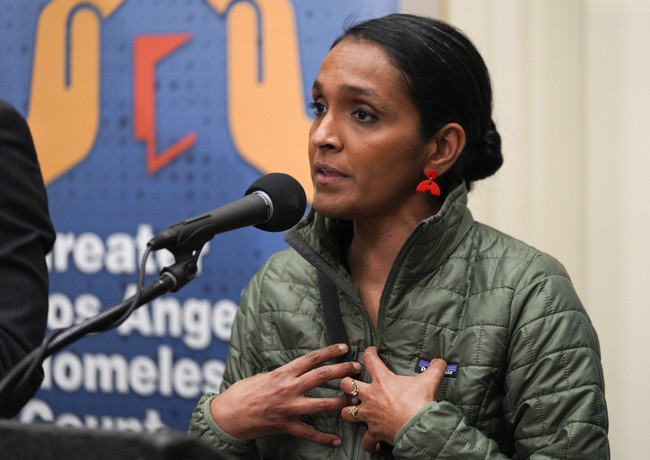
And as Spencer Pratt was eliminated by Nithya Raman in the mayor’s race on Monday night, it can be revealed that one drop-in center that received $600,000 from the socialist candidate had 185 registered voters at the address but offers no accommodations.
The revelations have prompted US Attorney Bill Essayli to say he will investigate the concerns uncovered by The Post and “follow the evidence” to see if the law has been broken.
A review of records shows 7,600 voters tied to homeless shelters and service providers.
One organization named in the reporting, St. Joseph Center in Venice, is described as a drop-in operation that reportedly had 185 registered voters linked to its address. Allegations also tie a $600,000 grant awarded while the councilmember chaired a committee to that same organization. When public grants and voter registration patterns overlap like this, the optics are terrible and the need for an independent probe becomes obvious to anyone who cares about fair play.
Among them was St. Joseph Center in Venice, a homeless services drop-in center with 185 registered voters tied to its address. The organization received a $600,000 taxpayer-funded grant awarded by Raman while she chaired the City Council’s Housing and Homelessness Committee.
Last week, The Post contacted her campaign and the center seeking comment regarding the relationship between the councilmember and the organization but has not heard back. However, a photograph showing Raman presenting a check was taken down from its website following our inquiries.
Martin Rowe, a homeless man living in Venice, told The Post he was registered to vote during an outreach effort outside a Ralphs grocery store.
“They asked you all the questions,” Rowe said. “They gave you a paper.”
Campaigns that register the homeless have to be aboveboard and transparent. But when registration drives, funding decisions, and last-minute vote swings align, it smells like a coordinated operation geared to move outcomes rather than to expand civic participation. Conservatives should be blunt about this: voter access is vital, but any system that enables manipulation of vulnerable populations needs reform and tough enforcement.
US Attorney Bill Essayli has reportedly said he will investigate the matter and “follow the evidence,” which is the right response when inconsistencies of this scale appear. That kind of federal attention is justified by the numbers allegedly involved and the potential impact on the mayoral primary. If investigations confirm illegal behavior, prosecutions must follow to restore public confidence and deter future abuses.
This episode also underscores a larger problem in American politics: big-city election administration often lacks the safeguards necessary to prevent fraud and ballot harvesting. Conservatives across the country have long argued that election integrity measures, such as stronger verification of registration addresses, clearer rules around third-party registration, and tougher penalties for unlawful ballot collection, are essential. The LA case is a concrete example of why those proposals matter.
The unusual surge in votes for a particular candidate near the end of the counting only deepens the suspicion for skeptics and demands an open review of the chain of custody for ballots and the methods used to register and assist voters. Republican voters and officials should press for audits, transparency in how outreach was conducted, and a full accounting of any city funds that intersected with registration efforts. Clean elections are not partisan luxuries; they are the backbone of legitimate governance.
At the end of the day, Los Angeles voters deserve to know whether the results reflect true, individual choices or a system vulnerable to manipulation. Federal probes are a start, but lasting confidence will come from reforms and enforcement that ensure every legitimate vote counts and every improper practice is punished.


Add comment