
This piece explains how the 340B Drug Pricing Program supports rural hospitals, why proposed changes from drug manufacturers would harm small-town healthcare, and why conservatives should oppose shifting the program from upfront discounts to a rebate model that delays or denies needed funds.
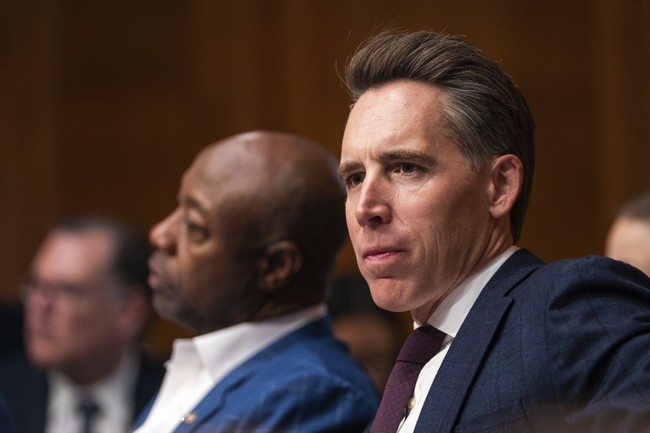
Hawley, Tuberville Stand Against Big Pharma’s End-Run Around Rural Health Care
The 340B Drug Pricing Program has been a quiet lifeline for rural hospitals and community health centers for more than 30 years. Under the program, drug manufacturers that participate in Medicare and Medicaid agree to provide discounted prices on outpatient drugs to safety-net providers, letting those providers stretch scarce dollars and keep services running in places others would abandon.
Community health centers and safety-net hospitals use 340B savings to keep clinic doors open, maintain telehealth offerings, run mobile clinics, and support school-based health services. Those dollars fund chronic disease management, prevention, capital improvements, and specialty and behavioral health care — including opioid treatment and recovery programs in hard-hit regions such as Appalachia, where the fallout from companies like Purdue remains real and painful.
Recent survey data from Advocates for Community Health show that about 25% of total savings generated by large community health centers through 340B purchases goes toward rural health care, and 77% of participating centers say they use savings to support rural services. Five centers reported that more than 70% of their 340B savings were directed to rural care. Those numbers help explain why disrupting 340B matters where people actually live and work.
Now Big Pharma and some policy actors want to swap the current model — discounts upfront at the point of purchase — for a rebate-after-purchase scheme. That seems like a technical change until you look at the consequences: instead of immediate reductions at checkout, safety-net providers would have to bill for rebates and wait, sometimes indefinitely, for money that might never come.
Proponents sell the rebate idea with words like reform and transparency, but the result is predictable. Rural hospitals would effectively become creditors to pharmaceutical firms, fronting the cost of medicine while waiting for rebates. For facilities operating on wafer-thin margins, that delay is not an academic problem — it is an existential threat to local services.
The American Hospital Association has already filed suit to block a rebate pilot, arguing it violates administrative law and threatens patient care. That legal action highlights two conservative concerns at once: defending constitutional limits on unchecked agency action and protecting communities that depend on private providers rather than big government programs run from Washington.
Conservatives who claim to prioritize rural America should be especially wary of letting a rebate pilot spread. Doing so hands Democrats a ready-made campaign line about rural healthcare collapse while actually weakening the institutions that keep rural patients in their communities. Opposing the rebate model is consistent with standing up for local care, fiscal responsibility, and limits on executive overreach.
Make no mistake: this is also a fight about accountability for drug manufacturers. Many of these companies collect billions from federal programs while enjoying massive profit margins. The 340B program costs taxpayers nothing directly and channels private-sector discounts to the communities that need them most. Stripping away those discounts—whether through legal maneuvering or regulatory changes—rewards corporate greed at the expense of rural patients.
Policy choices here have political consequences. When rural clinics close, patients travel farther, wait longer, and rely more on emergency rooms — a trend that increases costs and worsens outcomes. Who defends the 340B structure and who supports a rebate pivot will be a clear indicator of priorities in the next campaign cycle: preserving concrete local services or protecting pharmaceutical profit models dressed up as reform.
The practical, pro-rural conservative stance is straightforward: preserve the 340B discount-at-purchase framework, push back on administrative overreach that circumvents statutes, and demand transparency from drug companies without leaving community providers holding the bag. That approach defends rural hospitals, curbs corporate windfalls, and aligns with the small-government instinct to keep services local and accountable.
Policymakers who say they care about rural voters should translate that talk into action by supporting legal challenges that protect the current 340B framework and by insisting on legislative fixes if needed. The choice is not abstract: it will decide whether small hospitals stay open and whether patients in rural counties continue to access vital care where they live.


Add comment