
Checklist: defend Admiral Bradley’s actions, report senators’ criticisms of Democrats and media, summarize the closed briefing and legal justification, highlight comparisons to past administrations, and include embedded original media tokens in place.
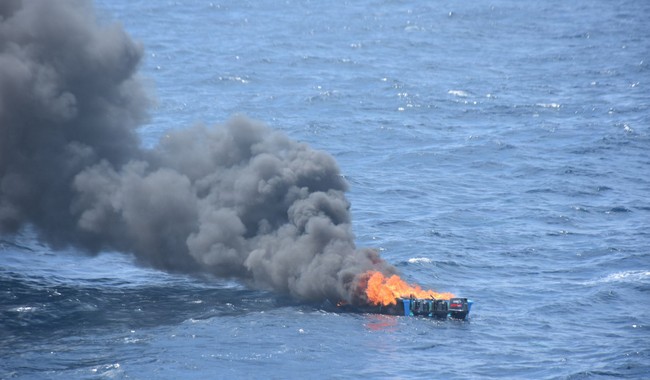
Republican senators pushed back hard after a closed-door briefing about the September 2, 2025, strike on a narco-trafficking boat, insisting the operation was lawful and necessary. They accused Democrats and parts of the media of pushing a false narrative that mischaracterized U.S. Special Operations Command commander Admiral Frank M. Bradley. Senators described the briefing as clarifying the facts and legal basis behind a high-stakes decision made to protect Americans from deadly drug shipments.
The briefing was led by Secretary of War Pete Hegseth and Secretary of State Marco Rubio, who walked the Senate Armed Services Committee through what happened on the water. Republican members said the video and legal memos show the vessel’s occupants were actively trying to continue their mission after the initial strike. That, senators argue, made the strike a lawful use of force against narco-terrorists who pose a clear danger to the homeland.
Senator Eric Schmitt (R-MO) was blunt after the session: “I just was in the SCIF, I saw the video [of the September 2nd narco boat strike], and I think the Democrats ought to be ashamed of themselves by trying to slander Admiral Bradley, who was executing a lawful order.” He stressed that the footage shows traffickers attempting to flip the boat back over and link up with others, not a scenario of indiscriminate killing.
Schmitt doubled down on the legality. “The men on the boat were trying to continue their mission, and that’s the truth,” he said, and added context about the claims that started the controversy: “You’ve got to remember where this started. The Democrats and the Washington Post falsely claimed there was a ‘kill everybody’ order. That’s false, that’s been debunked even by the New York Times.”
He also pointed to the substantial legal record backing the action, saying he reviewed more than forty legal memoranda that justify the strike. “And so in this instance, the people and the boat were sunk,” Schmitt said, calling the action “one-hundred percent legally justified.” He accused Democratic critics of ignoring the evidence and misrepresenting service members’ conduct for political reasons.
Senator Markwayne Mullin (R-OK) framed cartel violence in stark terms, labeling these cartels as terrorist organizations because of the human toll their drugs inflict on American communities. He invoked the Obama-era tally of strikes, noting that past administrations struck targets deemed terrorist without the same level of public outrage. Mullin asked a pointed question about consistency: if similar decisions were acceptable overseas, why demonize them when used to stop narco-terrorists headed toward U.S. shores?
Mullin pressed the moral and national-security case, pointing to the number of Americans killed by fentanyl and other cartel poisonings in recent years. He said those deaths amount to a national crisis and justified aggressive action against the networks that smuggle deadly drugs. For him, the strike was a defensive move to halt a flow of poison that was directly linked to rising mortality back home.
Senator John Kennedy (R-LA) summed up the GOP line with a few plain words: “These military strikes against narco-terrorists carrying drugs in boats to the United States are legal,” he stated. “They’re effective. [Drug] traffic is way down. The intelligence on which they are based is exquisitely good.” Kennedy emphasized the safeguards built into the process and insisted that commanders and lawyers weighed potential harm to bystanders at every step.
Several senators accused Democrats and sympathetic outlets of eagerness to weaponize allegations against military leaders for political points, even at the expense of morale and truth. They warned that such tactics encourage breaking the chain of command and undermine trust in America’s armed forces. Republicans argued that protecting troops and lawful commanders from unfounded slander is essential to preserving good order and the nation’s defense posture.
The message from the closed briefing, as relayed by Republican members, was direct: the strike was legally justified, based on solid intelligence, and aimed at disrupting organizations that traffic lethal narcotics into the United States. Senators pressed that facts and legal analysis matter more than partisan spin when it comes to life-and-death decisions. They left the room insisting that people should judge the action by the record, not by sensationalized claims.
Lawmakers signaled this issue would remain a point of contention, predicting Democrats would continue to press their version of events. Republicans maintained they will keep defending service members and commanders who act within the law to protect American lives. The debate is far from over, but the senators who saw the classified material say the record vindicates the decision-makers involved.


Add comment