
The Minnesota adult day care and assisted living fraud scandal, now estimated at more than $1 billion, erupted into public view recently and has prompted sharp hearings, whistleblower complaints, and emotional testimony from disability advocates calling out state leaders for failing vulnerable residents.
The House Fraud Prevention and State Agency Oversight Committee convened to press officials from the Department of Health and Department of Human Services about persistent fraud in care programs. Committee members said the hearings exposed additional holes and a clear failure of internal controls that allowed widespread abuse to continue. Whistleblowers say they feared retaliation and lacked confidence in the state’s ability to protect them.
Fraud Committee Chair Kristin Robbins, a Republican and gubernatorial candidate, directly challenged the administration’s inspector general about the lack of trust from frontline workers. She told the IG that whistleblowers were terrified of retaliation and would not share information with an office they do not trust. Her remarks framed the hearing as a fight over whether the state will protect those who speak up or allow wrongdoing to keep happening.
Robbins said bluntly that reports had piled up inside agencies for years and that leadership did not act fast enough to stop the rot. The committee has set up its own whistleblower portal and is reviewing claims independently because employees say they cannot rely on the existing system. That move underscores how deep the mistrust runs between rank-and-file staff and the people tasked with oversight.
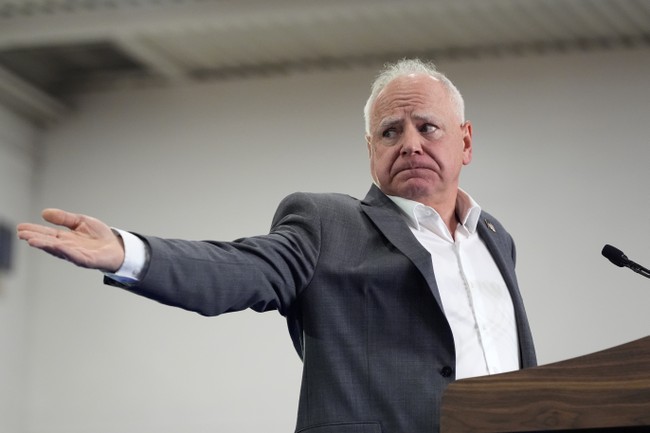
Nathaniel Olson, a disability advocate, spoke with raw, personal urgency about how the fraud harms the people the programs were meant to serve. He called out Governor Tim Walz (D) for downplaying the crisis and said families are terrified for their loved ones. His testimony put a human face on the numbers and made clear this is not a budget exercise but a public safety and moral failure.
Olson’s message was forceful and specific: families are reaching out with stories of abuse and neglect, and the state’s response has been inadequate. He described his own little brother’s situation and vowed to keep him at home rather than risk placing him in an unregulated or unsafe facility. Olson framed his fight as speaking for those who cannot speak for themselves, demanding the state stop excusing the problem.
“We did receive your letter, Inspector General, asking us to share information with you on credible whistleblower reports. To date, we have not. That is because there is no trust, as you might understand. This fraud has been perpetuated on your watch, and the whistleblowers who reach out to us within the department are terrified. They feel they have already been retaliated against, and they are very afraid to reach out to you. If they believed we were turning around and giving their information to you, we would not have whistleblowers.”
The committee also highlighted how a whistleblower X account helped blow the lid off the scandal, with allegations of retaliation fueling wider concern. That public attention forced policymakers to stop treating the issue as a local embarrassment and begin addressing systemic failures. Yet even after multiple high-profile revelations, witnesses at the hearing said the state’s explanations fell short.
Politically, the controversy puts the Walz administration on the defensive, and critics argue his team has downplayed the scope and severity of the problem. Republicans in the committee framed the matter as evidence that leadership priorities are misaligned and that stronger accountability is needed. The debate now centers on whether state officials will accept reforms, cooperate with investigators, and protect whistleblowers who report abuse.
Families and advocates insist that answer cannot be lip service or vague promises to “figure it out” later. They want concrete steps: stronger internal controls, independent investigations, and protections so staff can report fraud without fear. Until that happens, the clock keeps ticking on Minnesotans who depend on these programs for basic safety and dignity.
What comes next are federal and state probes drawing increased scrutiny and more public pressure for change. For people like Olson and the families he represents, attention is only the start; they want action, accountability, and a guarantee that public funds and vulnerable lives will be safeguarded. The politics around the scandal will continue, but the underlying demand is simple: stop the abuse and restore trust in a system charged with protecting the most vulnerable.


Add comment