
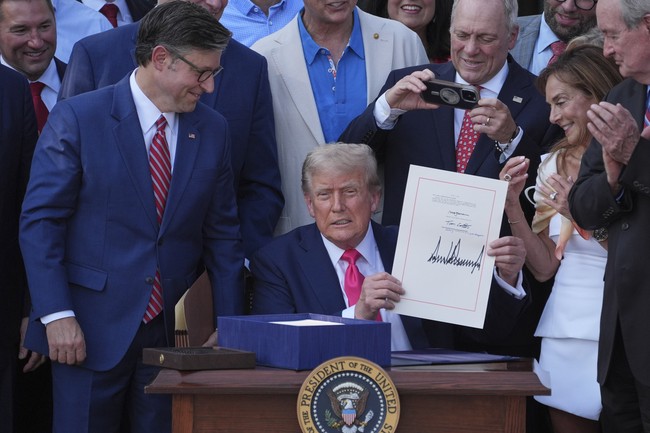
The House majority fight is far from decided; this piece examines redistricting shifts, retirements and recruiting, fundraising and spending, primary dynamics, and the key issues—immigration, the economy, and foreign policy—that will shape whether Republicans hold the House in 2026.
After the midterm results, many pundits declared the House tilt toward Democrats, but that narrative is premature. Republicans need to avoid a net loss of three or more seats to keep control, and history shows midterms can surprise. The map is fluid and the real campaign hasn’t started, so headlines right now overstate the outcome.
Redistricting has been a mixed bag, often leaning Democratic in court fights and state actions, yet several states still offer GOP pickup opportunities. Texas, Ohio, Missouri, North Carolina, and Florida are all in play for Republicans, while California and some court-ordered maps have helped Democrats. The net effect so far is not decisive either way; appeals and adjustments could swing a handful of seats before voters cast ballots.
Retirements complicate the landscape. A large number of members from both parties are leaving, and a few of those exits come from competitive districts that matter most. Open seats in swing areas create both danger and opportunity, and how quickly each side recruits credible replacements will matter a great deal. That dynamic makes candidate quality and timing key variables.
Fundraising tilts heavily toward Republicans at the moment, giving GOP operatives a real advantage in the months ahead. The president’s fundraising haul and allied committees hold unprecedented sums, and party committees report stronger coffers than their counterparts. Those resources translate into ads, field operations, and the ability to defend vulnerable incumbents, especially in districts where margins are tight.
Trump raised $26 million through his joint fundraising committee in the back half of last year, and another $8 million directly into his leadership PAC. And a super PAC linked to him has more than $300 million in the bank. All together, a web of campaign accounts, some of which he controls directly and others under the care of close allies, within the president’s orbit have $375 million in their coffers. The funds far outstrip those of any other political figure — Republican or Democrat — entering 2026, and have no real historical precedent.
Party coffers are not the only edge. The RNC and House-aligned committees report large war chests compared with their Democratic counterparts, and those leads let the GOP invest in competitive districts. That financial muscle can deter credible primary challengers and pay for early advertising that frames the race on conservative terms. Money is not everything, but it buys time and infrastructure.
On primaries, Republican leaders have largely discouraged intra-party fights to keep incumbents focused on general election defenses. That unity can be an advantage if it holds, though there are exceptions where anti-establishment challenges persist. The president has taken an active role in recruiting candidates and stabilizing vulnerable districts, signaling that national resources will flow where needed. Staying disciplined on primaries helps avoid wasting resources on internecine battles.
https://x.com/VoteHub/status/2017366550232371249
Immigration remains one of the most salient issues driving voter sentiment in many districts, and it plays to GOP strengths when framed around enforcement and border security. Recent incidents and their coverage have energized both sides, but polling shows many voters prioritize decisive action on immigration. Republicans can capitalize by offering clear policies on deportations and border control that contrast with Democratic positions.
The economy and cost-of-living concerns are equally critical and often decisive for independent voters. Inflation trends, job growth, rent relief, and lower overdose deaths are measurable indicators voters heed when judging incumbents. Republicans should press these tangible improvements and tie them to policy choices, while Democrats will try to reframe or blame external factors. Voters respond to household-level impacts more than abstract narratives.
Foreign policy also plays into domestic politics, especially when military actions or crises dominate the headlines. Historically, administrations often gain a polling boost after decisive foreign moves, at least initially, under the rally-around-the-flag effect. That dynamic can blunt opposition attacks temporarily, but prolonged conflicts and casualties shift opinions over time. How both parties handle messaging on national security will affect swing voters.
As the campaign season opens, messaging and advertising will replace media setup stories that paint one side as inevitable winners. Republicans plan coordinated ad buys and events to highlight contrasts with Democrats and to nationalize key issues favorable to them. The Midterm Convention and other organized efforts aim to frame the electorate’s choices well before Election Day. Momentum will depend on disciplined execution and clear, repeated themes.
Several structural points deserve attention: current presidential approval numbers matter for down-ballot dynamics, the unprecedented status of a two-term non-consecutive president injects uncertainty into voting patterns, and exposure levels across the House are uneven. Those factors combine to make the outcome path-dependent and sensitive to late shifts in turnout and message resonance. The battle for the House is not won yet; it will be fought in the months ahead.


Add comment