
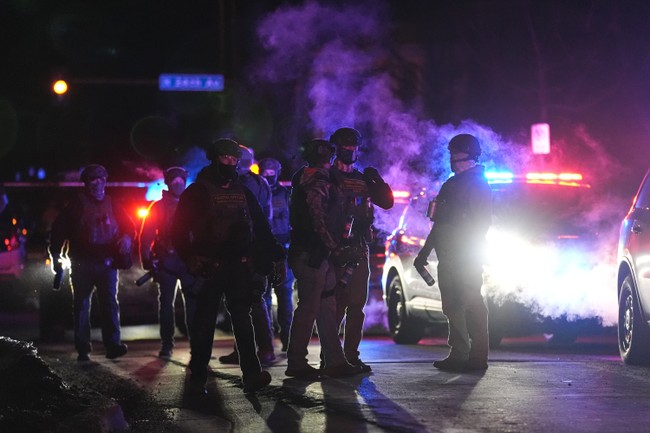
This article walks through the chaotic weekend in Minneapolis, the disruptive anti-ICE actions that spilled into a church, and the alleged robbery of independent journalist Nick Sortor while he was filming; it covers the subsequent reactions from authorities, the involvement of local supporters, and the likely federal follow-up.
Minneapolis saw a string of volatile incidents tied to anti-ICE demonstrations that escalated beyond protests and into confrontations with bystanders. Demonstrators targeted people they believed were ICE agents and even interrupted a church service because they suspected a pastor had ties to ICE. That carry-on meant worship was disrupted and the community was denied a quiet sanctuary at a crucial time.
Assistant Attorney General Harmeet Dhillon announced an inquiry into the church disruption, signaling that federal attention is now focused on how these protests crossed legal and social lines. Federal scrutiny is warranted when religious spaces become battlegrounds and when mobs take it upon themselves to intimidate ordinary citizens. This episode pushed the situation from a local disturbance into the realm of a law enforcement matter requiring serious follow-up.
The chaos didn’t stop there. Independent journalist Nick Sortor was reporting from his car in Cedar Riverside when a woman allegedly grabbed a camera he valued at about $1,000 and pulled it from his hands. He gave chase and, in the scuffle, was dragged as he clung to a car door. The sight of his hand trapped in the door looked dangerous and underscored how risky reporting in that environment had become.
Rather than rally to help a fellow citizen who was clearly in distress, the crowd in the street shouted at Sortor and urged him to leave. That reaction felt hypocritical to many observers who insist that we treat migrants like neighbors yet seem unwilling to defend a U.S. citizen doing his job. This double standard intensified criticism from those who believe city leaders have ceded public safety to activists.
Attorney Mike Davis stepped forward to pledge funds for a replacement camera, a gesture that highlighted some community members’ willingness to back journalists covering dangerous situations. Support like that matters when press equipment gets destroyed or stolen in the line of duty, and it sends a message that some residents still value the free reporting that uncovers what’s happening on the ground. Sortor’s footage has already been central to earlier developments in these events.
The FBI’s Rapid Response X account reportedly indicated it was involved, which raises the chance the alleged theft will be treated as a federal offense given the larger context of unrest. Federal investigators showing interest often means more resources and faster movement toward accountability. When people escalate protests into theft or physical danger, the federal system tends to respond more robustly than local channels alone.
I expect the person who grabbed the camera will soon face consequences, because federal attention and recorded evidence create a hard trail. Sortor’s earlier work helped identify a man who allegedly removed a rifle from a federal vehicle during the same unrest, and that individual was arrested. That precedent shows how actionable footage can lead to real arrests when authorities prioritize enforcement.
Coverage from on-the-ground journalists has been invaluable in documenting what turned violent and chaotic, but it also shows how exposed reporters and ordinary citizens are in these situations. The pattern here — mob activity that targets perceived opponents, interference with worship, and attacks on journalists — points to a breakdown in local order. Mayor Jacob Frey should answer for how city management let this unrest get so out of hand and for failing to protect both residents and visitors from escalating threats.
People who live and work in affected neighborhoods deserve safe streets and the ability to practice faith without fear of interruption. Those on the political left who cheer for sanctuary or leniency must also accept responsibility when policies and tactics lead to lawless patches of the city. Protecting civil liberties includes protecting the rights of citizens to move, to worship, and to report without being harassed or robbed.
Journalists like Sortor who keep showing up despite the risks play a crucial role in revealing the truth of what’s taking place. Their footage has already contributed to arrests and federal involvement, and that helps to reestablish a factual record amid the chaos. As investigations proceed, accountability will be the measure of whether leadership and law enforcement can restore order and deter future attacks on the press and the public.
Add comment