
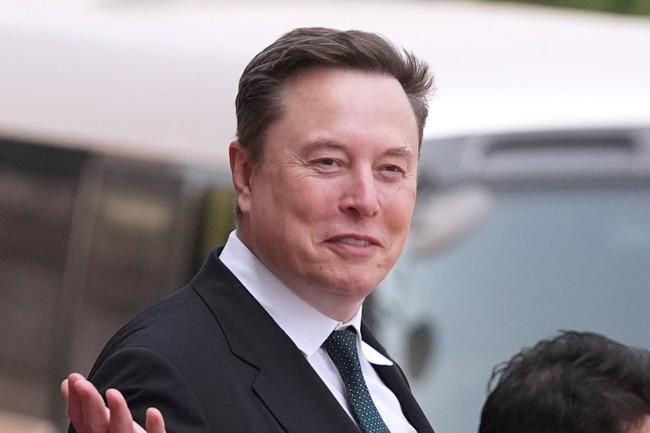
In a tense sit-down with The Economist’s editor-in-chief, Elon Musk forcefully rejected labels and defended common-sense positions on borders, safety, and spending while calling out the media’s disconnect from large swaths of the public.
The interview turned into a sparring match when Zanny Minton Beddoes suggested Musk’s views placed him on the far right. He pushed back, arguing that wanting secure borders and safer cities is a mainstream concern, not an extremist stance. Musk framed his position as a defense of Western legal and cultural norms rather than the promotion of radical ideology.
When the conversation shifted to immigration and cultural clashes, Musk said he was opposed to people bringing “antithetical views” that undermine established norms. He tied that stance directly to basic safety and rule-of-law principles, insisting these are not partisan talking points but matters of national stability. This cut to the core of his critique of modern liberal media coverage, which he suggested often misses that distinction.
“If people are coming to a country with antithetical views, I am against that,” he said.
“I’m against rape and murder, I’m against the imposition of rules and laws that are contrary to what we’ve come to accept in the West,” he continued, criticising the media for not understanding or reflecting this.
Beddoes pressed the point by reminding him he did not live in the U.K. and suggested many people there loathe him, attempting to undercut his authority on British affairs. Musk accepted that some people might indeed loathe him but made it clear he was unconcerned by personal animus. He used follower counts and public reaction as evidence that many people resonate with his message more than the interviewer expected.
“Maybe some people do loathe me, and that’s probably true. I don’t care,” he replied. He then pivoted from personal dismissal to a broader indictment of media credibility, arguing that distrust of news outlets runs far deeper than journalists want to admit. That line of argument is familiar to conservatives who feel mainstream news often operates as a political organ rather than a neutral reporter of facts.
https://x.com/EricLDaugh/status/2080371264359735724
“But the fact that, as you pointed out, a quarter of a billion people follow me, is that I think a lot more people actually like me than don’t. And I think a lot more people hate you and the media, more than you realize.”
The exchange read like a mic drop for those who see Musk as someone willing to confront elite institutions. He didn’t mince words about the media’s failure to appreciate or reflect the views of millions who want reasonably regulated immigration and safer communities. That bluntness challenges the idea that such positions are inherently extreme, framing them instead as common-sense priorities that have been dismissed by influential outlets.
Criticism of the media isn’t new, but the interview highlighted how a high-profile figure can leverage public attention to force a conversation about journalistic responsibility. Musk connected his own business accomplishments and public platform to a broader defense of free speech and civic norms. For many conservatives, his stance is evidence that Silicon Valley figures can still stand against perceived cultural overreach by institutions that long claimed moral authority.
The piece also hit on the cultural dimension of the fight: who gets to define acceptable views in a liberal Western democracy. Musk argued that preserving legal norms and protecting citizens from violent crime and social disintegration are not controversial priorities. To him, failing to defend those basics opens the door to political and social outcomes most people would reject once they understand the stakes.
Beyond the policy quarrels, the interview served as a reminder that public opinion isn’t neatly aligned with elite media narratives. Musk cited his massive following as proof that many citizens feel unheard and misrepresented. That point resonates with a Republican critique that the press often amplifies certain viewpoints while marginalizing voices that emphasize national security, fiscal prudence, or cultural continuity.
At the end of the day, the exchange underscored a persistent divide: a confident media establishment on one side and a public increasingly skeptical of its coverage on the other. Musk’s approach was unapologetic and direct, aiming to reframe the debate in terms of law, order, and the preservation of Western practices. For conservative readers, it offered a clear defense of those principles from a figure who mixes enormous technical achievement with outspoken cultural commentary.


Add comment