
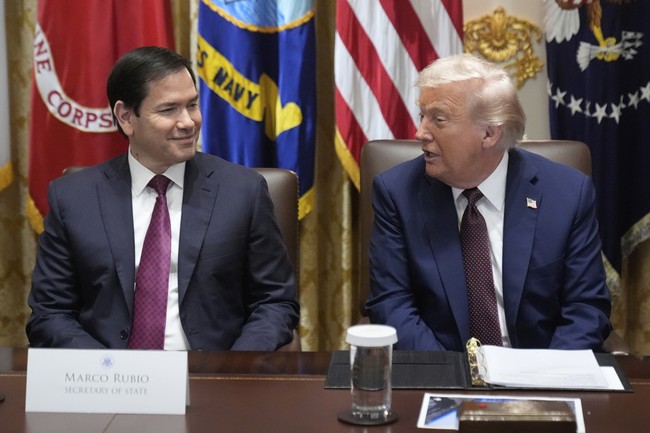
This Morning Minute surveys the day’s top political stories, the latest courtroom developments, what’s on the Hill and at the White House, and the meme culture surrounding this administration, blending quick takes, exact quotes, and a few lighter moments that have captured public attention.
Friday’s headlines are a mix of political theater and legal fights that matter to voters. A controversial backtrack from a California governor’s communications apparatus set off a chain of reactions, while a New York self-defense case highlights disputes over crime and firearm laws. These items together show the friction between state policies and public expectations.
The national scene also includes the Justice Department weighing in on longstanding federal gun regulations and appellate courts sorting complex habeas challenges. Those legal moves could have ripple effects on enforcement and litigation strategy across multiple jurisdictions. Court rulings rarely land quietly, and these ones are already provoking heated reactions from both sides of the aisle.
On Capitol Hill, lawmakers wrapped a three-bill spending minibus that covers multiple departments through September, marking a halfway point in FY26 appropriations. The Senate heads into recess with some fights left unresolved, notably over DHS funding and immigration enforcement. Meanwhile, the White House has a busy weekend planned with presidential events and international meetings that keep the administration in motion.
Below you’ll find the curated takeaways and direct quotations preserved as reported, followed by notes on cultural moments — because even in serious times, a meme or two can shape perception. The material that follows blends reporting and commentary focused on how these developments affect governance and public safety.
The first major political flashpoint involved a state chief executive distancing himself from comments issued by his own communications staff. The move sent a signal about who bears responsibility in a crisis, and it prompted commentators to call the maneuver opportunistic. One critique put it bluntly: “The man has no principle. Whichever way the wind is blowing, that’s the way he’ll turn.”
What do these two episodes tell you? 1) Don’t get in a foxhole with Gavin Newsom. When the bullets start flying, he’ll use you as a shield. Can’t imagine his press office is feeling too positive about now. 2) The man has no principle. Whichever way the wind is blowing, that’s the way he’ll turn.
A separate case in New York highlights the tension between self-defense and strict state gun rules. An elderly doorman was jailed for defending himself against an alleged mugger, and critics argue the state sided with the criminal rather than the victim. The episode has become a rallying point for those who contend that current laws make lawful self-defense a legal minefield.
New York State isn’t interested in protecting its own citizens. It is hyper-focused—ALWAYS—on the criminals. Foehner did everything right that fateful night he was approached by a career criminal. It was only what he failed to do in complying with New York’s draconian gun laws that cost him.
On the federal level, the Department of Justice’s Office of Legal Counsel issued a forceful opinion about a mail ban on certain handguns, declaring the statute problematic as applied to constitutionally protected firearms. The opinion frames the law as inconsistent with the nation’s traditions and raises constitutional questions that will play out in courts and legislatures. Predictably, the development has energized both advocates for gun rights and those who favor tighter controls.
Court dockets were busy this week with a notable split decision in an appellate panel dealing with immigration detention challenges. The panel vacated and remanded orders for lack of jurisdiction in one high-profile habeas matter, a result that underscores how technical rules of procedure can produce sweeping practical outcomes. At the same time, a district court enforced an injunction in a labor dispute over rescission of collective bargaining, showing the judiciary’s wide reach into policy fights.
Legislative action moved forward with a three-bill minibus passage that funds Commerce, Justice, Energy, and Interior through September. While the package buys time, many appropriations remain unsettled and will require lawmakers to make tough choices after the recess. The interim victory didn’t resolve the partisan standoff over border and DHS issues that will return with renewed intensity.
At the White House, the president plans a roundtable on rural health before heading to Palm Beach for meetings, including an international engagement with a visiting prime minister. The administration is also promoting a proposed $1.5 trillion defense budget, which the vice president publicly supports. Those priorities reflect a mix of domestic investment and strategic posture that the team wants to highlight for supporters.
Memes and image culture have become a surprisingly persistent part of how officials are seen, with an array of viral images circulating of cabinet members in informal moments. One widely shared image of the Secretary of State captured an expression that spawned countless jokes, and the vice president’s meme presence has taken on its own momentum. These lighter moments don’t change policy, but they do influence public perception and the tone of political debate.
Public commentary continues to hammer at what critics see as mixed messaging and inconsistent priorities from various state and federal officials. The conversation blends outrage over policy with amusement at the optics, creating a mix of anger and levity in the public square. That dual mood is evident across social platforms and traditional media coverage alike.
Legal developments and political theater together create a frenetic news cycle, and prudent observers should watch both the court rulings and the policy moves that follow. Those arenas will determine whether recent opinions and minibus funding measures translate into lasting change or simply another episode in ongoing partisan combat. Expect more decisions and disputes in the weeks ahead as courts and Congress keep busy.
Even as serious legal and budget matters unfold, memes keep the conversation human-sized and sharable, giving audiences a way to process tension with humor. They also serve as a reminder that politics is visual now as much as it is textual, and that image management can be a strategic asset or a liability. Officials who embrace or ignore that reality will shape how their actions are received.
Lighthearted moments punctuate the news, but the core debates here—about law, safety, and governance—remain central. Cases moving through the courts and spending fights on Capitol Hill will have real-world consequences for citizens and communities. Stay tuned for more rulings and political maneuvers that will push these issues forward in the coming days.
I guess if he were a goat, that’d be the …
Add comment