
The standoff at Newark’s Delaney Hall has turned into a public clash over access, rules, and political theater, as Democratic lawmakers and activists collide with Homeland Security and ICE over how congressional visits to detainees are handled. What unfolded were protests, denied entries, selective access granted after prior clearance, and a sharp response from DHS that laid out the visitation rules and detainee consent requirements. That reality check set off a flurry of social media posts, heated rhetoric from some members of Congress, and pushback from DHS leadership defending established procedures. The episode highlights tensions between lawmakers who want on-the-ground access and the department enforcing safety, privacy, and policy steps for visits.
Protests and scuffles erupted around Delaney Hall, drawing activists who have been vocal against ICE operations. Reports described chaotic scenes over several nights, with clashes between agents and protesters that involved pepper spray and arrests after confrontations escalated. Those actions made the detention center a flashpoint and prompted heightened scrutiny from both sides about what oversight looks like in practice.
One Democratic senator did get into the facility after coordinating with DHS in advance, illustrating the way the process can work when proper steps are followed. A DHS spokesperson confirmed that the senator called the department and was permitted entry to conduct oversight. That sequence underscores that there are clear channels to follow when members of Congress want to meet with detainees and staff on site.
Not every member of Congress took that route. A New Jersey representative attempted to enter Delaney Hall without completing the department’s required visitation process and then used social media to claim she was blocked from seeing detainees. Her public remarks urged detainees to sign privacy release forms so representatives could meet with them, suggesting a belief that access should be more immediate and less formalized than DHS policy allows.
Her tone included inflammatory language about those inside the facility, framing detainees as being “trapped,” which drew swift correction from Homeland Security. The department made clear that visits require detainee consent and advance notice to ensure detainees wish to participate and to allow staff to prepare. That procedural requirement exists to protect privacy and safety, not to prevent oversight.
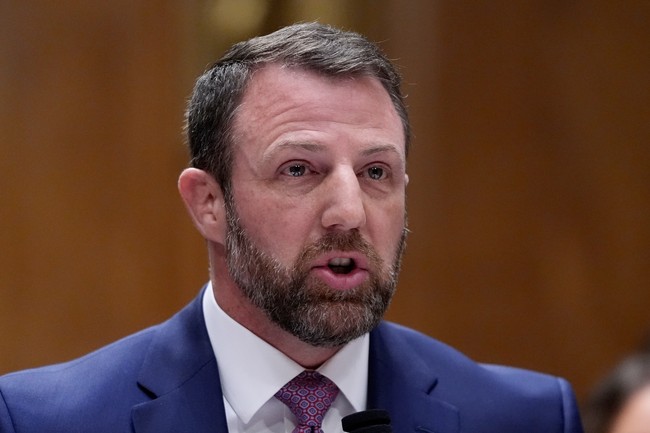
Secretary Markwayne Mullin shared the department’s position directly on social media, reposting the guidance about how congressional visits are arranged. The DHS statement spelled out that each office was advised of the steps required and that representatives were provided the ICE Facility Visitation Agreement when they checked in. Mullin’s post repeated that detainee consent 48 hours ahead is an internal policy to confirm willingness to participate and to give staff time to coordinate the visit.
https://x.com/SenatorAndyKim/status/2058933068161843216
The department emphasized that the privacy waiver form offered by facility staff is a practical step to help secure detainee consent and that the policy is internal, not a statutory requirement tied to the Privacy Act. The aim, DHS said, is twofold: ensure detainees want the meeting and provide staff adequate notice to arrange it safely and properly. That explanation was reposted by DHS to reach anyone who might have missed the initial statement.
Observers noted that the confrontation at Delaney Hall resembled a predictable script: activists and some elected officials push for immediate access, while the department insists on policies designed to protect detainees and staff. Social media amplified both sides, with supporters of the protesters calling the denials proof of obstruction and department officials labeling the complaints as misunderstandings of procedure. The result was a public argument over rules as much as a clash over policy.
The whole episode drew pop-culture comparisons from critics who suggested the protesters missed the written instructions at the facility, likening it to a classic comedy scene where expectations and reality collide. The comparison pointed to the simple fact that rules matter, and following them avoids needless conflict and confusion. When elected officials bypass or ignore established steps, it only heightens tensions with the agencies running secure facilities.
The situation at Delaney Hall shows how enforcement, oversight, and political theater can intersect in a charged environment. DHS insists on procedures that protect detainee consent and safety, and it will continue to require advance notice for visits while offering staff support to obtain that consent. The dispute isn’t just about access; it’s about whether members of Congress will respect the process designed to protect vulnerable people and maintain secure operations at detention facilities.
Editor’s Note: Democrat politicians and their radical supporters will do everything they can to interfere with and threaten ICE agents enforcing our immigration laws.


Add comment