
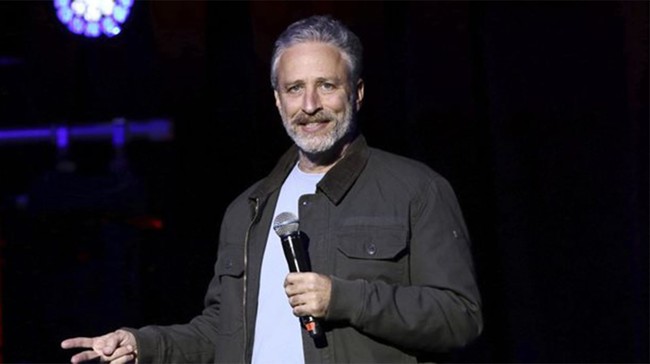
The liberal media is increasingly turning its fire on Democratic spending, with even longtime progressive voices publicly questioning whether more tax dollars are translating into results for everyday Americans.
Comedian and commentator Jon Stewart took aim at Democrats’ habit of asking for more money without a clear link between tax increases and tangible outcomes. He pressed San Jose Mayor Matt Mahan, a Democrat running for California governor, on why voters should trust another round of promises when past spending produced little measurable improvement. That exchange has opened a rare front where the media is calling out the party usually defended by those outlets. The criticism highlights growing taxpayer frustration with costly programs that underdeliver.
Stewart’s remarks stood out because he typically leans progressive and has defended Democratic causes, yet he did not shy away from blunt skepticism about fiscal competence. He focused on a core political problem: voters struggle to see how higher taxes create real public value. When a prominent media figure frames the issue like that, it amplifies what activists and fiscal conservatives have been saying for years about accountability and results.
Here is Stewart’s quote used in full to preserve his exact words:
“So, for Democrats, it’s always been interesting that they have had trouble connecting the money that they’re asking to raise through taxes to the value it’s providing to taxpayers. So, to the point of like there’s a lot of referendums up there now [California]. A billionaire’s tax or getting people that pay $100,000 not to have to pay any income tax. But I think too often the politicians haven’t connected that money to real value. I don’t think people trust that the money will be spent responsably or have any efficacy.”
California serves as the perfect case study for Stewart’s critique: repeated promises about housing, regulatory reform, ending homelessness, and affordability have produced headlines but not consistent, measurable improvement for residents. Politicians keep proposing new taxes and ballot measures while voters see little in return beyond more government bureaucracy. The result is cynicism about whether additional revenue will be spent responsibly or produce meaningful outcomes.
Many voters and civic watchdogs point to waste, mismanagement, and outright fraud uncovered in audits and investigations as reasons for distrust. When audits uncover billions in improper payments or programs that failed to deliver, those findings feed a narrative that higher spending without oversight simply pours money into broken systems. This is not a theoretical debate; it has real consequences for families who pay the bills and expect public services to work.
Mayor Matt Mahan has been presented as a contrast to entrenched state leadership, credited by supporters with some concrete steps in San Jose on issues like homelessness. Still, critics warn that individual successes at the city level do not erase larger patterns at the state level where promises frequently go unfulfilled. The question remains whether a governor from the same party can overcome systemic failures that persist across administrations.
On the statewide stage, Republican voices argue that accountability and better management must come before more revenue. Candidates emphasizing fiscal discipline and outcomes, rather than continual taxation, are gaining traction in some polls. That dynamic explains why figures like Steve Hilton and Riverside Sheriff Chad Bianco are generating attention as voters look for alternatives to the usual Democratic lineup.
Accountability advocates demand consequences when officials fail to safeguard taxpayer dollars, whether the failures stem from incompetence or corruption. Allowing officials to walk away from documented waste without political cost signals permission for future misuse, critics say. Those concerns animate campaigns pushing for audits, stronger oversight, and elected leaders willing to make unpopular choices to fix broken programs.
The larger lesson from this media moment is that messaging alone cannot paper over flawed policy outcomes. When even sympathetic commentators publicly question the link between taxes and results, Democrats risk losing credibility with voters who want to see a return on their investment. That political pressure makes it harder to pass new spending plans without demonstrable reforms attached.
Meanwhile, internal debates within the Democratic coalition about priorities and tactics are becoming more visible as campaigns ramp up and the primary season approaches. The scramble for endorsements, donor support, and media attention often distracts from delivering results, which voters notice. If momentum builds behind candidates who promise real reform rather than more spending, the political map could shift in ways the party has not faced in recent cycles.

Add comment