
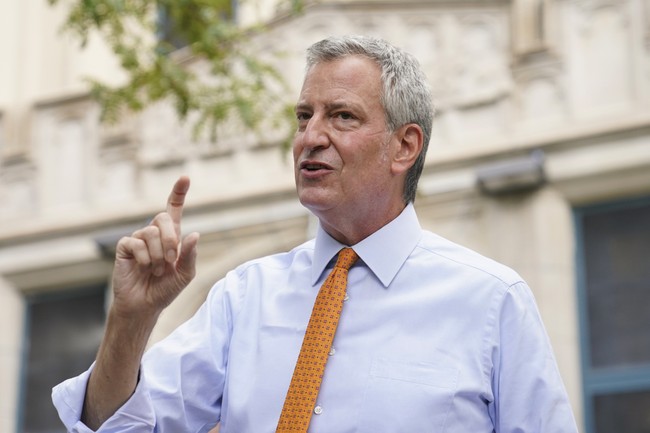
This piece looks at a late-stage shift from a longtime left-liberal ally, Bill de Blasio, who now says Zohran Mamdani’s spending plans “don’t add up,” and it examines the practical and political obstacles behind the proposals being sold to New Yorkers in the final week before the mayoral election.
Oh My: Look What Bill de Blasio Just Said About His Ally Mamdani’s Plans ‘Not Adding Up’
With the New York mayoral election days away, Zohran Mamdani remains a leading candidate while criticism swirls about his agenda and experience. Voters are hearing about bold promises like universal childcare, free buses, and city-run grocery stores, but many are asking how any of this will be paid for. The debate is no longer just about ideology; it’s about whether the numbers and politics can actually deliver those promises.
Bill de Blasio, who once backed Mamdani, has publicly reassessed the proposals and raised concrete doubts about the math behind them. “While the ambition is admirable, the cost estimates — reportedly exceeding $7 billion annually — rest on optimistic assumptions… about eliminating waste and raising revenue through new taxes,” de Blasio told The Times. “In my view, the math doesn’t hold up under scrutiny, and the political hurdles are substantial.”
That quote carries weight because de Blasio is not from the right; he is a fixture of the liberal establishment that helped shape the city for years. If he now questions the fiscal assumptions, that should trigger pause for anyone ready to accept sweeping new spending without realistic plans to fund it. De Blasio’s point shifts the conversation from rhetoric to the hard reality of balancing budgets in a big city.
Mamdani’s campaign released an estimate suggesting a price tag around $10 billion a year for the full slate of proposed programs, a number that includes free buses, universal childcare, city-run grocery stores, rent freezes, and sweeping education changes. The campaign’s funding ideas include a 2 percent tax hike on incomes above $1 million and raising the corporate tax rate to 11.5 percent. Those are big asks that would require cooperation beyond City Hall.
The catch is political, not just numerical. Major portions of the funding would require approval from Albany and from Governor Kathy Hochul, who has publicly pushed back against new taxes on businesses and high earners. Even occasional signals that she might look for alternative funding do not erase the fact that passage of these measures would face serious resistance in state government.
That’s the crux of de Blasio’s “political hurdles” observation: proposing revenue increases is one thing, getting them across the finish line is another. New York’s legislative and executive branches do not always move in sync with the mayor’s office, especially when tax policy is at stake. Voters should weigh not just the promises but the feasible path to deliver them.
Beyond funding logistics, critics point to a broader issue of authenticity and readiness. Some question whether Mamdani has the practical experience to run a large, complex city in crisis and to navigate the interlocking institutions that control budgets and services. When leadership faces reality, it requires both a credible plan and political capital to execute it.
Prominent voices outside the conservative sphere have registered skepticism as well. Larry Summers called the agenda in July “Trotskyite economic policies,” highlighting a worry that the proposals could destabilize economic foundations if implemented hastily. That kind of critique from a mainstream economist emphasizes the stakes, whatever label is attached to the proposals.
New Yorkers weighing candidates this late in the campaign have to consider both the appeal of sweeping change and the likelihood of achieving it. Ambition without a workable funding strategy risks unmet promises and strained municipal finances. An informed choice involves looking past slogans to the policy mechanics and political realities.
The final days before the vote will focus on trust and competence: can a candidate translate campaign claims into sustainable policy, and will Albany and local institutions cooperate? De Blasio’s reversal on the feasibility of the numbers adds a surprising degree of official skepticism that voters should not dismiss lightly. It’s not just a debate over ideas; it’s a debate over who can actually deliver results in New York City.
Editor’s Note: The Schumer Shutdown is here. Rather than put the American people first, Chuck Schumer and the radical Democrats forced a government shutdown for healthcare for illegals. They own this.
Add comment