
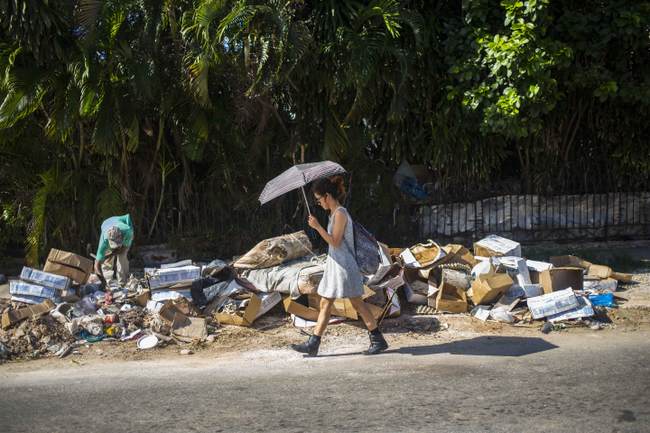
This article examines a recent island-wide blackout in Cuba, its impact on millions of residents, the long-standing struggles of the country’s electric grid and fuel supply, and political reactions framing the outage as another example of how communist governance fails to provide basic services.
How’s Communism Work? Like This: Cuba Goes Dark As Island Nation Hit With Massive Blackout
Cuba experienced a nationwide blackout that left roughly 10 million people without power, plunging homes, hospitals, and public services into darkness. The outage is part of a pattern of rolling and extended blackouts tied to an aging grid and dwindling fuel reserves. Officials say the cause is under investigation as the country’s electrical system continues to degrade.
Grid operator UNE confirmed it was probing the collapse of the national electric grid while technicians worked to restore service. Cuba has endured hours-long and even days-long outages for months, with fuel supply problems contributing to the instability. The blackout came at a bad moment, right in the middle of the Caribbean summer when heat and humidity magnify the human toll of losing electricity.
“BREAKING: Cuba has been hit by another island-wide blackout, leaving roughly 10 million people without power.”
https://x.com/FoxNews/status/2074185336322699327
“Officials say the cause is under investigation as the country’s aging electric grid continues to struggle and fuel reserves run low.”
“It’s the second nationwide blackout this year, with hospitals and critical services among those impacted as Cuba faces an ongoing energy crisis.”
The shutdown hit critical infrastructure hard, forcing cancellations of medical procedures and straining facilities that rely on continuous power. Hospitals and emergency services scrambled to rely on backup generators, and those resources are limited in both capacity and fuel. For many residents the blackout simply compounded daily hardships caused by a long-running economic crisis.
Months of intermittent power have already disrupted work, schooling, and commerce across the island, making life unpredictable and dangerous in extreme heat. Nearly two-thirds of the country was reportedly without power when the grid collapsed on Monday, intensifying the scale of the emergency. Cuba’s decades-old system has been patched and propped up for years, but officials now confront failures that go beyond routine maintenance.
Officials and outside observers note that Cuba’s energy woes have roots in both domestic infrastructure decay and interruptions in fuel deliveries. Fuel reserves have been affected by international pressure and sanctions, and by logistical challenges tied to the island’s economic model. As supply lines thinned and equipment aged, the grid’s capacity to absorb failures diminished until a cascade of outages produced a nationwide blackout.
As the political temperature rises around these failures, reactions in the United States framed the blackout in ideological terms. Statements from some quarters argued the crisis reflects the predictable consequences of a communist system that cannot deliver reliable utilities. Those political critiques tied the outage to broader debates about governance, policy, and the role of the U.S. in applying pressure on the Cuban regime.
“Grid operator UNE said it was investigating the cause of the nationwide blackout.”
“Cuba has for months suffered from hours-long, and more recently, days-long power outages linked in part to a decrepit grid and a U.S. imposed oil blockade that has cut off the island’s fuel supply.”
Coverage from observers on both sides of the political aisle highlighted immediate humanitarian concerns while also tracing responsibility back to systemic decisions made over decades. Critics pointed to mismanagement and chronic underinvestment in infrastructure as central failures of the ruling system. Supporters of tougher policy measures argued that economic pressure should remain if the regime resists reforms and continues to prioritize elite privileges over basic services.
Cuban citizens coping with the blackout faced practical questions about food preservation, water pumping, and public safety in the hours after power was lost. The timing amid peak summer heat made conditions especially miserable and potentially dangerous for vulnerable populations. Restoring power is a technical challenge and a political one, with authorities under pressure to provide quick fixes while also acknowledging deeper structural shortcomings.
“The nationwide outage is more bad news for Cubans already exhausted from rolling blackouts that make it impossible for many to work or sleep in the Caribbean summer heat.”
“Cuba has frequently struggled to keep the lights on during a years-long economic crisis but the Communist-run government has entered unprecedented territory under increased pressure from U.S. President Donald Trump.”
“Nearly two-thirds of the country was already without power when the grid collapsed on Monday.”
White House and other official responses emphasized the humanitarian dimensions and criticized the Cuban government’s handling of essentials. Commentary from conservative outlets framed the blackout as evidence that communist governance fails to secure basic needs for ordinary people. Meanwhile, international monitors and aid groups urged calm and prioritized steps to protect the ill and maintain essential services until full restoration is possible.
Social media posts amplified the crisis, with some messages combining outrage, worry, and partisan commentary about the regime and broader ideological struggles. Many users expressed anger at the visible consequences of long-term mismanagement and the immediate suffering of families and medical facilities. Online reactions ranged from calls for assistance to harsh denunciations of the political system blamed for the breakdown.
Emergency crews and utility workers faced a complex recovery task: diagnose the trigger, stabilize generation and transmission, and allocate scarce fuel and repair resources across a whole nation. Restoring reliable electricity will take time and coordinated effort, and political leaders may find the public patience for temporary fixes is short. The event underscores how infrastructure failure can quickly become a national crisis when systems are brittle and reserves are low.

Add comment