
I’ll argue why the CBC’s new guidance on describing 9/11 is wrong, explain the factual record about what happened on September 11, 2001, note the implications for journalism and U.S.-Canada relations, quote the CBC memo and spokespeople exactly as presented, and place preserved embed tokens where they originally appeared.
A major Canadian public broadcaster telling its staff not to call the September 11 attacks “terrorist attacks” feels like an offense, not a fresh take on neutrality. From a Republican perspective, this is not subtle wordplay or balance; it is a denial of intentional violence and an affront to the memory of nearly 3,000 Americans who died that day. Journalism that scrambles language to avoid upsetting sensitivities ends up protecting perpetrators and confusing the public.
The guidance reportedly instructs reporters to call the event “The hijackings [that] led to passenger jet crashes” instead of using the word terrorist. That phrasing reduces a premeditated, coordinated campaign of murder to a passive sequence of events, as if fate or accident, not murderous intent, were responsible. For those who lost family members, or who fought in the aftermath, this is not semantics — it is erasure of responsibility.
Good journalism tells the truth plainly and gives readers the context to judge actions and motives. Avoiding terms like terrorist and terrorism because they are “loaded with meaning, politics and emotion” understates the ethical duty of a news organization to convey reality. If words are too heavy to use, the only option is not to dodge them but to explain them clearly, anchoring coverage in verifiable facts and known actors.
The Canadian Broadcasting Corporation instructed its staff not to refer to the killings on 9/11 as “terrorist attacks” ahead of its coverage of the 25th anniversary, according to an internal memo.
The public broadcaster reaffirmed that it would avoid using words like “terrorist” and “terrorism” when describing events, directing its staffers to follow the longstanding company policy that previously landed them in hot water during their Oct. 7, 2023, coverage.
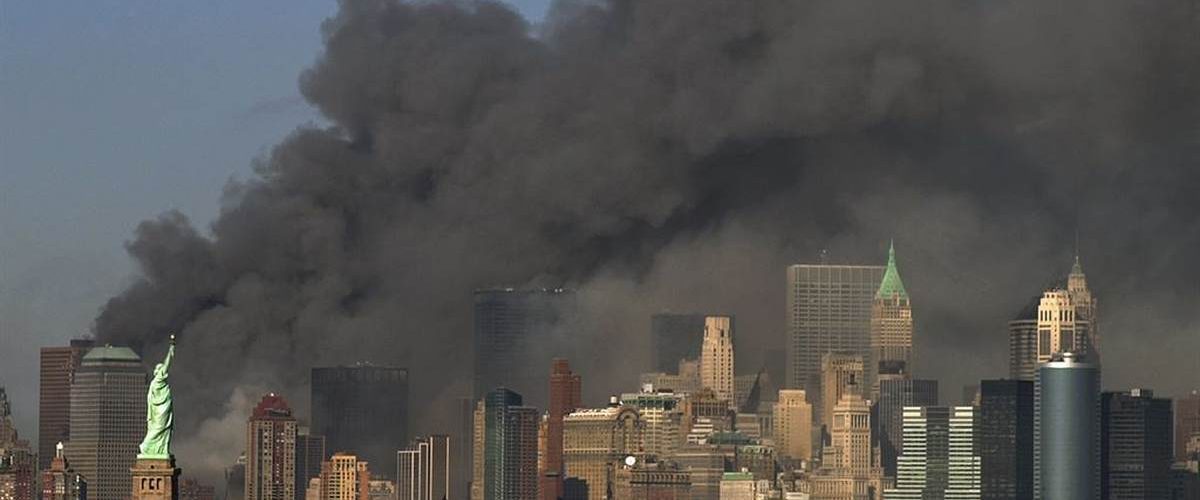
“Do not refer to the Sept. 11 attacks as terrorist attacks,” the memo read. “The hijackings led to passenger jet crashes in Washington, D.C., Pennsylvania and Manhattan. The World Trade Center (WTC in second reference) was destroyed.”
The posturing that language should be neutered to preserve impartiality ignores how facts shape public policy and security. The 9/11 plot was carried out by al-Qaeda operatives who trained, funded, and planned an assault that targeted American symbols and civilian lives. Calling it anything other than a terror attack clouds responsibility and makes it harder to learn lessons and prevent future threats.
The CBC’s own spokesman framed the policy as an attempt at disciplined neutrality, saying reporters should “bear witness” while avoiding designating groups or acts as terrorism. That explanation sounds reasonable until you realize it yields the moral high ground to murderers by refusing to use terms that accurately describe premeditated political violence. Neutrality cannot be a shield for moral relativism.
“Our focus is to report the facts of such atrocities with accuracy, clarity and detail; to convey the scale and scope of violent acts wherever they occur; to quote the people affected, and to convey the views of officials and experts on these events. We bear witness,” Kerry Kelly, a public affairs spokesperson for CBC, told The Post.
“But CBC News does not itself designate specific groups as terrorists, or specific acts as terrorism, regardless of the region or the events, because these words are so loaded with meaning, politics and emotion that they can end up being impediments to our journalism.”
https://x.com/HouseGOP/status/2093003947447288277
The historical record is clear: these were not accidental crashes. Aircraft were commandeered and deliberately flown into the World Trade Center and the Pentagon, and one aircraft was downed in Pennsylvania after passengers fought back. Leaders such as Osama Bin Laden and Khalid Sheikh Mohammed planned and directed an operation intended to terrorize civilians and alter international politics through violence.
Saying “crash” implies an unintended event, which is a false framing in this case. The motive and planning behind 9/11 are central facts, and euphemisms erode the ability of citizens and policymakers to assess threats. If a news outlet refuses to name the act, it also refuses to place blame and to inform readers about the ideologies and networks responsible.
This guidance also has diplomatic sideshows. When a major foreign broadcaster soft-pedals violence against Americans, it creates friction at a time when relations and trade already face strain. Words matter in international discourse; avoiding precise language about attacks on U.S. soil sends the wrong signal to grieving families and to allies who rely on clear-eyed reporting.
Journalists and editors committed to accuracy should push back on any policy that mangles facts to appear neutral. Readers deserve reporting that names perpetrators and motives, lays out evidence, and lets audiences draw conclusions without being nudged by word choices that downplay malice. Honest language respects victims and strengthens democratic debate.
This is not about cheap patriotism; it’s about refusing to rewrite the record and about insisting that major outlets, even public ones, describe violent campaigns for what they are: intentional attacks designed to terrorize and to kill.
Add comment