
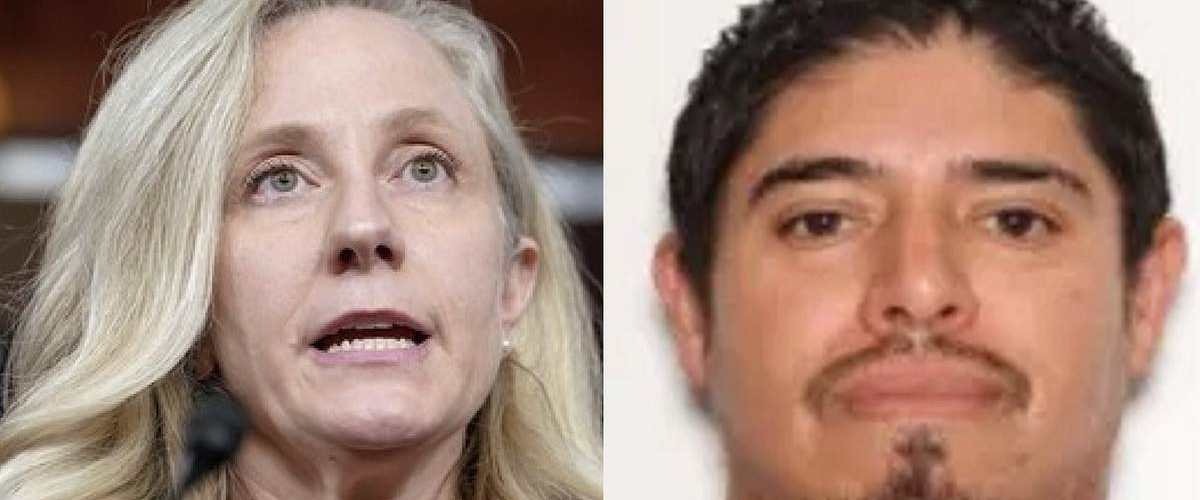
This article examines ICE’s public request that Virginia Governor Abigail Spanberger not release a man charged with more than 20 child pornography counts, the broader clash between state sanctuary policies and federal immigration enforcement, and the political stakes for a governor who campaigned as a moderate but has adopted sanctuary-style positions.
Governor Abigail Spanberger ran as a moderate but her actions in office have made her a lightning rod for critics who say she’s moved left on law enforcement and immigration. Conservatives argue that her approach risks public safety by prioritizing sanctuary policies over cooperation with federal authorities. The recent case involving a man charged with an extensive slate of child pornography offenses has sharpened that argument and given critics fresh ammunition.
ICE has publicly asked Spanberger not to release the suspect, citing a lengthy list of alleged crimes. The charges reportedly include multiple counts of possession, production, reproduction, and distribution of child pornography, with some allegations involving victims under 15. That level of accusation understandably alarms parents and law enforcement officials who expect state leaders to work with federal partners to keep dangerous people off the street.
Virginia residents deserve straightforward answers: will their governor side with federal law enforcement or with sanctuary policies that can obstruct deportation and detention? When a suspect faces more than 20 counts tied to crimes against children, the public expects a preference for protecting kids, not shielding alleged offenders. Critics point out a pattern where cooperation with ICE becomes limited and local detainer requests are treated as optional.
https://x.com/NickMinock/status/2092997909117595905
Spanberger’s critics note that her strained relationship with ICE is not new and that previous incidents set the tone for how this situation would unfold. ICE made an earlier public statement blasting the governor, accusing her office of enabling criminal releases. Those public barbs have turned what should be a legal and administrative dispute into a political fight where voters are forced to pick a side on public safety.
One especially pointed public quote claimed: “After this criminal alien serves his sentence for MURDER, Governor Spanberger will release him back out onto Virginia’s streets, saying that ICE needs a signed ‘judicial warrant’ to detain him.” That statement went on to assert that state officials are required to honor ICE detainers and called the governor’s position “asinine and legally illiterate.” Such rhetoric escalates tensions and frames the governor as standing opposed to federal law enforcement in the eyes of many voters.
Supporters of cooperation with federal authorities emphasize the statutory basis for ICE detainers and the practical consequences when local jurisdictions ignore them. They worry a pattern of noncompliance creates safe havens for repeat offenders and undermines public confidence in criminal justice across state lines. From their perspective, this recent child exploitation case is emblematic of the stakes involved.
Spanberger and her allies argue their policies protect immigrant communities from overreach and wrongful detention, claiming that local law enforcement should not be deputized for federal immigration enforcement. That position resonates with voters who fear public-safety actions might lead to civil-rights violations or community mistrust. But when allegations involve the sexual exploitation of children, skepticism grows among voters who prioritize immediate safety and strict enforcement.
There are practical questions beyond politics: how will prosecutors, sheriffs, and the governor coordinate if the state resists detainer requests? Will legal battles over jurisdiction delay deportation or prosecution and potentially allow dangerous suspects to reenter communities? Those process-oriented problems are often the reason cooperation between state and federal agencies is emphasized by law-and-order advocates.
The narrative now centers on accountability. If the governor opts to ignore ICE’s request and the suspect is released, critics will demand a public explanation and accountability from her office. Conversely, if her administration honors the detainer, it could undercut the criticism that she’s shielding criminal noncitizens. Either outcome carries political consequences, but in a state where public safety is a top concern, many voters want to see a clear preference for protecting children and enforcing laws.
This issue also plays into broader national debates about sanctuary policies and the proper balance between protecting immigrant communities and enforcing federal immigration law. In Virginia, it becomes a local referendum on Spanberger’s priorities and willingness to cooperate with federal enforcement. For Republicans and independents focused on crime and safety, the case is likely to be a defining example of the governor’s record.


Add comment