
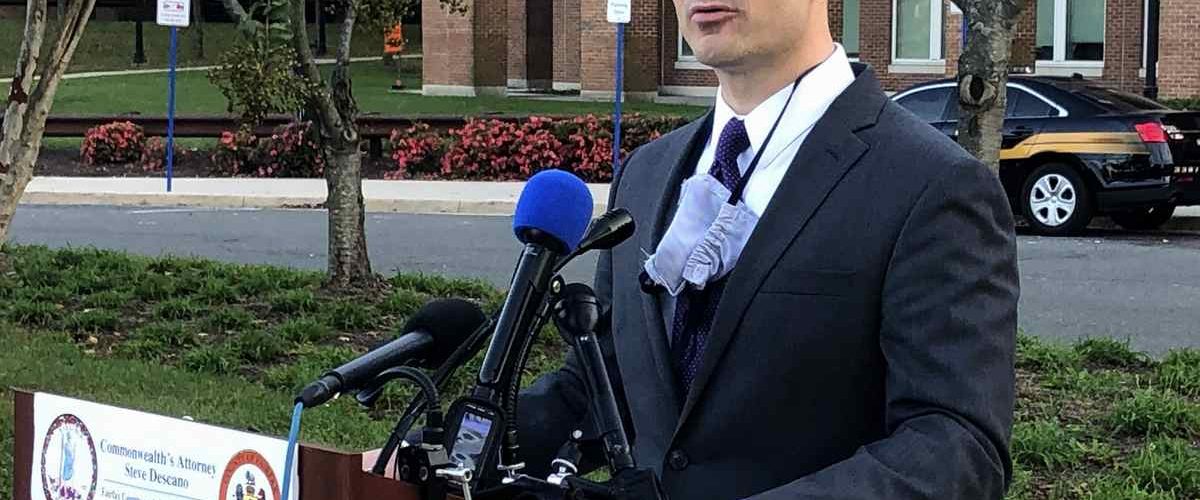
This article examines the growing recall effort against Fairfax County Commonwealth’s Attorney Steve Descano after the fatal stabbing of Stephanie Minter, the role of prosecutorial policies toward noncitizen defendants, the concerns raised by victims’ families, and how this controversy has drawn federal scrutiny and local political backlash.
Steve Descano, elected as Fairfax County’s top prosecutor, built a reputation on criminal justice reform and on prioritizing certain outcomes over aggressive charging in some cases. That reputation is now colliding with the raw grief and anger of families who say policy choices translated into deadly consequences. The central complaint is that defendants with extensive criminal histories were not charged or detained in ways that would have prevented further violence.
Cheryl Minter, whose adult daughter Stephanie was stabbed to death at a Fairfax bus shelter, has become the public face of the pushback. Griffiths of grief quickly turned into organized action when she launched a petition and aligned with a victims’ rights group to demand Descano be recalled. Her campaign focuses on a sequence of missed opportunities where the system, she says, failed to protect her daughter.
According to the case details presented by family members and public records, the accused, Abdul Jalloh, had a lengthy arrest history and had faced serious charges in prior incidents. Those records include allegations such as sexual assault and other violent offenses, which raised alarms among law enforcement and victims’ advocates. Family members argue that repeated contacts with the criminal justice system should have led to more decisive intervention.
Critics point to internal charging policies that encouraged prosecutors to consider immigration consequences when deciding how to proceed. Descano’s prior campaign language included the assertion that unequal punishment driven by deportation risk would be unjust, a stance that opponents now cite as leading to lenient outcomes for noncitizen defendants. That policy emphasis has prompted questions about whether public safety was deprioritized in some prosecutions.
The Justice Department has taken notice and opened an inquiry into whether charging practices produced preferential treatment for defendants based on immigration status. That federal review does not amount to a finding of wrongdoing yet, but it does signal serious concern from higher authorities about whether prosecutorial discretion was applied fairly and in the interest of safety. Local families see that investigation as vindication of their worries.
Cheryl Minter’s public statement captures the emotional stakes: “My grandson will grow up without his mother because the system that was supposed to protect her protected a criminal instead.” Those words have fueled community outrage and helped the recall petition gather momentum. Minter’s message to neighbors has been raw and direct: “Thirty times the system had a chance to stop him. Thirty times.”
https://x.com/Change/status/2092987351198757317
Beyond this one case, the controversy has prompted broader debates about how prosecutors balance reform-minded goals with the responsibility to protect victims and the public. Supporters of reform argue that reducing incarceration and focusing on equitable practices are valid aims, while critics argue that those goals must never override basic public safety. In Fairfax, that tension has moved from policy memos into public hearings and petition drives.
The recall effort is gathering signatures and attention from communities unsettled by what they describe as preventable tragedies. Advocates for victims’ rights say the recall is about accountability and restoring confidence in the system that is meant to deter and punish serious offenders. The initiative reflects a belief that elected prosecutors must answer directly to voters when policy choices appear to correlate with rising harm.
Descano’s supporters counter that prosecutors need discretion to pursue justice in complex cases and that framing cases solely around immigration status risks unfairness and scapegoating. They caution that snapping back to punitive defaults could undermine reform gains and disproportionately harm vulnerable populations. Still, families caught in the aftermath of violent crimes say nuance rings hollow when a loved one is gone.
Local politics are now intersecting with the grief of victims and the policy debates of criminal justice reform, setting the stage for a contentious recall campaign. The coming weeks will determine whether signatures translate into a ballot question and, ultimately, whether voters decide to remove an elected prosecutor whose approach they see as out of step with community safety expectations. Meanwhile, the federal inquiry will continue to press on the question of whether policies produced unintended, dangerous outcomes.
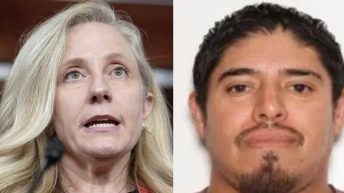
After her daughter Stephanie was fatally stabbed at a Fairfax County bus stop in February, Virginia resident Cheryl Minter launched a petition calling for the recall of Fairfax County Commonwealth’s Attorney Steve Descano. Minter says Descano’s office had multiple opportunities to more aggressively prosecute Abdul Jalloh, the man charged with Stephanie’s murder, before the killing. Jalloh had been arrested more than 30 times and had faced charges that included rape, malicious wounding, and assault.
DHS says Jalloh entered the country unlawfully in 2012 and was later released from ICE custody after a judge ruled that he could not be returned to Sierra Leone. In a Washington Times op-ed about her campaign, Minter points to Descano’s written charging policy directing prosecutors to consider the immigration consequences defendants could face. She argues that the policy reflects an approach that was too lenient toward defendants like Jalloh. The Justice Department is investigating whether the policy resulted in preferential treatment for defendants without legal immigration status but has not reached any conclusions.
“My grandson will grow up without his mother because the system that was supposed to protect her protected a criminal instead,” she writes.
More than 11,000 people have signed her petition seeking Descano’s recall.


Add comment