
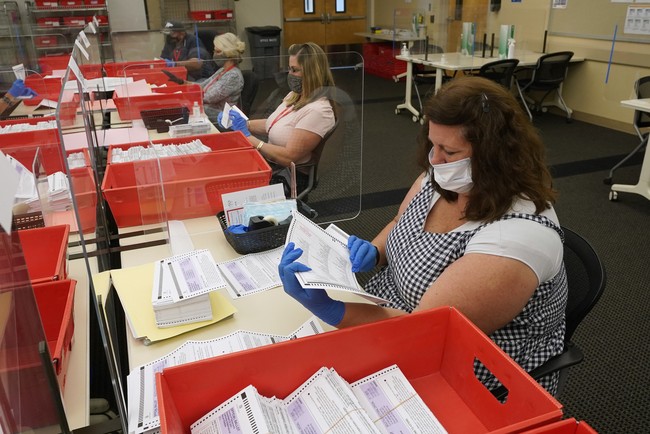
This article examines the controversy around California’s vote-by-mail counting timeline, recent statements from national leaders, and federal scrutiny of election integrity in the state. It reviews public comments from President Donald Trump and federal prosecutors, the mechanics of California’s postmark and counting windows, and on-the-ground actions taken by federal law enforcement in Los Angeles. The focus is on structural concerns raised by investigators and political figures about how the current system affects public confidence in outcomes.
California’s system mails ballots to every registered voter and accepts them if postmarked by election day, even when they arrive up to seven days later. After that seven-day window closes, counties may take an extended period to complete counting, and state rules can allow another month for final tallies. That stretched timeline fuels frustration for people who expect timely results and increases suspicion among those already skeptical of one-party control.
https://x.com/TrumpTruthOnX/status/2062690532208578853
Watch California, everybody! Our Election process is as bad, or worse, than any Third World Country. The biggest difference is, they count their Votes much faster — They don’t wait seven days to tell you who won, rigging the Election during each and every one of them. Americans are ashamed of what is happening! President DONALD J. TRUMP
( TruthSocial: Jun 4 2026, 8:17 PM ET )
Those words from the president landed hard in a state already criticized for centralized election policies and relaxed identification rules. Local officials pushed back, insisting the system is secure and that extended counting is a byproduct of mail-in volumes and legal deadlines. The political pushback did not quiet calls for more transparency, and the rhetoric signaled federal actors to take a closer look.
Federal prosecutors publicly noted they are reviewing election procedures and pursuing investigative leads. Officials argue California’s universal mail policy combined with minimal ID checks creates vulnerabilities that deserve probing. That stance echoes concerns about registration rolls, the verification of voter eligibility, and whether the state has been cooperative when asked for data or audits.
On the ground in Los Angeles, federal presence has been visible at vote processing centers, where investigators asked questions and observed operations. Those visits are not routine and reflect the seriousness with which authorities are treating suspected irregularities and systemic weaknesses. Local staff engaged with the visitors but provided limited comment in public forums, heightening the sense that this is an unfolding federal effort.
Public statements from federal attorneys emphasize a commitment to investigate any credible allegations of fraud and to secure confidence in elections. That includes coordination with federal agencies and efforts to audit voter rolls for accuracy. When prosecutors say they will “follow the evidence wherever it leads,” it raises the stakes for state officials who have resisted deeper verification steps.
Protecting the integrity of California’s elections is a top priority for my office.
California’s election system has serious structural vulnerabilities. Universal vote-by-mail with no voter ID requirements creates conditions where fraud can go undetected and unpunished, eroding public confidence.
Without commenting on any specific investigation, my office has multiple election fraud investigations underway in coordination with @FBILosAngeles. We will follow the evidence wherever it leads and prosecute any violations of federal election law to the fullest extent.
My office is also working closely with @AAGDhillon to conduct a comprehensive audit of California’s voter rolls. The state has stonewalled every effort to verify that only eligible U.S. citizens are registered to vote. This case is now before the Ninth Circuit Court of Appeal.
My office will not look the other way. We will investigate and prosecute. Every legal vote deserves to be counted. Every illegal vote cancels one out.
Accounts of targeted registration fraud allegations—such as claims that individuals were paid to register others—are being evaluated alongside broader structural reviews. Investigators have cited specific incidents while also stressing the need for systemic fixes that prevent future abuse. That mix of case-level work and policy scrutiny is meant to both address alleged criminal acts and push for stronger safeguards.
Local officials who have championed universal mail ballots argue those measures increase participation and accessibility for voters who cannot make it to polling places. Supporters see the system as modern and inclusive, pointing to high turnout figures as evidence it works. Critics counter that accessibility must be balanced with security and verification to maintain trust in outcomes.
Federal involvement in state election processes is always sensitive, and the balance between oversight and local control is politically charged. But when top prosecutors publicly announce probes and visit counting sites, the message is clear: questions about procedure and verification will not be ignored. For those demanding reform, that visibility is a necessary start toward restoring confidence.
What happens next will depend on the evidence investigators develop, the responsiveness of state officials to audit requests, and any legal challenges that move through the courts. Meanwhile, the primary counting timeline in California continues to play out under a heightened spotlight, and both policy debates and criminal inquiries are likely to shape reforms going forward. Change may follow, but it will come through legal processes and public pressure rather than rumor or speculation.

Add comment