
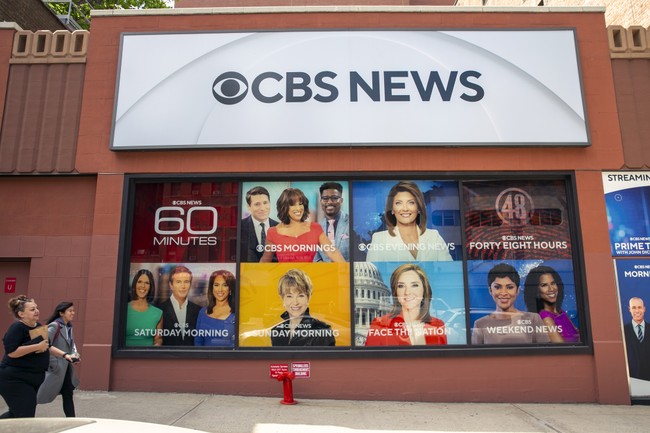
Bari Weiss, newly in charge at CBS News, publicly answered George Clooney’s critique with a pointed, confident invitation that highlights newsroom standards and accountability; her move and the surrounding back-and-forth touches on editorial judgment, network settlements, and cultural friction between Hollywood opinion-makers and newsroom leadership. The exchange centers on Weiss pulling a 60 Minutes piece because it needed more work, Clooney’s broad condemnation of newsroom decisions, and Weiss’ cheeky reply inviting him to see how a newsroom operates. This article lays out the timeline, the statements, and the wider context in clear, direct terms from a conservative perspective.
Since arriving at CBS News, Bari Weiss has been clear about one priority: editorial standards matter. She pulled a 60 Minutes segment about conditions in a foreign prison because, she said, it wasn’t ready and required more context and voices. That decision drew criticism from some corners, including a public jab from actor George Clooney, turning a routine newsroom choice into a cultural dust-up.
Weiss explained her rationale directly: “My job is to make sure that all stories we publish are the best they can be. Holding stories that aren’t ready for whatever reason — that they lack sufficient context, say, or that they are missing critical voices — happens every day in every newsroom,” Weiss’ statement read. “I look forward to airing this important piece when it’s ready.” Her emphasis is on accuracy over speed, and on building trust by not rushing pieces to air before they are complete.
Actors and filmmakers often speak about politics and media, but that does not make them newsroom experts. George Clooney used a high-profile interview to claim Weiss was “dismantling CBS,” tying his critique to broader complaints about how networks handled legal challenges and settlements. His remarks referenced the network’s relationship to lawsuits and suggested a causal link between settlements and corporate decisions, a claim offered without direct evidence in public commentary.
Weiss answered Clooney with a blend of wit and professionalism that underscored the gap between celebrity commentary and newsroom reality. “Bonjour, Mr. Clooney! Big fan of your work,” Weiss’ statement shared by the CBS parent company Skydance read. “It sounds like you’d like to learn more about ours.” She extended an invitation to visit the CBS Broadcast Center during the holidays while she works on relaunching the Evening News, and added, “Tune in January 5.”
The exchange exposed two competing instincts: Hollywood’s eagerness to critique institutions from the outside and a newsroom leader’s duty to defend internal processes. Weiss’ response wasn’t defensive in the usual way; it was an offer to let Clooney see how journalism functions when it’s being rebuilt. For conservatives and media-watchers who distrust celebrity interventions, that invitation landed as a smart, composed rebuttal.
Clooney also criticized networks that settled lawsuits, claiming CBS and others should have fought harder. “If CBS and ABC had challenged those lawsuits and said, ‘Go, [..] yourself, we wouldn’t be where we are in the country,” Clooney said. “That’s simply the truth.” His remark plays into a narrative that legal settlements are a kind of capitulation, but it overlooks the complex legal and corporate considerations that lead companies to resolve disputes without protracted court fights.
The backdrop here includes corporate mergers and leadership changes that shifted ownership and direction at major media outlets. Paramount’s sale to Skydance closed with new leadership that brought Weiss onboard, and that corporate reshuffle is part of why the conversation about editorial direction and accountability has become so public. These are not just personality clashes; they reflect real changes in who decides what viewers see.
From a Republican viewpoint, the episode reinforces two points conservatives often make: media institutions need leaders who prioritize accuracy and independence, and cultural elites should not assume their moral authority gives them a special claim on how newsrooms should operate. Weiss’ measured approach — holding a story to protect accuracy and inviting a critic to observe the process — is a practical demonstration of those principles.
The Clooney-Weiss moment also draws attention to how easily public discourse is shaped by celebrity declarations that lack newsroom context. When stars speak, their words travel fast, but newsroom work moves at a different tempo, bound by sourcing, standards, and legal concerns. Weiss chose to highlight that difference rather than match rhetorical heat with heat, and that strategy has resonance for anyone interested in the future of trustworthy journalism.
Ultimately, the spat shows that accountability in media can be both firm and civil. Weiss’ move to pull a report for further work is a reminder that the best defense of journalism is the work itself, not theatrical takedowns. Inviting critics to see the process undercuts grandstanding and reframes the argument around facts and procedures rather than personalities.



Add comment