
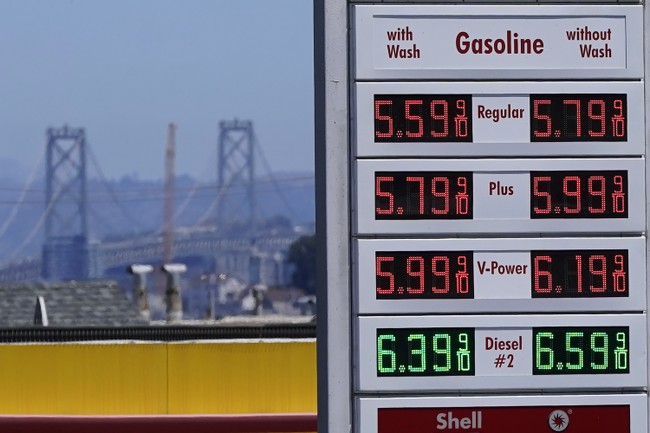
This article explains why the EPA’s temporary nationwide E15 waiver matters for drivers, how ethanol blends affect fuel economics and mileage, the limits of the waiver, and why increasing refining capacity remains the core long-term solution for reliable, affordable fuel.
The EPA under Administrator Lee Zeldin granted a temporary emergency waiver allowing nationwide sales of gasoline blended with 15 percent ethanol, known as E15, beginning May 1, 2026. That action is meant to expand supply options at the pump and ease price pressure as the summer driving season arrives. From a Republican standpoint, this is a practical, market-oriented step to relieve consumers without introducing heavy-handed regulation. It leverages existing fuel infrastructure to give Americans another choice while short-term supply adjustments are made.
The waiver specifically removes summer low volatility restrictions and blending limits for a short period, enabling wider distribution of 9 to 15 percent ethanol blends at a single Reid Vapor Pressure standard. The decision aims to keep E15 on the market and prevent disruption in the domestic fuel supply. While temporary, the move signals a willingness to use regulatory flexibility to address immediate market problems. That kind of targeted, timely policy is what voters expect from leadership focused on results.
Today, U.S. Environmental Protection Agency (EPA) Administrator Lee Zeldin, in consultation with U.S. Department of Energy (DOE) and in accordance with the Clean Air Act (CAA), issued a temporary emergency fuel waiver to allow nationwide sales of E15, gasoline blended with 15 percent ethanol, and to remove all federal impediments to selling E10, gasoline blended with 10 percent ethanol, across the country.
Through the waiver, EPA is fortifying the domestic gasoline supply chain and providing Americans relief at the pumps ahead of the summer driving season. Beginning on May 1, 2026, EPA’s waivers will work to prevent disruption in America’s fuel supply by keeping E15 on the market and giving Americans more fuel options. EPA is issuing the waiver notice today to allow fuel industry stakeholders adequate time to transition the fuel distribution system. As required by the CAA, EPA and DOE evaluated the current situation and determined that granting the waiver was in the public interest.
There are tradeoffs consumers need to understand. Ethanol contains less energy per gallon than gasoline, so blends with higher ethanol content deliver fewer miles per gallon. In practice that means a lower per-gallon price for E15 or E85 does not automatically translate into lower cost per mile. Drivers and fleet managers will need to weigh pump price against real-world fuel economy when choosing blends.
Electric and alternative fuels get attention, but for most Americans gasoline and diesel remain essential for daily life and commerce. Short-term fixes like temporary E15 availability can ease pressure, but they are not a substitute for more processing capacity and resilient logistics. Conservatives emphasize practical fixes now while pushing for energy infrastructure that secures long-term supply and keeps markets competitive.
The emergency fuel waiver will temporarily waive the summer low volatility requirements and blending limitations for gasoline to provide additional flexibility to the fuel marketplace. This will increase fuel supply and provide a variety of gasoline fuel blends to choose from without changing environmental protections already in place. E15 is currently offered at over 3,000 gas stations nationwide, where it serves as a more affordable choice for Americans. Without this action, E15 gasoline cannot be used by roughly half of the country this summer. Additionally, EPA is also waiving federal enforcement of all state “boutique” fuel requirements for gasoline, allowing the production and distribution of gasoline with 9 to 15 percent ethanol content at a single common Reid Vapor Pressure (RVP) standard of 10 psi across the nation. EPA’s actions will go into effect on May 1, 2026, for most states, and will initially remain in place through May 20, 2026. This 20-day window is the maximum number of days allowed under the CAA.
That boutique fuel language matters because some states maintain unique fuel standards that complicate nationwide distribution. The federal waiver eases those federal impediments, but it does not prevent states from enforcing their own rules. Real relief requires alignment across state and federal systems or a significant expansion of refining and distribution capacity to accommodate regional fuel specifications without creating scarcity.
Ultimately, a single short-term regulatory adjustment cannot fix the structural problems in the fuel supply chain. The long-term answer is straightforward: build more refining capacity, streamline permitting, and support infrastructure that moves product where it is needed. Those are big, practical projects that require political will and sustained focus, not temporary fixes alone.
The nationwide E15 waiver is a pragmatic step that helps consumers now, and it should be seen as a bridge to broader energy policy moves that strengthen supply and competition. Policy makers should keep pushing for policies that increase domestic production capacity, reduce needless regulatory obstacles, and ensure Americans can count on affordable fuel year-round.



I’m making over $17k a month working part time. I kept hearing other people tell me how much money they can make online so I decided to look into it. Well, it was all true and has totally changed my life. This is what I do,
HERE →→→→→→→→→→ PayAtHome1.Com