
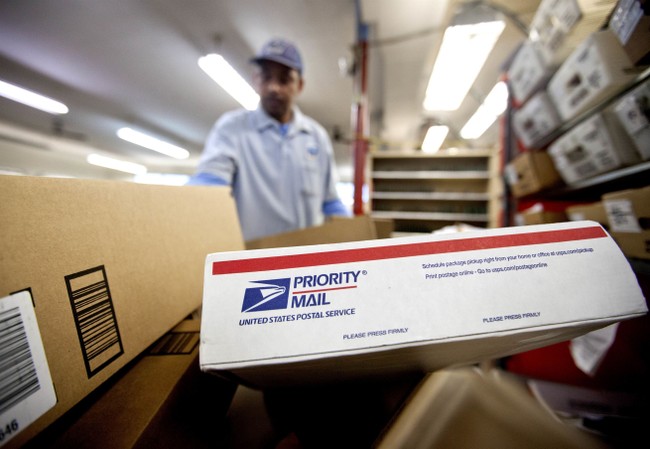
The Postal Service is proposing a rule that would withhold mail-in ballots from states that refuse to share absentee voter lists with federal authorities, a change pitched as a move to tighten election integrity and ensure ballots go only to verified, eligible voters.
Postmaster General David Steiner told lawmakers the new regulation would deny delivery of mail ballots to states that fail to provide the required data. He made that crystal clear when asked if ballots would still be mailed, responding, “Under our proposed regulation, no.”
The proposal comes off the back of a presidential directive aimed at verifying citizen status and tightening federal election safeguards ahead of the 2026 cycle. The requirement would have states hand over names, addresses, and ballot details at least 60 days before federal elections so the Postal Service can match mailings to verified recipients and reduce the risk of improper ballots being distributed.
Supporters argue the change is basic stewardship: make sure ballots actually reach the people states believe should get them. “I would think that states would want the information to ensure that the ballots that they think they’re sending out are the ballots that are actually getting sent out,” Steiner told the committee, emphasizing the practical logic behind the requirement.
That practical logic has landed like a grenade in blue-state capitals and among left-leaning activist groups, who immediately branded the move as federal overreach. Democrats on the Hill framed a federal verification role as an intrusion into state-run election systems and vowed legal fights to stop it, saying it would weaponize the Postal Service against voters.
https://x.com/BulwarkOnline/status/2069823613860020397
Sen. Elissa Slotkin went so far as to plead for the Postal Service to back away, warning about politicizing an institution she described as essential. “Please push back on being a pawn in this authoritarian playbook,” she urged Steiner, arguing that the Postal Service’s neutrality would be damaged by involvement in a federal verification scheme.
From a Republican standpoint, the pushback sounds like reflexive resistance to any effort that makes fraud harder and accountability easier. Asking states to confirm where absentee ballots go does not strip power from state officials; it simply requires basic transparency so federal delivery infrastructure isn’t used to send ballots to ineligible recipients.
Opponents call the rule a voter suppression tactic, even as supporters say it simply closes glaring vulnerabilities—dead voters on rolls, duplicates, or addresses tied to noncitizens. Senate Minority Leader Chuck Schumer dismissed the effort as a “malicious attempt” to suppress votes, a claim that was echoed widely in media and advocacy circles despite the proposal’s stated aim of matching ballots to eligible voters.
Meanwhile, the White House framed the broader push as part of an administration-wide agenda to secure federal elections and protect the integrity of the vote. That framing underscores how contentious election administration has become, with both sides accusing the other of politicizing the process while each advances reforms it believes will protect democracy.
Legal challenges are already on the horizon, and courts may soon weigh whether the Postal Service can condition delivery of ballots on state data-sharing requirements. The disputes will turn on statutory authority, constitutional questions about federalism, and the practical consequences for voters in states that resist compliance.
If the rule stands, states that balk could find their voters facing new hurdles to casting absentee ballots, and election officials will have to decide whether to comply, litigate, or find workarounds. That scenario raises real concerns about access and administrative chaos, but it also forces a national debate about the tension between preserving ballot access and preventing fraud.
For election administrators and voters alike, the coming months will be tense as rulemaking moves forward and lawsuits mount. The Postal Service’s stance has put a spotlight on how delivery systems interact with election systems, and whether federal requirements can lawfully shape state absentee procedures before a high-stakes midterm season.



Any thing that is a push back the far left calls over reach. How about cheating isn’t that an “over reach” ! Yes, “We the People” are taking back our Authority in voting!! Thank God we voted in a President who see that authority always belonged to US! Pass the Save America Act! Now!! Contact your legislator!!