
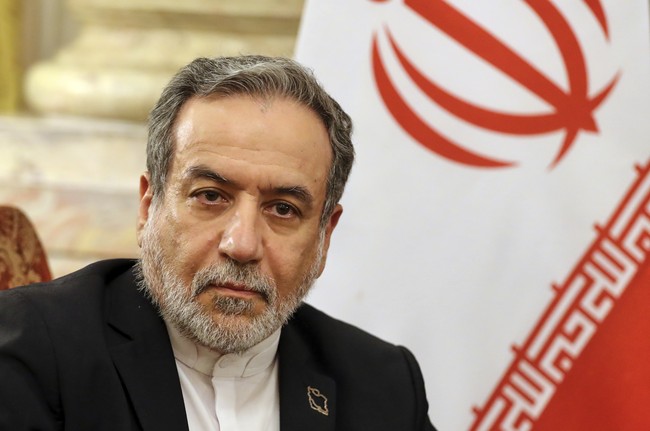
The U.S. led Project Freedom to keep shipping lanes open in the Strait of Hormuz, Iran responded with attacks on ships and facilities, and Tehran’s officials offered a mix of defiance, denial, and strange bravado that only hardened regional opposition and made American action more likely.
The Iranian regime chose to open hostilities by firing missiles and drones into busy sea lanes, striking at merchant vessels and an oil facility in Fujairah. Those strikes wounded civilians and rattled neighbors, and Tehran’s account of what happened did not line up with what other observers reported. Instead of calming things down, their actions rallied more countries to the side of secure navigation and collective deterrence.
Inside Iran, the backlash was immediate and sharp from some corners of the government. President Masoud Pezeshkian reportedly rebuked the IRGC for acting without coordination, calling the strikes “completely irresponsible” and warning of irreversible fallout. That internal split shows Tehran is more fractured than its public bluster lets on, and fractures make reckless behavior more likely, not less.
Events in Hormuz make clear that there’s no military solution to a political crisis.
As talks are making progress with Pakistan’s gracious effort, the U.S. should be wary of being dragged back into quagmire by ill-wishers.
So should the UAE. Project Freedom is Project Deadlock.
The Foreign Ministry tried to frame the situation as a warning against escalation and as evidence that diplomatic tracks were still open, but that argument rings hollow when gunshots are ringing out in international waters. Saying “there is no military solution” sounds reasonable only until a regime is firing on civilians and merchant vessels. In that case, deterrence and targeted military options are exactly the medicine needed to stop further aggression.
Iran’s propaganda machine went further into fantasy when a spokesperson claimed parity with the United States. Asked, “America is a superpower. Why don’t you back down or compromise?” the spokesperson replied, “We are also a superpower.” That quote stands as a sharp mismatch between rhetoric and reality when Tehran has seen its military options limited, its economy crumbling, and its regional influence shrinking under sustained pressure.
The real picture on the water told another story: U.S. destroyers navigated the Strait under attack, backed by air cover and helicopters, and managed to protect themselves and the passage of ships. Brave crews and superior capabilities intercepted threats and prevented damage to U.S. vessels. Those actions underscore the fact that capability and resolve, not empty slogans, define power.
When Iran fires on the UAE and on merchant traffic, it does not look like strength; it looks like desperation. Every reckless strike pushes more regional players into alignment against Tehran and increases the willingness of partners to support decisive measures to protect commerce and sovereignty. The regime’s provocations are not strategic brilliance; they are strategic self-harm.
Project Freedom is not a provocation; it is a response to Iranian disruption of a vital international chokepoint. The mission’s purpose is simple and legitimate: keep ships moving and lives safe. That objective is not only lawful, it is necessary, and when states attack neutral commerce they forfeit the right to lecture others about quagmires and unintended consequences.
Iran’s leaders posture about being a “superpower” while their forces are pushed back, their economy is under severe stress, and key centers of influence are eroding. That gap between press statements and on-the-ground reality matters because perceptions shape policy. When a regime misreads its own strength, it risks miscalculations that drag the region into larger conflict.
The U.S. response, including clear naval presence and rules of engagement that prioritized defense of ships and sailors, sent a necessary signal. Demonstrating capability and will reduces the chance of further misjudgment by Tehran. If deterrence fails, the credible next steps are available and should be on the table to protect shipping and regional stability.
For years, talk has too often replaced action when confronting hostile regimes. Now the American approach is showing that deterrence backed by capability is not empty rhetoric. The goal is not escalation for its own sake; it is to make clear that assaults on neutral commerce and regional partners will be met with effective force and coordinated resistance.
Iran’s mixture of denial, internal dissent, and grandiose claims has hardened international resolve rather than softened it. The choice Tehran faces is simple: abandon reckless provocations and accept pressure, or keep pushing and let others respond with the means necessary to defend free passage and innocent lives. The calculus of power has consequences, and Iran is about to learn that loudly and clearly.



Add comment