
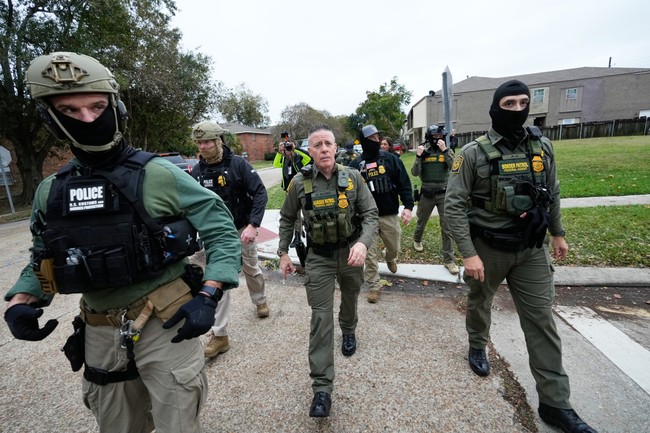
The government report sent to Congress outlines a detailed timeline of the fatal encounter between federal agents and Minneapolis ICU nurse Alex Pretti, stating two agents discharged their weapons and describing officers’ immediate medical response. The CBP Office of Professional Responsibility based its findings on body camera footage and internal records, and the report challenges earlier statements about Pretti’s actions. Investigations by multiple federal and local agencies are ongoing while tensions in the city remain high.
The report says the incident unfolded just after 9 a.m. during Operation Metro Surge near Nicollet Avenue and 26th Street in Minneapolis, where Border Patrol and CBP personnel were conducting enforcement actions. According to the agency’s review, a CBP officer encountered two women blowing whistles in the roadway and ordered them to move, which led to a physical interaction when they did not comply. One woman ran to Pretti, and when officers tried to move both individuals out of the street, the report says Pretti and the woman did not comply and the officer deployed pepper spray.
Body-worn video and internal documentation form the backbone of the CBP timeline, and that footage is central to how the agency described events to lawmakers. The report does not mention Pretti attempting to reach for his legally owned 9mm handgun, a detail that departs from earlier public characterizations. The absence of that description in the CBP document directly contradicts initial remarks from some Department of Homeland Security officials who had suggested Pretti was approaching officers with a firearm on his person.
The document quotes agency personnel describing a physical struggle: “CBP personnel attempted to take Pretti into custody,” the report states. It also records that during the struggle a Border Patrol agent yelled, “He’s got a gun!” multiple times. Roughly five seconds after that alarm, the report recounts, a Border Patrol agent fired his CBP-issued Glock 19 and a CBP officer discharged his CBP-issued Glock 47 at Pretti.
After the shots were fired, a Border Patrol agent told colleagues he had possession of Pretti’s firearm and that he “subsequently cleared and secured Pretti’s firearm in his vehicle.” CBP personnel immediately provided first aid, cutting away clothing and applying chest seals to gunshot wounds. Minneapolis Fire Department EMTs arrived within minutes, and Pretti was taken to Hennepin County Medical Center, where he was pronounced dead at 9:32 a.m.
The report makes clear that its account is preliminary and based on a review of available body camera footage and internal records, and it may be updated as investigations progress. Homeland Security Investigations opened a probe into the shooting, while the CBP Office of Professional Responsibility is conducting an internal review. The Department of Homeland Security Office of Inspector General has also been notified and requested the official autopsy from the Hennepin County Medical Examiner’s Office.
Authorities say medical personnel on scene rendered aid very quickly, and the report reiterates the sequence of emergency care from CBP staff to city EMTs. Chest seals were applied at approximately 9:02 a.m., and a transfer to hospital care followed shortly afterward. The autopsy and subsequent forensic work are expected to provide additional detail about the wounds and timing, and CBP has formally requested those findings from the medical examiner.
The broader enforcement context matters to understanding local reaction: the shooting took place during Operation Metro Surge, which the Department of Homeland Security described as the largest immigration enforcement operation ever conducted in the area. That operation has drawn criticism from community leaders and officials for tactics that include warrantless arrests and confrontations with protesters, and it has intensified scrutiny of federal agents working in Minneapolis.
Local officials responded to the incident by mobilizing additional resources, and Minnesota authorities activated the National Guard at the request of law enforcement. State leaders have also pursued legal avenues to limit federal enforcement actions within the state, citing concerns about civil liberties and public safety. Those moves are part of an escalating dispute between local and federal authorities over how immigration enforcement operations are carried out in Minnesota.
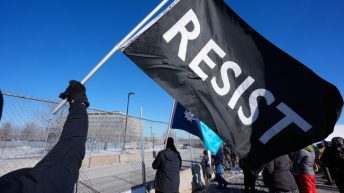
Community reaction has been swift and, in many cases, heated, with demonstrations and calls for transparency about the agents’ conduct and decision-making during the encounter. Civil rights groups and local activists have pressed for full release of body-worn camera footage and independent oversight of the investigation. Federal agencies say they will continue to update Congress and relevant oversight bodies as more evidence is reviewed and as investigative steps are completed.

Add comment