
The Obama Presidential Center’s opening has become a spectacle of symbolism and snubs, with critics calling the building a cold, brutalist statement and organizers reportedly excluding President Trump from the inaugural guest list; this piece examines the design, the political theater around invitations, local reactions, and what the whole affair says about the modern presidency.
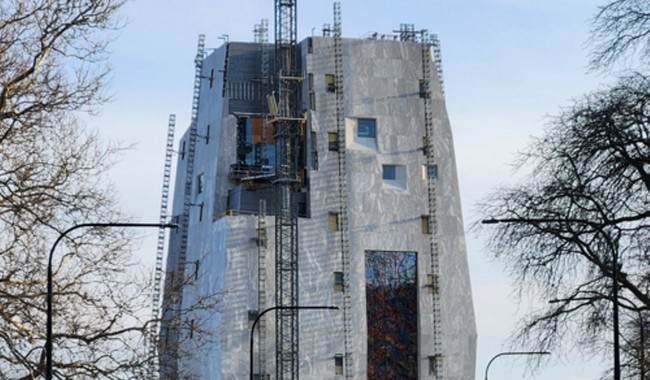
I expected a presidential center to aim for grandeur and a sense of history, something that honors the office. Instead, the new center looks like a fortress of concrete, a brutalist monument that strikes many as hostile to its neighborhood and tone-deaf to the idea of civic commemoration. That style choice matters because architecture communicates values as loudly as any speech.
The organizers have apparently chosen to keep President Trump off the guest list for the opening. That decision is a stunt regardless of who makes it, and it reduces a moment of national history to partisan theater. “She added that once it opens to the public, ‘should President Trump want to come and tour the center, President Obama would be delighted for him to do so.’” ()
That quote is as carefully staged as the building itself: an offer of public access wrapped in a private slight. From a Republican perspective, excluding a sitting president from a public ceremony smacks of the same elite disdain for dissent that disenchanted voters have been complaining about for years. This isn’t just personal between two men; it’s emblematic of how political institutions can be used to signal approval or punishment.
The architecture and the invitation list together tell a story about priorities. When a presidential center looks more like a bunker than a library and the opening becomes a roll call of preferred allies, it suggests the project is meant less for civic education and more as a curated shrine. That undermines the stated purpose of these centers, which should be open forums for history and debate rather than gated monuments to one worldview.
Local voices add another dimension to the controversy. Residents and neighbors who live with this structure every day have criticized it as intrusive and out of scale with the community. “It looks like this big piece of rock that just landed here out of nowhere in what used to be a really nice landscape of trees and flowers,” Ken Woodward, a lawyer and father of six who grew up in the area, said. “It’s a monstrosity. It’s over budget, it’s taking way too long to finish and it’s going to drive up prices and bring headaches and problems for everyone who lives here. It feels like a washing away of the neighborhood and culture that used to be here.”
“It looks like this big piece of rock that just landed here out of nowhere in what used to be a really nice landscape of trees and flowers,” Ken Woodward, a lawyer and father of six who grew up in the area, told the Daily Mail.
“It’s a monstrosity. It’s over budget, it’s taking way too long to finish and it’s going to drive up prices and bring headaches and problems for everyone who lives here. It feels like a washing away of the neighborhood and culture that used to be here.”
These complaints cut both ways. On one hand, a presidential center should lift a neighborhood and preserve local character; on the other, expansive projects often displace and reshape communities in ways residents didn’t consent to. Conservatives worrying about property rights, community cohesion, and fiscal responsibility will see this as yet another instance of elite projects trampling local voices and wallets.
Then there’s the broader political theater: while Democrats fine-tune the guest list and celebrate symbolic architecture, a Republican administration is focused on pressing international and domestic priorities. From a national security standpoint, leaders have to juggle sensitive crises abroad while also pushing domestic reforms. The optics of being excluded from a cultural event shouldn’t distract from real governance tasks that affect citizens’ lives.
It’s also worth noting how tone and temperament shape public reaction. A president who is deliberately excluded might react with amusement or scorn, but the bigger issue is that this kind of petty exclusion normalizes a zero-sum approach to public life. If institutions are curated to welcome only the friendly, they cease to be institutions for all Americans.
The design choice, the invitation list, and the neighborhood pushback together create a narrative that the center is as much about signaling as it is about legacy. For those who wanted a unifying space for history and civic engagement, the current direction is disappointing. For critics who see a pattern of elites privileging image over substance, this will feel like confirmation of a larger cultural drift.
One last oddity: speculation persists about the center’s aesthetic being better suited to a science-fiction backdrop than to a community park. Whether that’s hyperbole or fair criticism depends on where you stand stylistically and politically, but the skepticism from multiple quarters suggests the Obama center’s rollout will remain controversial long after the ribbon is cut.
Editor’s Note: Hollywood, academia, and liberal elites like the Obamas are out of touch with the average American.


Add comment