
President Trump moved quickly this week after an initial acting DNI pick drew bipartisan pushback, naming Jay Clayton as his choice for permanent Director of National Intelligence while keeping Bill Pulte in the acting role until the handoff. The decision sparked an immediate reaction on Capitol Hill, fed into a vote over FISA Section 702, and set the stage for Senate confirmation hearings that will test GOP unity and Democratic opposition.
On June 2, the White House tapped Bill Pulte, then head of the Federal Housing Finance Agency, to serve as Acting Director of National Intelligence, with his formal transition scheduled for June 19. The appointment surprised many because Pulte comes from the housing regulator world and lacks a traditional intelligence background. That profile prompted criticism from Democrats and some Republicans, who questioned his qualifications for the nation’s top intelligence post.
Critics pointed to Pulte’s prior actions that had irritated political rivals, including referrals to the Justice Department involving several high-profile figures. Those moves intensified partisan reactions, turning what might have been a routine personnel shift into a flashpoint. The controversy quickly morphed into a broader debate about how political grievances intersect with national security appointments.
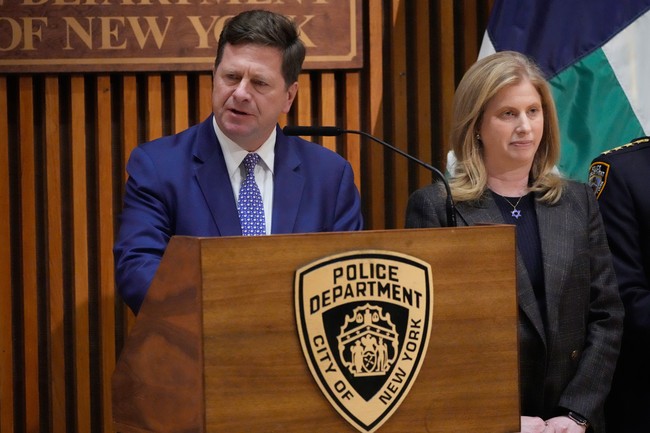
Soon after the backlash mounted, the president announced his pick for permanent DNI: Jay Clayton, currently serving as the U.S. Attorney for the Southern District of New York and a former SEC chairman. The nomination brings a well-known legal figure into the conversation, someone with significant experience in both government and the private sector. That background immediately raised questions about the pace and tenor of the upcoming confirmation process.
He posted the news to Truth Social Thursday:
https://x.com/EricLDaugh/status/2065133572063666202
🚨 JUST IN: President Trump nominates JAY CLAYTON for Director of National Intelligence after Bill Pulte was chosen as Acting DNI
“I am pleased to announce the Nomination of very Highly Respected Jay Clayton, former Chairman of the Securities and Exchange Commission, the former Head of Sullivan & Cromwell, one of the most prominent and successful Law Firms anywhere in the World, and the current United States Attorney for the Southern District of New York, to be the next Director of National Intelligence and, importantly, to serve in my Cabinet.”
“Few people anywhere in the Legal Community are respected at the level of Jay. I encourage the United States Senate to confirm Jay as soon as possible. Thank you for your attention to this matter! President DONALD J. TRUMP” 👏🏻🔥
Clayton will need Senate confirmation to replace Pulte permanently, so the announcement kicks off a sequence of hearings and votes. Expect Democrats to press on issues of oversight, counterintelligence, and how political referrals from earlier roles might affect independence. Senate Republicans will decide whether to rally behind a nominee who has both corporate and prosecutorial experience but also a hefty public profile.
The timing of the nomination intersected with a separate, consequential vote in the House over FISA Section 702 reauthorization. That surveillance authority lets the U.S. collect certain foreign intelligence without a domestic warrant, and it frequently draws intense partisan scrutiny. The House rejected a short-term extension, a vote that reflected anger over the Pulte appointment among some Democrats and dissension from a subset of Republicans.
That 198-218 procedural outcome highlighted the political volatility surrounding intelligence matters right now, with lawmakers using related votes to signal displeasure and leverage negotiations. The FISA vote will likely influence how members view any DNI nominee, since the director’s office plays a central role in intelligence policy and legal compliance. Members from both parties will weigh national security needs against civil liberties concerns during the confirmation debate.
The transition also raises practical questions about continuity inside the intelligence community during a period of leadership change. An acting director can keep operations running, but major policy shifts and long-term strategy typically await a confirmed DNI. Meanwhile, the Justice Department and other agencies will continue coordinating on ongoing counterterrorism and counterintelligence work while attention turns to Capitol Hill.
Observers should watch the hearings for where Clayton draws lines on politicization, transparency, and coordination among agencies. His past roles at the SEC and in private practice will be scrutinized for conflicts, but supporters will point to his enforcement and managerial credentials. The confirmation fight will reveal whether Republicans can present a unified front and how much Democrats intend to press politically sensitive issues.
For now, the White House has shuffled the deck and moved from an acting choice to a high-profile nomination that promises vigorous scrutiny. The next weeks will determine if the Senate moves swiftly or if the process becomes a prolonged battleground over the direction of U.S. intelligence oversight. Either outcome will shape how the administration manages security priorities heading into the next legislative stretch.

Add comment