
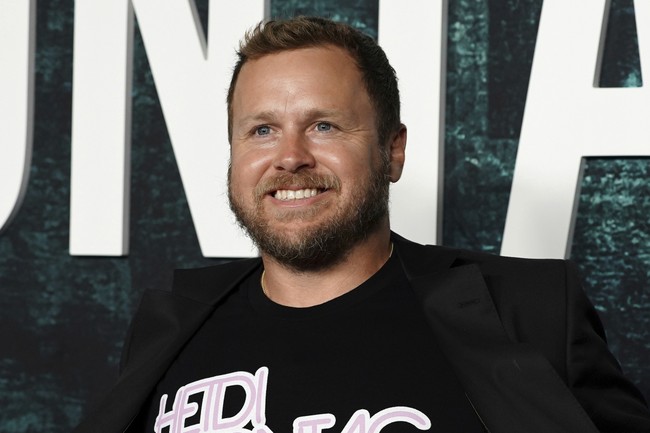
I’ll outline how Donald Trump’s insurgent style reshaped the GOP, show how Spencer Pratt embodies that shift, describe Pratt’s campaign messaging and motivations, note how establishment figures react, and point to the likely long-term impact on Republican politics.
When Donald Trump announced his candidacy in 2015, he rewired how the Republican Party approaches elections by rewarding boldness and bluntness. That shift has produced candidates who punch above their political weight and speak plainly about failures they blame on the left. Spencer Pratt fits this new mold: a disruptive, media-savvy figure running for Los Angeles mayor who channels that same take-no-prisoners energy. His campaign is less about fitting the mold and more about shattering it to get attention and force accountability.
Pratt’s personal story is part political statement and part campaign platform. He and his family, along with many others, have faced homelessness amid local policy failures, a fact Pratt uses to frame his candidacy as a direct rebuke to one-party rule in California. He says his run is not a stepping stone to higher office but a last-ditch effort to confront what he calls the failed California Democrat machine. That urgency and personal stake make his message raw and simple: he has nothing left to lose and everything to call out.
His ads lean into spectacle and contrast, designed to grab media attention and communicate a single image quickly. One recent spot shows Pratt apparently cleaning a rough part of the city and stenciling the message, “Imagine if the streets were this clean. Spencer Pratt for Mayor of LA.” The ad trades polish for clarity, using visual proof of competence as its selling point and daring officials to answer why things remain broken. That kind of direct, visual messaging is something the Trump playbook perfected and Pratt is applying locally.
Pratt’s campaign style is intentionally confrontational and rooted in performance, and it rattles both Democrats and some Republicans who prefer quieter candidates. He does not shy away from blaming local leaders for the homeless crisis and for policies that, in his telling, left families on the street. He is outspoken about the need to hold failing systems to account, and he frames his campaign as representing “angry Angelinos” who feel betrayed by their municipal leadership. He even says, “I’m supposed to represent all of Los Angeles. That’s my party, angry Angelinos.”
That plea for broad representation, framed as populist anger, is central to why Pratt scares political insiders. After more than a decade of Trump-influenced politics, an insurgent streak remains in the GOP and among voters who want candidates willing to defy norms. Some in the party still hope for a return to pre-Trump civility, but candidates like Pratt suggest a different future: one in which bluntness and showmanship are assets rather than liabilities. The reaction from establishment voices—unease, alarm, calls for caution—reveals how entrenched political expectations are shifting.
The real question is whether this trend will change governance or simply change politics. Pratt’s approach prioritizes visibility and disruption, and that can catalyze debate and attention on issues such as homelessness and public order. Whether his tactics translate into policy or only into headlines depends on the extent to which voters reward results over rhetoric. Still, his candidacy is a case study in how a national insurgent style gets copied at every level of government.
Even if Spencer Pratt loses, his campaign will have served as a proof of concept for other outsiders who want to use bold messaging and personal narrative to force change. Trump-era tactics—straight talk, theatrical ads, and unapologetic attacks on opponents—are now part of the toolbox for ambitious candidates. The GOP’s future field of contenders looks set to include more figures unafraid to call out failures loudly and seek electoral remedies through disruption and media-first strategies.
For conservatives watching local races, Pratt’s run is both an opportunity and a warning: boldness can move voters, but turning attention into durable policy requires organization, discipline, and follow-through. The Republican Party’s next wave of candidates will have to prove they can convert noise into governance if they want lasting impact. Meanwhile, campaigns like Pratt’s will keep testing the boundaries of what political outsiders can achieve on a city stage.
Editor’s Note: President Trump is leading America into the “Golden Age” as Democrats try desperately to stop it.



Add comment