
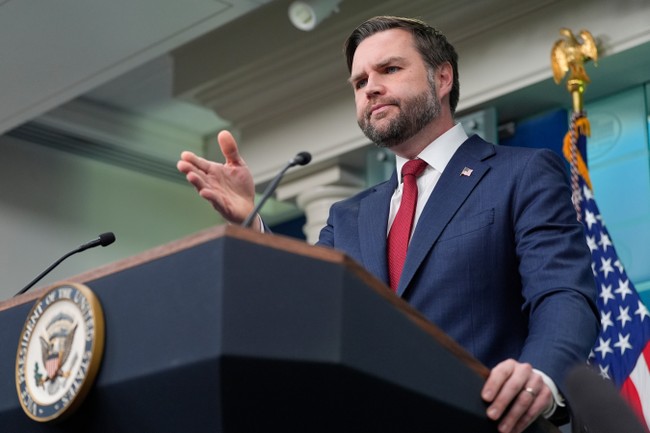
The Secret Service has long been trusted to shield our leaders, but recent video claims that an agent on Vice President JD Vance’s detail leaked sensitive operational information, including formations, schedules, travel plans, and real-time locations. This article examines the allegations, the potential national security implications, and the necessity of thorough, impartial investigation into whether a protective agent compromised the safety of a senior official.
Hidden Cam Reveals Secret Service Breach: JD Vance Detail Compromised
Protective services rely on strict discipline, chain of command, and a culture where operational details stay strictly internal. When someone inside that culture shares sensitive information, intentionally or not, the consequences can be severe and immediate. The claims circulating now center on a recorded conversation in which a Secret Service agent allegedly provided detailed security data to someone the agent believed was a personal acquaintance.
The recording reportedly names Tomas Escotto as an agent on Vice President JD Vance’s protective detail and attributes to him specific disclosures about protective formations, shift rotations, travel plans, and live locations. Those kinds of specifics are exactly what adversaries would look for when planning an attack or surveillance. If the details are accurate, the risk extends beyond inconvenience; it touches the core duty of those guarding the vice president and his family.
According to the material released, the agent described how the vice president is physically surrounded, described multiple daily shift changes, and disclosed advance security procedures. In addition to past movements, the agent revealed future travel plans, sometimes days in advance. The same account says the agent even sent images from Air Force Two while onboard with the vice president, information that could be exploited by anyone monitoring patterns or preparing a strike.
Tomas Escotto, a current U.S. Secret Service agent on Vice President JD Vance’s protective detail, was recorded on hidden camera providing an undercover journalist with sensitive security information, including protective formations, shift schedules, travel plans, & real-time locations.
There are few things more corrosive to public safety than a protector who betrays their charge, whether through carelessness or malice. The report stresses that the agent acknowledged signing paperwork forbidding disclosure of sensitive information yet still shared those details with someone he believed was a casual romantic interest. That scenario raises the specter of a honey trap, a classic exploitation technique used to extract secrets from people in positions of trust.
Those who handle executive protection understand how small bits of operational data stack into a full picture. A photo from a secure aircraft, a pattern of who stands where during a movement, or a scheduled shift change can be combined to find vulnerabilities. The concern is not theoretical; hostile actors, including state-sponsored intelligence services, have a history of setting up situations to obtain access to sensitive information and then using it for leverage or attack planning.
Beyond immediate operational fallout, the political and institutional fallout matters. A protective breach like this erodes trust within the force, placing extra strain on colleagues who must now verify procedures, re-evaluate assignments, and compensate for possible exposures. It also forces political leaders and the public to question how well security protocols are enforced and what remedial measures will be taken to prevent repeat incidents.
The Secret Service agent detailed how the Vice President is physically surrounded, described multiple daily shift changes, & disclosed advance security procedures.
In addition to past movements, the agent revealed future travel plans, sometimes days in advance. Escotto even sent images from Air Force Two while onboard with the Vice President.
Despite acknowledging that he signed paperwork prohibiting the disclosure of sensitive information, the Secret Service agent repeatedly shared details with someone he believed was a casual romantic interest.
There is an important caveat: allegations require verification and due process. Anyone accused must be afforded the presumption of innocence while investigators examine the footage, validate timelines, and interview witnesses. At the same time, investigators must act urgently to determine what was leaked, to whom, and whether adjustments to current protective postures are necessary to safeguard the vice president immediately.
If the allegations hold up, accountability must follow: administrative actions, potential criminal charges, and policy fixes to close whatever procedural gaps allowed this to happen. The goal should be to restore confidence in the institutions charged with protecting national leaders and to make clear that betraying that trust has serious, enforceable consequences.
Leaks of sensitive protection details are not merely embarrassing; they endanger lives and national security. This episode, once fully vetted, should prompt a hard look at safeguards, training, and oversight inside protective services to reduce the chance of any repeat breach.



Add comment