
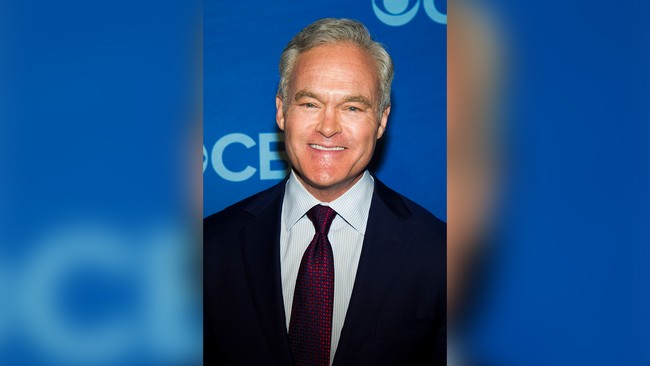
Scott Pelley accepted a Walter Cronkite Award this week and used his remarks to both criticize recent government attacks on the press and point out encouraging changes inside legacy news organizations, suggesting old outlets might be adjusting to new realities while still drawing controversy over who gets honored.
Former CBS News Anchor’s ‘Cronkite Awards’ Remarks Quietly Drop Hints of Improvement in Legacy Media
Scott Pelley has been a familiar face at CBS News for decades, known to many as a 60 Minutes correspondent and as a former network evening news anchor. His presence at the Walter Cronkite Awards drew attention because he’s part of the generation that helped shape network television journalism.
The Walter Cronkite Awards are administered by the USC Annenberg School for Communication and Journalism and this year emphasized the role of a free press in defending democracy. That framing set the tone for the event and made the ceremony itself part of the conversation about journalism’s public mission.
This year’s competition invited submissions that demonstrate how a free press defends democracy
…
At a time when multiple independent polls show that an overwhelming majority of Americans are deeply concerned about the future of democracy, the Walter Cronkite Award for Excellence in Political Journalism on Television and Digital Media honor journalists whose work exemplifies the role of a free press in protecting constitutional principles, defending the rule of law, and holding power to account.
Pelley used his acceptance remarks to call out what he sees as assaults on press freedom, including rhetoric and actions from the Trump era that, in his view, threatened journalistic independence. Those comments were predictable to anyone who has followed mainstream media reactions to the last several years, yet they remained part of the evening’s narrative.
Even so, much of Pelley’s speech struck a different note: he praised the ability of reporters and producers to get stories to air with minimal interference. That nod to editorial autonomy is notable coming from a senior figure who has watched corporate and political pressures reshape newsrooms.
Pelley specifically acknowledged colleagues who left CBS, calling some departures “heart-breaking” while also emphasizing that last season the 60 Minutes team got all of their stories on the air with little interference. Those lines landed like a quiet reassurance that at least some editorial standards remain intact.
Pelley said that it was “heart-breaking” for the 60 Min team to lose Bill Owens and Wendy McMahon.
“However, I will say that, in that season, last season, all of our stories got on the air. We got them all on the air with an absolute minimum of interference — nothing that anyone in this room would have been alarmed by.”
The awards also spotlighted a mix of recipients who don’t fit the traditional newsroom mold, which fueled debate about where the line between journalism and commentary now sits. Comedian Jon Stewart and progressive host Rachel Maddow were among those recognized, triggering predictable reactions about whether the prize is stretching beyond conventional definitions.
John Dickerson, another honoree, announced his program had already ceased airing, a reminder that recognition does not always translate into continued platforms or influence. That detail highlighted the fluid state of broadcast offerings and how awards and programming moves can diverge sharply from on-air reality.
“We won a Cronkite award today for essays on Evening News Plus, which went off the air last Friday.”
The mood at the event was part celebration of reporting and part self-reflection for a media industry under pressure from changing audiences and ownership shifts. Pelley’s measured praise for his team’s editorial freedom reads as cautious optimism rather than triumphalism.
Award ceremonies like this one often reveal as much about the awards-givers as the award-winners, and the Cronkite event was no exception. The selection of recipients and the themes promoted by the Annenberg School made clear what values the institution wanted to highlight, even if some choices seemed provocative.
For viewers and journalists paying attention, Pelley’s remarks offered a small but significant signal: senior newsroom figures are willing to publicly defend both press freedom and the integrity of their own editorial processes. Whether that signals broader reform or simply temporary calm is an open question.
The evening reinforced an ongoing debate about the role of newsrooms, the boundaries between reporting and opinion, and how awards shape professional reputations. As media companies rearrange talent and platforms, ceremonial moments like this remain a useful snapshot of where mainstream outlets stand and where they might be moving next.
Also picking up attention at the ceremony were other familiar names and faces from across the media landscape, which kept discussion lively about what counts as journalism today and who gets to claim that title.


l Get paid over $220 💸 per hour working from home. l never thought I’d be able to do it but my buddy makes over $22150 💸 a month doing this and she convinced me to try. The possibility with this is endless,,,.,.
Copy This ____________ EarnApp1.Com