
Rubio’s Response to Cuban President’s Remarks About Fighting the US Is an Instant Classic
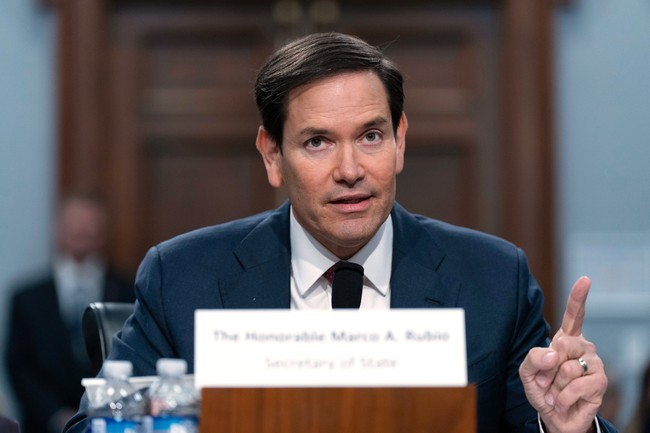
Marco Rubio brushed off a fiery comment from Cuba’s president about resisting any U.S. attack, and his reaction went viral. The exchange happened during a brief appearance with a visiting foreign minister and unfolded as reporters shouted questions. Cuba’s leader vowed to “defend itself to the hilt ‘with the participation of all the people’” if faced with U.S. action, and Rubio’s deadpan reply undercut the threat. The moment also touched on wider tensions in the region, including Iran’s recent threats around the Strait of Hormuz and Operation Epic Fury.
There’s a lot going on right now, with headlines dominated by actions tied to Operation Epic Fury and the broader pressure on Tehran. Amid that focus, comments from Havana grabbed attention by echoing revolutionary rhetoric rather than practical deterrence. Miguel Díaz Canel told Newsweek his country would “defend itself to the hilt ‘with the participation of all the people’ if the U.S. launched an attack.” That kind of language leans on symbolism more than a credible military posture against U.S. power.
The setting made Rubio’s response particularly sharp: he had just met with another foreign minister and was making the routine photo-line appearance where secretaries rarely take questions. A reporter shouted about Díaz Canel’s warning, and Rubio’s reaction was almost reflexive. “Okay, sure,” Rubio said, as he tried to stop himself from laughing, but didn’t quite make it. “I don’t think much about what he has to say,” he responded.
Rubio’s short dismissal carried more than humor; it reflected a broader judgment about regime durability and legitimacy. The Trump team, among others, seems to expect Cuba to weaken under its own internal pressures: collapsing economy, persistent shortages, and public unrest. People in Cuba have taken to the streets demanding basic freedoms and necessities similar to demonstrators in Iran, and those domestic dynamics often matter more than foreign saber-rattling.
On the ground in Cuba, most citizens are struggling with daily survival — electricity, food, and fuel top the list of immediate concerns. That reality undercuts grand revolutionary calls to arms, since widespread popular mobilization for prolonged guerrilla warfare requires more than slogans. At this point, Cuba would be lucky if it had people willing and able to come out and fight; many are focused on feeding their families and keeping the lights on.
Rubio didn’t limit his critique to Havana. He took the opportunity to call out Tehran as well for threats against commercial shipping and regional stability, highlighting the danger Iran poses when it menaces vessels in the Strait of Hormuz. The U.S. has pledged to hold Iran accountable for actions that threaten maritime traffic and global commerce. Unfortunately, global institutions have sometimes been unwilling or unable to apply consistent pressure on Iran for those actions, which complicates diplomatic responses.
What helps regimes like Cuba and Iran is inconsistent pushback from the international community and domestic actors who rationalize or defend those governments. Left-leaning critics often attack U.S. policy rather than those regimes, and that politicized defense can prolong the rule of oppressive elites. Even so, the long-term trajectory for both countries may be determined more by internal collapse and popular discontent than by external military confrontations.
Rubio’s moment of levity cut through the menace and highlighted a simple point: bombast does not equal capability. While leaders can use fiery language to shore up domestic support or intimidate abroad, reality tends to follow logistics, economics, and public sentiment. The exchange served as a reminder that rhetorical bravado is no substitute for sustainable power or legitimacy in the eyes of the people.


Add comment