
Checklist: note the dwindling number of Pearl Harbor survivors, describe how remembrance is changing, include firsthand memories and quoted testimony exactly, connect lessons of Pearl Harbor to present strategic concerns, and restore a clear, Republican-leaning call for preparedness and realism.
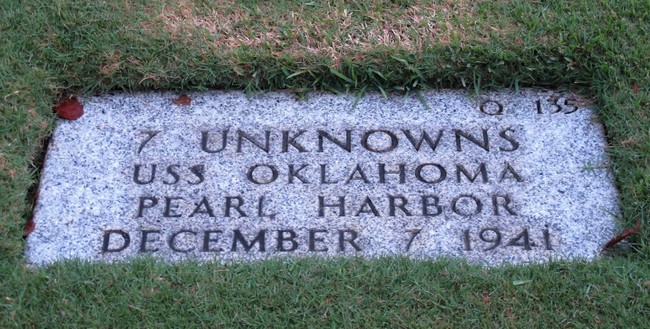
Today marks the 84th anniversary of the attack on Pearl Harbor, a day President Franklin Roosevelt called “a day that will live in infamy.” That phrase still lands hard when you think about the cost: more than 2,300 service members killed and a nation thrust into a global war. The event is fixed in our history, yet the people who saw it are vanishing, and with them a type of memory that can’t be fully replaced by books or ceremonies.
There are only 12 veterans from that day still alive now, all centenarians, and none could make the pilgrimage to Hawaii this year. The absence of survivors at the waterfront ceremony changes the tone of remembrance; it shifts the burden of memory onto descendants, historians, and the public. That’s natural, but it also weakens the visceral connection to what actually happened and what it cost Americans then and since.
Firsthand accounts matter because they capture the chaos and the human choices under fire. My great-uncle was stationed at Fort Shafter and told my family how he stood outside banging at Japanese aircraft with a Springfield rifle. He didn’t think he hit anything, but he fought back with what he had, and that image of ordinary men doing what they could is a priceless record of courage.
Survivors of the 1941 Japanese bombing of Pearl Harbor have long been the center of a remembrance ceremony held each year on the military base’s waterfront.
But today only 12 are still alive — all centenarians — and this year none is able to make the pilgrimage to Hawaii to mark the event, scheduled for Sunday.
That means no one attending will have firsthand memories of serving during the attack, which killed more than 2,300 troops and catapulted the U.S. into World War 2. The development is not a surprise and is an evolution of an ongoing trend. As survivors fade, their descendants and the public are increasingly turning to other ways of learning about the bombing.
Another survivor, Ken Schubring, now 103, shared a memory that slices through abstractions and brings back the panic of that morning. His recollection reminds us that memory is embodied, not merely recorded. When veterans like him pass away, our national story loses a muscle that keeps lessons alive and sharp.
“I went to eat breakfast after my duty and shortly before 8 a.m., an explosion shook our bunkers,” he said at a Veterans Day ceremony at the National WWII Museum this year, according to Spirit America. “Everyone rushed outside.”
“The sky was full of airplanes, dive bombers,” he continued. “I hit the deck, crawled to a ditch nearby… and stayed there until the first wave had finished.”
Family memories beyond the veterans carry weight, too. My mother was 13 when the news broke and remembers an interrupted Sunday symphony on the radio; my father was 18 and recalls people streaming out of stores in Cedar Rapids as the news spread. Those civilian recollections stitch the national reaction together and show how the attack rippled through everyday life across the country.
We need to keep teaching what led to that morning: a period when diplomatic ties frayed and global interests collided, turning trading partners into enemies and plunging millions into a brutal, years-long war. That context isn’t merely academic; it’s the reason remembrance matters beyond honoring individuals. It helps explain causes, consequences, and the need for caution in foreign policy.
From a Republican viewpoint, national memory should fuel a clear and practical posture: honor sacrifice, maintain a strong military, and conduct foreign policy with realism. The past shows that wishes and trade alone do not guarantee security. We must prepare for threats and defend American interests, because peace often depends on strength rather than hope.
The Pacific theater then offers a warning for today. While Japan is now a close ally, other powers in the region are showing concerningly assertive behavior. The steady erosion of firsthand witnesses to Pearl Harbor makes it harder to carry forward the urgency of preparedness, so we must be deliberate about keeping lessons alive through policy, education, and institutional memory.
Memory is fragile; institutions and public awareness must compensate as survivors disappear. Ceremonies, museums, and curricula can help, but they need to be driven by a commitment to clarity about what happened and why it matters. That commitment should include a no-nonsense approach to defense and a sober view of international relations.
We fail to learn from these things at our peril. The attack on Pearl Harbor will join the long roll of historical events whose participants fade with time, but the strategic lessons are evergreen: ensure peace by preparing for war, and remember that nations act from interest, not sentiment. Those lessons demand vigilance now more than ever.


Add comment