
I’ll explain how Minnesota’s local policies, law enforcement perspectives, and national police organizations challenge the narrative blaming ICE for enforcement failures, show why cooperation matters for public safety, include direct quotes from officials, and preserve the original embeds for context.
Minnesota has become a focal point in the debate over federal immigration enforcement because of how state and local decisions affect operational realities. When county jails and local agencies decline to coordinate with federal authorities, ICE loses a predictable place to take custody, and that forces arrests to happen in riskier public settings. That change in procedure increases the chance for chaos and puts both officers and bystanders at greater risk, which is exactly what police leaders are warning about.
Local noncooperation often means people who would have been transferred to federal custody are released back into the community, complicating follow-up and increasing dangers. That pattern has consequences beyond administrative headaches: it can turn a routine arrest into a volatile encounter when federal agents try to act later. Minneapolis saw scenes where federal officers encountered resistance and crowds that were not controlled quickly, according to accounts from police on the ground.
St. Paul Police Federation President Mark Ross laid out a clear case for better coordination, saying that if police had been allowed to assist with crowd control and logistical support, some violent outcomes might have been avoided. He argued that training and experience in managing major events make local forces capable partners for ICE when notice is provided. Ross said coordination is often as simple as a heads-up when agents will be on scene so local officers can stand by to manage crowds.
“Since the Republican National Convention was held in St. Paul back in 2008, Minnesota law enforcement has undergone extensive training in mobile field force configurations and crowd management for major events. And because of that, I think we’re in the best position to deal with that,” Ross said.
“Unfortunately, our local politicians would not allow us to do that,” he added. [….]
“Had we been allowed just a little bit of coordination – not in terms of what ICE is doing, but if they say, ‘Hey, we need to go to this place to serve a warrant, we’re going to be out there a couple hours. We’re nervous that crowds are going to form and give us trouble. Can you come out and help?’ That’s something we can easily coordinate with a little bit of notice, and sometimes with hardly any notice, we can get out there quickly,” Ross said.
“I believe, had we been able to do that, that there would be no loss of life at this point,” he said. […]
“We want to be out there. We want to be keeping people safe, and it’s been really tough. We really feel like we’re in the middle of this, obviously, not by choice,” Ross added.
Those remarks directly counter the claim that ICE is primarily to blame for enforcement failures in Minnesota. Across much of the country, ICE can routinely request assistance, and local police often respond without a political fuss, which keeps operations safer and more efficient. The difference in outcomes suggests policy choices at the state and local level matter more than agency intent.
National organizations have echoed the frontline view. The National Police Association responded to local officials and mayoral comments by pointing out how crowd interference and anti-ICE agitation can prevent agents from performing arrests safely. Their messaging underscores that when local policy ties the hands of law enforcement—whether federal or municipal—public safety suffers.
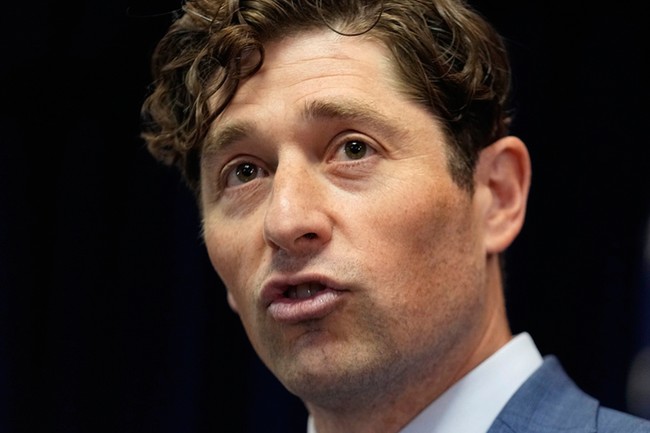
Minneapolis Mayor Jacob Frey said, “The job of our police is to keep people safe, not enforce fed immigration laws. I want them preventing homicides, not hunting down a working dad who contributes to MPLS & is from Ecuador. It’s similar to the policy your guy Rudy had in NYC. Everyone should feel safe calling 911.”
That statement captures a legitimate concern about policing priorities, but critics argue it misreads what coordination can look like in practice. Police leaders describe coordination as assistance for safety and crowd control, not deputizing local officers to conduct immigration investigations. The dispute is less about duty and more about whether local policy will allow practical support when federal agents are operating in public spaces.
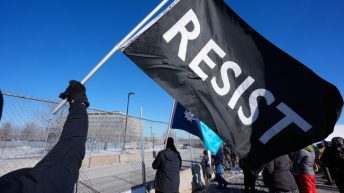
Critics say the current approach leaves federal officers exposed and makes it harder to secure arrests without escalating confrontation. When activists mobilize to obstruct operations and local police hold back, agents can be forced into more dangerous circumstances. That outcome isn’t just a tactical problem; it affects community safety and erodes trust in the ability of authorities to maintain order.
The debate in Minnesota is a test case for broader questions about federal and local roles in immigration enforcement. If the state and municipalities insist on strict noncooperation, the consequences will continue to play out at the street level where officers, residents, and federal agents intersect. Conservatives point to those operational realities to argue for policy changes that restore practical cooperation and reduce needless risks.
Police unions and national law enforcement groups are making a straightforward claim: give police the ability to help keep operations safe and citizens protected. That position is framed not as a partisan demand but as a public safety fix grounded in experience. Whether Minnesota officials will adjust their stance remains unresolved, but the arguments from officers on the ground are clear and consistent about the cost of noncooperation.


Add comment