
This piece examines Minneapolis Mayor Jacob Frey’s response to ICE’s Operation Metro Surge, the political theater around sanctuary policy, community reactions in Minneapolis’ Somali neighborhoods, and the risks Frey warned about when he said, “I am increasingly concerned because of the chaos that is being caused by these ICE agents that somebody is going to get seriously injured or killed. Somebody is going to get seriously injured or killed.”
Minneapolis Mayor Jacob Frey faces political pressure after nearly losing reelection to a Democratic Socialist challenger, and his recent statements reflect that squeeze. He’s trying to reassure Somali voters and progressive activists that he opposes aggressive federal immigration enforcement in the city. That posture puts city officials directly at odds with ICE agents conducting Operation Metro Surge, which federal officials say targeted violent offenders early in the operation.
Homeland Security officials framed the operation as focused on dangerous individuals, but local leaders and activists portray ICE’s presence as an escalation that threatens community stability. The federal description of arrests emphasized child sex offenders, domestic abusers, and violent gang members. At the same time, large crowds have marched in protest and local rhetoric has hardened around protecting residents from federal agents.
“Sanctuary policies and politicians like Tim Walz and Minneapolis Mayor Jacob Frey allowed these pedophiles, domestic terrorists, and gang members to roam the streets and terrorize Americans,” said Homeland Security Assistant Secretary Tricia McLaughlin. “ICE law enforcement are risking their lives to protect Minnesotans while their own elected officials sit by and do nothing. No matter when and where, ICE will find, arrest, and deport ALL criminal illegal aliens.”
Frey, Minnesota’s governor, and the police chief have taken public stances making clear ICE is not welcome, and some local messaging even encouraged residents to call 9-1-1 if ICE agents arrived at their homes. That guidance unnerves law enforcement professionals who must balance public safety with constitutional enforcement actions. From a Republican perspective, protecting citizens from known dangerous criminals should be the priority, not preventing federal authorities from doing their jobs.
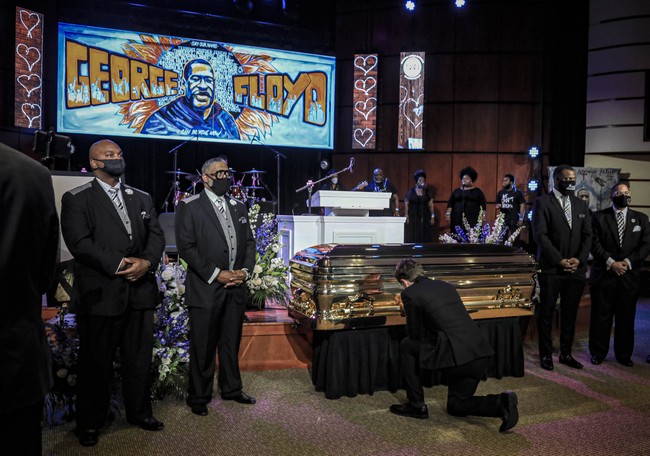
Critics argue that city leaders have gone beyond lawful protest into performative gestures meant to curry favor with a specific voting bloc. Frey has faced criticism for public displays tied to the George Floyd case and for attempts to signal cultural solidarity with Somali residents. Those moves matter politically, but they also influence how law enforcement and federal agencies interact on the ground.
At a recent press conference, Frey’s tone shifted from political signaling to a statement that sounded like a dire warning. He said,
I am increasingly concerned because of the chaos that is being caused by these ICE agents that somebody is going to get seriously injured or killed. Somebody is going to get seriously injured or killed.
Repeating the line added weight and raised questions about whom he was referring to when he said, “somebody.” Was he talking about community members, ICE officers, or protesters? The ambiguity matters because, in a climate where tensions are high, public leaders should be precise and avoid language that could be read as a threat or as incitement.
Frey elaborated on the volatility he sees, addressing both federal officers and community members in the same breath. He warned that the situation could “explode” and emphasized the risk to anyone who shows up to “protect their neighbors.” That framing paints federal enforcement as a provocation and suggests local officials are primarily concerned with preventing confrontations at all costs.
And whether that is an ICE agent or a community member, we all know the tinder box that could explode because of it. We all know that the federal government is looking for reasons to deploy more and more people to Minneapolis and blue cities around the country. We all know that we cannot afford to lose a single Minneapolis resident because they showed up and decided to protect their neighbors. Because they showed up and decided to express their constitutional right to free speech.
That kind of rhetoric feeds both narratives: federal officials see obstruction and hostility to law enforcement, while local activists see defense of vulnerable communities. Republicans will argue that protecting the public should not be sacrificed to political theater, and that removing violent offenders is a necessary part of keeping neighborhoods safe. The question now is whether local leadership will stick to clear, lawful guidance or keep escalating symbolic opposition to federal action.
There are visible protests and strong emotions in Minneapolis, and the next moves by city officials, state leaders, and federal agencies will shape what happens next. Observers should watch for how law enforcement coordinates, how political leaders communicate, and whether any actions increase the risk of violent confrontation. As tensions remain high, responsible leadership should aim to reduce risk, not amplify it.
Below are the original clips and statements referenced above for context and verification.
The following video highlights a public moment where Frey knelt and spoke, attempting to connect with grief and community sentiment in a deeply symbolic way.
And here is the press conference segment where Frey warned that the situation could result in serious injury or death if confrontations escalate.

Add comment