
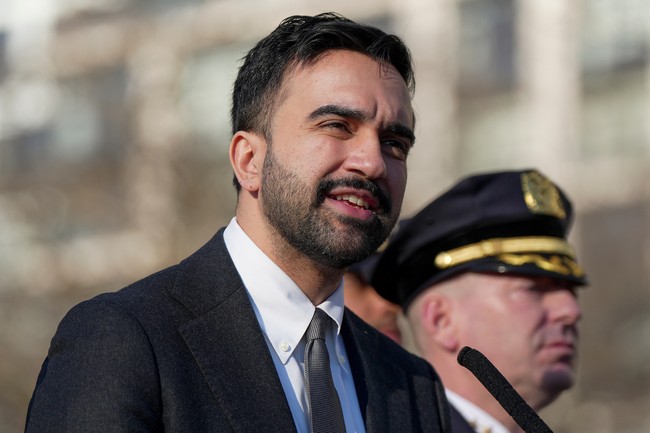
This piece examines the backlash against New York City Mayor Zohran Mamdani after his explanation for rising rape statistics, arguing his comments downplayed victims and blamed changes in law and reporting rather than addressing violence, and it captures reactions from elected officials, advocates, and commentators.
Zohran Mamdani, the Democratic Socialist mayor of New York City, has become the center of a firestorm after comments about an uptick in reported rapes. He attributed much of the increase to an expanded legal definition and to survivors coming forward about past incidents, a framing that critics say sounds like deflection. That explanation touched off swift outrage from across the political spectrum, including voices within his own party.
The law Mamdani referenced, commonly called “Rape Is Rape,” broadened what the statute counts as rape, and that change naturally alters statistics. Expanding definitions can create apparent spikes in numbers because acts previously outside the legal definition are now included. Still, critics say citing statutory change without acknowledging current on-the-ground violence feels tone-deaf to survivors and communities experiencing harm.
During a TV interview, Mamdani sought to give context by noting two drivers of the numbers: the revised law and delayed reporting. He said the changes were important and that survivors coming forward is a sign of bravery. But his delivery and lack of expressed urgency about prevention and enforcement left many unconvinced and angry.
During an interview with PIX11 News, reporter Dan Mannarino asked Mamdani about New York City Council Speaker Julie Menin’s concerns over rape and felony assault numbers within the city…
“And what I think is important to know is a lot of the increase in rape also comes from an expanded definition of what counts as rape, as well as survivors coming forward for acts that took place years prior,” Mamdani said. “And we are thankful for them coming forward, the courage and the bravery it takes, but just to provide New Yorkers with that context.”
Mamdani’s comments on the “expanded definition of what counts as rape” surprised some of his critics. While Mamdani’s defenders online said he was merely providing context and wasn’t downplaying the seriousness of the crime, others called out what they viewed as his dismissal of the upswing.
That block of quoted material went viral and fueled criticism. New York City Council member Susan Zhuang, a Democrat, publicly rejected any attempt to use legal technicalities as an excuse for failing to reduce sexual violence. Her response emphasized survivors’ need for leadership, action, and accountability rather than rhetorical context that comes across as minimizing.
Expanding the legal definition of rape was an important step toward recognizing more survivors under the law.
https://x.com/ACTBrigitte/status/2077027793305559472
But it should never be used to deflect from the responsibility to reduce sexual violence. Survivors deserve leadership, action, accountability, and justice. They don’t deserve deflection.
Conservative commentators and advocates piled on, calling Mamdani callous and out of touch. Former college athlete and women’s advocate Riley Gaines publicly criticized the mayor for appearing to prioritize technical explanations over concrete steps to protect vulnerable people. Online pundits were swift and scathing, noting the broader pattern of progressive leaders who talk statistics while citizens describe daily insecurity.
Readers and viewers cited experiences and local conditions that contradict cheerleading crime claims from some city officials. Observers point to visible disorder, increases in certain violent offenses, and the sense that official numbers can mask real trends when categories or reporting practices change. That gulf between what officials report and what residents see fuels distrust and sharp political debate.
Republican-leaning voices framed Mamdani’s comments as emblematic of a wider problem: leadership that opts for theory over results. They argue that when public officials rely on legal nuance to explain away worrying trends, it signals misplaced priorities and weak accountability. For critics on the right, the focus should be on prevention, enforcement, and clear support for survivors.
The controversy also reopened a larger conversation about crime reporting, legal reform, and how to measure progress. Expanding definitions to recognize more victims is a policy achievement many applaud, but it must be paired with serious efforts to reduce violence and improve public safety. Otherwise, changes in how we count crimes will feel like cosmetic fixes to communities that still face danger.
Mamdani’s remarks and the backlash that followed underscore a volatile mix of law, politics, and public perception. New Yorkers and elected officials are demanding concrete steps rather than explanations that sound like excuses. The reaction shows how sensitive crime policy is and how quickly leaders can lose public trust when victims and residents feel sidelined.
As the debate continues, one thing is clear: statistical context alone won’t satisfy people who want safer streets and justice for survivors. Officials who care about results need to show more than words; they must show plans, actions, and accountability that match the seriousness of the crimes involved.



Add comment