
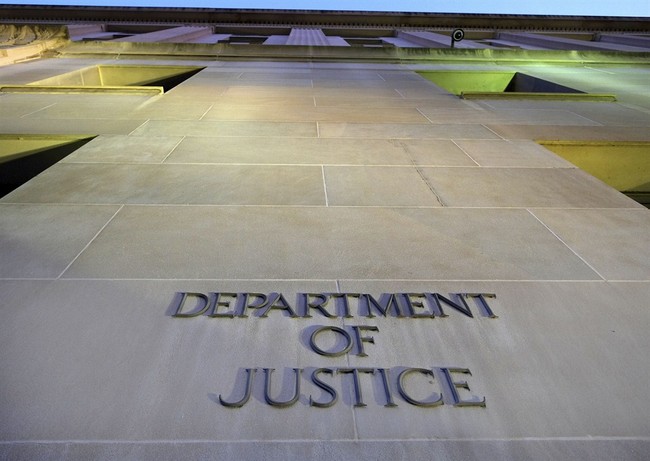
The Department of Justice has launched a sweeping denaturalization campaign, filing a record number of civil complaints to strip citizenship from naturalized individuals accused of serious crimes or fraud; this piece explains what the administration is doing, the kinds of offenses cited, the officials’ statements, and what happens to someone after citizenship is revoked.
The Biden years left many Americans frustrated with porous borders and a feeling that bad actors could exploit our immigration system, and the current DOJ is answering that frustration with aggressive legal action. The effort is not about mass deportation of lawful residents but about restoring integrity to naturalization by targeting fraud, concealment, and violent crimes. The move aims to send a clear message: obtaining U.S. citizenship requires honesty and lawful conduct throughout the process.
According to DOJ filings, 25 denaturalization complaints were filed in a recent burst since July 20, and officials say those cases represent the largest coordinated effort the department has ever mounted. The targets are described as individuals who allegedly concealed disqualifying conduct, including violent offenses and sexual crimes, when they applied for citizenship. Prosecutors are framing denaturalization as both a legal remedy and a deterrent to those who would seek to game the system.
The Justice Department singled out offenses like attempted first-degree murder, assault with a deadly weapon with intent to kill, assault and battery of a high and aggravated nature, and aggravated sexual assault of a child as examples of conduct incompatible with U.S. citizenship. That list underscores the seriousness of the cases being pursued and explains why prosecutors invoked denaturalization rather than relying solely on criminal sentences. Removing citizenship, they argue, preserves the value of naturalization and protects the public.
Acting Attorney General Todd Blanche summed up the department’s position bluntly: “U.S. citizenship is one of our nation’s highest privileges, and it must be obtained lawfully and honestly.” He went on to say the Justice Department will use every available tool to protect naturalization integrity and public safety, language that signals a sustained and resource-backed campaign. That tone reflects a policy priority for the administration and a legal strategy centered on civil complaints in addition to criminal enforcement.
🚨25 complaints filed since July 20, 2026, mark LARGEST denaturalization effort ever
https://x.com/TheJusticeDept/status/2084395627564110236
“U.S. citizenship is one of our nation’s highest privileges, and it must be obtained lawfully and honestly,” said Acting Attorney General @DAGToddBlanche. “The complaints announced today allege that these individuals secured naturalization through fraud, concealment, or other unlawful conduct— including by concealing violent crimes, sexual offenses against children, fraudulent identities, and other disqualifying facts. Today’s filings represent the largest coordinated denaturalization effort in Department history, but they are only the beginning. The Justice Department will continue to use every tool available to protect the integrity of the naturalization process and the safety of the American people.”
Assistant Attorney General Brett Shumate called the campaign a surge and said it “marks the largest denaturalization surge in recorded history” while stressing speed in pursuing these cases. The department also reported broader statistics: since January 20, 2025, a record number of civil denaturalization complaints have been filed, indicating this is an ongoing initiative rather than a one-off announcement. That pattern suggests the administration plans to prioritize denaturalization as a permanent enforcement mechanism.
Denaturalization is a civil process that restores someone to noncitizen status if courts find naturalization was unlawfully procured, and it often follows allegations of fraud or concealed disqualifying conduct. Losing citizenship does not automatically mean immediate removal, but it exposes the individual to immigration proceedings and potential deportation. Courts play a central role, and these cases require robust evidence to prove the alleged fraud or concealment occurred at the time of naturalization.
For conservatives who pushed for stronger immigration enforcement, the DOJ effort represents a tangible corrective measure that targets those who allegedly lied to become citizens or who committed egregious crimes before naturalizing. The approach blends civil remedies with immigration consequences, aiming to both punish fraud and shrink pathways for bad actors. Whether the strategy will prove durable will depend on courtroom victories and sustained political will to back prosecutions over time.
Today marks the largest denaturalization surge in recorded history. Every one of these individuals committed crimes incompatible with U.S. citizenship. We are moving at record speed to denaturalize those who sought to deceive the federal government and abuse the naturalization process.
As these cases proceed, policymakers and the public will watch for how courts handle evidentiary questions and whether denaturalization becomes a standard enforcement tool. The immediate result is already clear: the DOJ has signaled it will aggressively pursue denaturalization where it sees fraud or dangerous conduct. That signal alone changes the political and legal landscape around naturalization and accountability.

Add comment